


 For all latest news, follow the Daily Sun's Google News channel.


Abartan hosts Nabanna Utsab to revive Bengal’s folk heritage
Daily Sun Report, Dhaka
Published: 18 Nov 2026, 12:00 AM
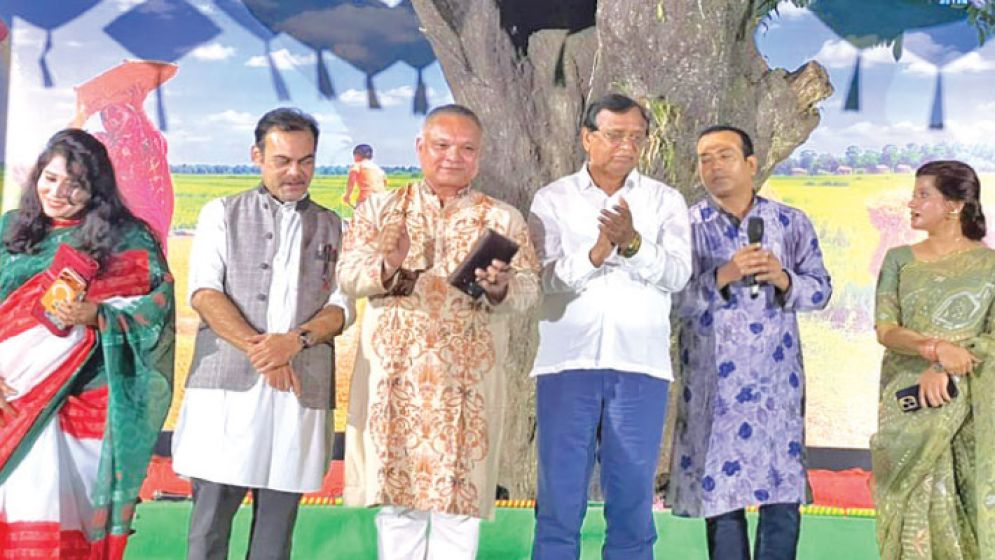
The newly formed cultural organisation Abartan has pledged to preserve Bangladesh’s cultural identity and revive traditional folk heritage by encouraging younger generations to practise folk music, theatre and rural arts.
As part of its initiative, Abartan organised a Nabanna Utsab at Bakultala on the Faculty of Fine Arts premises at the University of Dhaka on Monday evening. The festival attracted thousands of people, including men, women, children and youths, turning the historic venue into a vibrant celebration of Bengali folk culture.
State Minister for Cultural Affairs Ali Nawaz Mahmud Khaiyam, Dr SM Ziauddin Hyder, PM’s special assistant on health affairs and chief adviser to Abartan, Dhaka South City Corporation Administrator Md. Abdus Salam, singer Nancy and Jatiyatabadi Chhatra Dal President and Chief Coordinator Rakibul Islam attended the event, among others.
Celebrated on the first day of Agrahayan in the Bengali calendar, Nabanna is one of Bengal’s oldest harvest festivals. Traditionally, the occasion marks the arrival of new rice and is celebrated with homemade delicacies such as pitha and payesh, alongside folk music, palagan and jatra performances.
However, urbanisation and changing lifestyles have gradually distanced younger generations from these traditions. Abarton aims to bridge this gap by promoting Lalon-geeti, jari, sari, bhawaiya, polli-geeti, baul music and folk theatre.
The organisation plans to train young performers, document the contributions of veteran folk artistes and arrange workshops, cultural programmes and theatre festivals across the country. It also intends to expand its activities through traditional celebrations such as Nabanna and Pohela Boishakh.
According to chief adviser Dr SM Ziauddin Hyder, folk culture represents Bangladesh’s history, agrarian traditions, struggles and national identity, rather than merely serving as entertainment.
The organisers hope the initiative, which began at Bakultala, will gradually reach districts and divisional cities nationwide.