



 For all latest news, follow the Daily Sun's Google News channel.


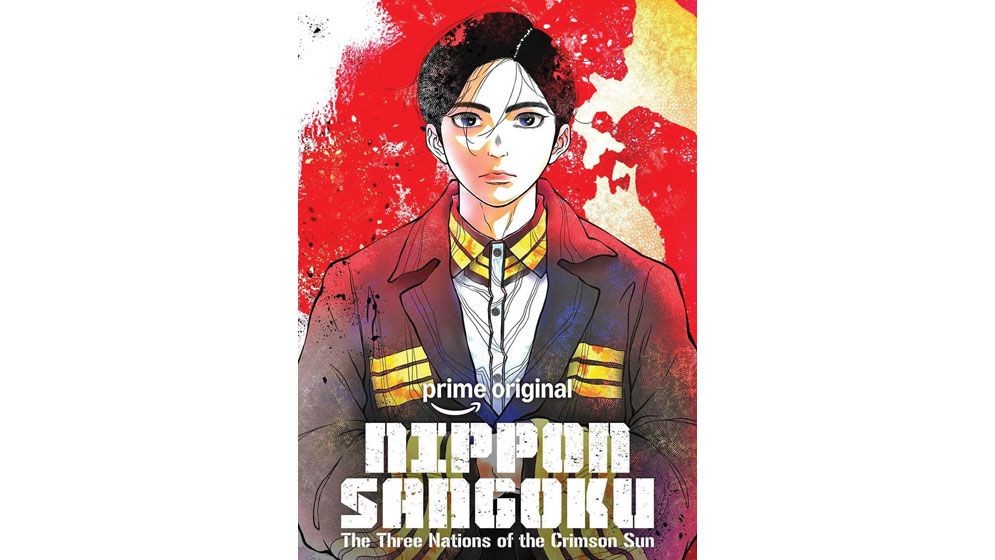
“The journey of a thousand miles begins with a single step”—Laozi. Yet, it is often the youngest generation that is expected to rebuild what it never dismantled. Nippon Sangoku explores this paradox through a story that is less about survival than inheritance, questioning whether those entrusted with shaping the future are ever given the freedom to shape the present.
At the centre of the story is 18-year-old Aoteru Misumi, an unconventional protagonist whose greatest weapon is not physical strength but his strategic mind. However, the series does not portray intelligence as the sole force capable of changing the world. Yoshitsune Asama represents another dimension of leadership, confronting the same challenges through extraordinary courage and swordsmanship.
One of the story’s most defining moments emerges through Saki Higashimachi, Aoteru’s wife. Her tragic death becomes a turning point in his journey. Rather than surrendering to grief, he transforms his personal loss into decisive action, bringing the corrupt official responsible to justice.
The series also challenges the tendency to underestimate young people or romanticise their abilities. This complexity is reflected in Tonosugu Taira, commander of the Fukui forces. His arrogance and refusal to heed veteran commander Go Sugo’s strategic advice turn a personal failure of judgement into a tragedy for countless soldiers.
The older generation, meanwhile, offers a different understanding of leadership. General of the Borderland Army Mitsuhide Ryumon and Border District General’s Unit Strategist Yasuaki Kaku demonstrate the importance of mentorship. Their approach reflects an essential political principle: great leaders create other leaders, not followers.
This philosophy is equally evident in Seii Team Leader Ōga Wajima, one of the series’ most compelling female characters. She demonstrates that leadership rests on intelligence, tactical expertise and an unwavering commitment to her father’s legacy.
In contrast, Yamato’s Minister of Home Affairs, Denki Taira, represents the dangers of centralised power. Rather than empowering capable individuals, he seeks to consolidate authority. His politics reveal how governments that prioritise power over national welfare can become instruments of oppression.
Ultimately, Nippon Sangoku asks whether youth alone can determine a nation’s future. Its answer is nuanced: nations are remembered not simply for how they wage wars, but for whom they trust to rebuild afterward. Young shoulders may inherit broken systems, but rebuilding requires intergenerational wisdom, responsible mentorship and the courage to relinquish power. A nation’s renewal begins when one generation learns to trust the next, and the next accepts the responsibility of carrying its future forward.
________________________________________
The writer is an undergraduate student in the Department of English at Southeast University.