


 For all latest news, follow the Daily Sun's Google News channel.


Sukanta Bhattacharya’s 101st birth anniv today
Daily Sun Report, Dhaka
Published: 15 Aug 2026, 12:00 AM
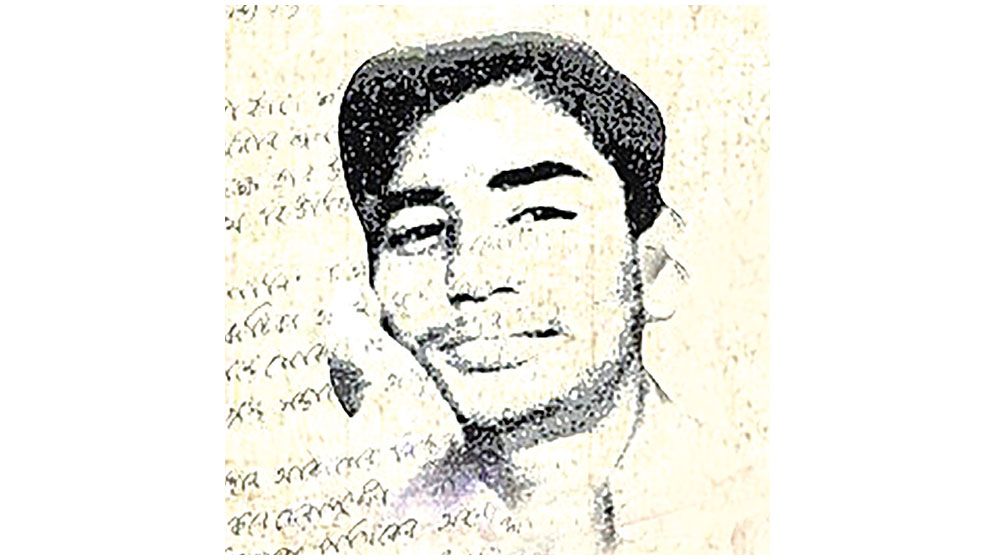
Revolutionary poet Sukanta Bhattacharya, whose poetry continues to resonate for its powerful expression of humanism, patriotism and social consciousness, is being remembered today on his 101st birth anniversary.
Born on 15 August 1925, in Kalighat, Kolkata, Sukanta lived for only 21 years but left an enduring mark on Bangla literature. His works, rooted in socialist ideals and a deep concern for ordinary people, continue to remain popular among generations of poetry lovers.
To mark the occasion, Bibartan Sangskritik Kendra has organised a commemorative programme at the Music and Dance Auditorium of Bangladesh Shilpakala Academy in the capital this evening.
At 6:00pm today, the programme titled “Sukanta Jonmo Shotoborshe Shroddhanjali” will feature a discussion on the poet’s life, philosophy and literary contributions, followed by poetry recitations, musical adaptations of his poems and dance performances by Bibartan artists. The event will be presided over by ASM Kamal Uddin, president of the organisation, while its general secretary Mofizur Rahman Laltu will present a written speech on the poet.
Sukanta was the second of seven sons of Nibaran Chandra Bhattacharya and Suniti Devi. His family originally hailed from Kotalipara in Faridpur, present-day Bangladesh. He joined the Communist Party of India in 1944 and was a close friend of fellow poet Subhas Mukhopadhyay.
His poetry is distinguished by socialist thought, patriotism, humanism and romanticism. Although his poems did not receive widespread circulation during his lifetime, his reputation grew significantly after his death, eventually establishing him as one of the most influential Bengali poets of the 20th century.
His notable works include Chharpatra, Ghum Nei, Purbabhas, Abhijan, Mithe-Kadha and Giti Guccha. Poems such as “Atharo Bocchor Boyosh”, “Agami”, “Chharpatra”, “Ghum Bhangar Gaan” and “Krishoker Gaan” remain classics of Bangla literature.
Sukanta died of tuberculosis at Jadavpur T.B. Hospital in 1947, leaving behind a remarkably enduring literary legacy despite his short life.