


 For all latest news, follow the Daily Sun's Google News channel.


Fashion & Lifestyle
Eid in Bangladesh
Shopping Surge, Special Offers and the Festival Economy

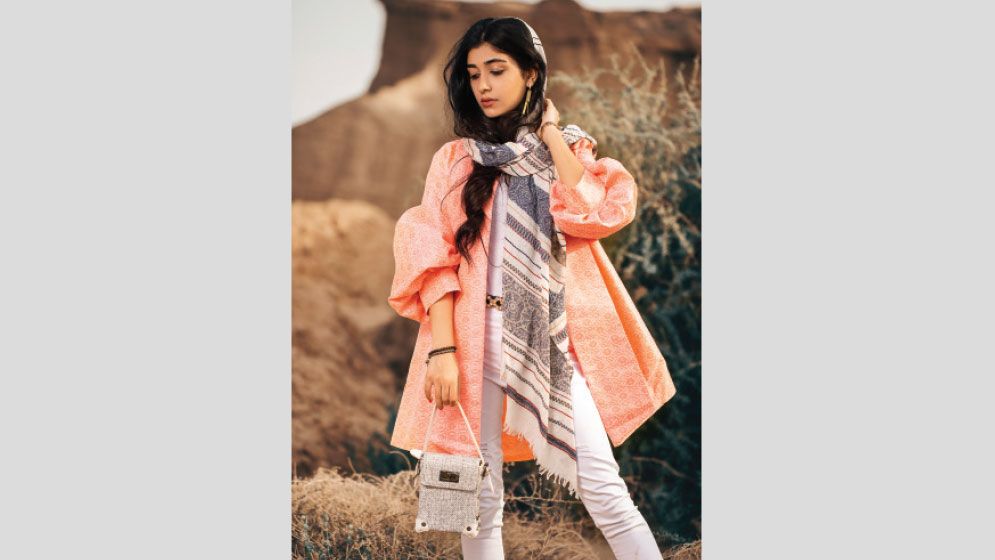
Eid in Bangladesh has evolved into the country’s most dynamic consumer season. Beyond its religious significance, Eid-ul-Fitr now anchors the largest annual surge in retail spending, liquidity movement and commercial activity. In a nation of 175 million people -- and the world’s fourth-largest Muslim-majority country, where Muslims comprise over 91% of the population -- the festival functions as both a cultural milestone and an economic accelerator.
From crescent moon sightings to aggressive discount campaigns, from Zakat disbursement to digital flash sales, the season reveals how faith-driven celebration increasingly intersects with structured commerce.

Markets in Motion
The retail build-up begins weeks before the moon is sighted. Major shopping destinations such as Bashundhara City Shopping Mall and Jamuna Future Park witness escalating footfall, while traditional hubs like New Market and Gausia Market remain densely packed with families purchasing sarees, salwar kameez, panjabis and children’s attire.
Chand Raat marks the peak of activity. Retail outlets extend operating hours, streets remain vibrant late into the night, and last-minute buyers crowd stores. Henna artists line pavements, and children anticipate both new outfits and Salami from elders.
The marketplace has become distinctly hybrid. Physical stores now compete directly with Facebook-based boutiques, Instagram storefronts and TikTok live sellers offering limited-time promotions. The result is a digitally amplified, price-sensitive and highly competitive retail environment.
Echoes of the Mughals
Eid in Dhaka has always been grand. Eighteenth-century records describe celebrations under Nawab Shuja-ud-Din, featuring cannon fire, fireworks and royal feasts. By the 1840s, the entire month of Ramadan was noted for its festive ambience, culminating in elaborate Eid gatherings.
In the late 1980s, Eid festivities prominently featured music and cultural performances. Over time, the festival evolved into a multidimensional platform encompassing economic activity, media programming, corporate branding and political symbolism. What began as communal prayer and shared meals has expanded into a nationwide socio-economic cycle.

Economic Multiplier
Eid-ul-Fitr triggers one of the most significant seasonal economic surges in Bangladesh. Estimates from the Bangladesh Shop Owners Association suggest that retail transactions ahead of Eid reach approximately Tk 1.70 lakh crore, with clothing alone contributing around Tk 37,400 crore. Consumer spending extends well beyond apparel, encompassing footwear, cosmetics, jewellery, electronics and essential groceries.
Footwear brands such as Bata and Apex record peak seasonal demand during this period. Electronics retailers similarly report sharp increases in sales of smartphones, refrigerators and air conditioners, particularly when Eid coincides with the summer season.
The transport sector experiences extraordinary pressure. An estimated 40 to 50 million passengers travel nationwide in the run-up to the festival, making it the busiest travel window of the year. Highways, rail networks and inland waterways operate at full capacity as millions of urban workers return to their hometowns.
Remittance inflows typically surge before Eid, injecting additional liquidity into both urban and rural economies. Commercial banks handle heightened transaction volumes during this period. Data from Bangladesh Bank indicate that banks and non-bank financial institutions borrowed more than Tk 1 lakh crore from the call money market last season to manage temporary liquidity shortfalls. The central bank subsequently provided liquidity support to maintain financial stability.
In aggregate, Eid transcends its religious character to assume the dimensions of a macroeconomic event, influencing consumption patterns, cash flow dynamics and short-term growth momentum across multiple sectors.

Charity and Redistribution
Alongside commercial expansion, Fitr and Zakat distribution channels substantial funds to lower-income households. Hundreds of crores of taka circulate through formal and informal networks, ensuring broader participation in the celebration. This dual movement of consumption and redistribution reinforces Eid’s distinctive moral economy.
Promotional Push and Compressed Demand
To capture peak-season spending, retailers have adopted structured promotional strategies:
Flat discounts ranging from 20% to 50%
Buy-one-get-one offers on apparel and footwear
Bank card and mobile wallet cashback campaigns
Zero-interest instalment facilities on electronics
Targeted Chand Raat flash sales
This produces a concentrated consumption window, with the final ten days of Ramadan accounting for a disproportionate share of total sales.
Spending Amid Economic Headwinds
The 2026 season unfolds against persistent economic challenges. While inflation has moderated from earlier peaks, prices of essentials such as rice, lentils, edible oil, vegetables, poultry and fish remain elevated. Wage growth has struggled to fully offset accumulated price pressures.
Data from the Bangladesh Bureau of Statistics show GDP growth slowed to 3.49% in FY25, with reduced momentum in agriculture and services. The investment-to-GDP ratio declined to 28.54%, raising concerns about sustained job creation as millions enter the labour market annually.
Within this context, Eid discounts function not merely as marketing tools but as affordability mechanisms. Retailers increasingly calibrate pricing strategies to align with constrained household budgets.
The writer can be reached at: [email protected]