


 For all latest news, follow the Daily Sun's Google News channel.


The Great Wall of China: My Epic Journey Through 2,000 Years of History
From bustling Badaling to the tranquil heights of Jinshanling, every section of tells a different story

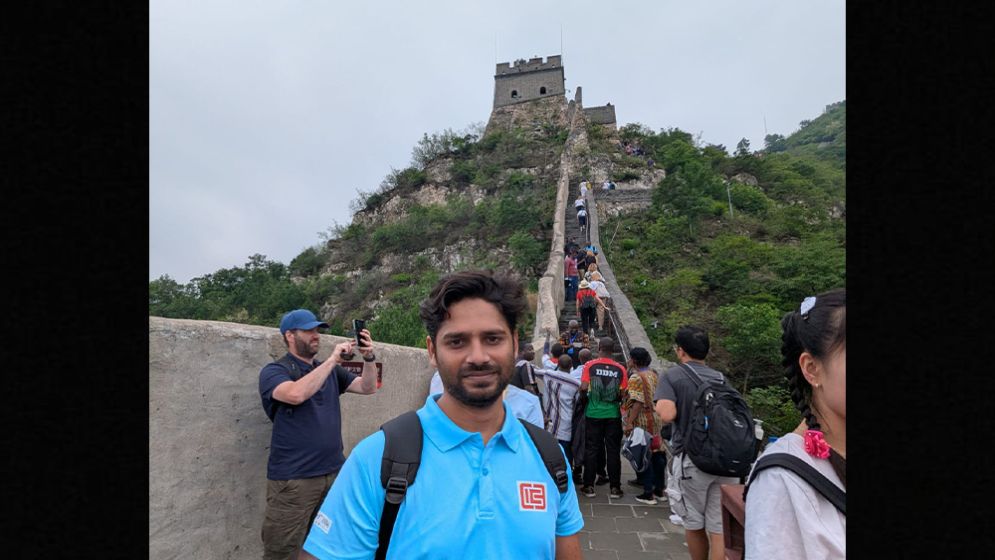
The Great Wall of China. Photo : Md Shahadat Hossain
Few landmarks on Earth evoke as much wonder as the Great Wall of China. Stretching more than 13,000 miles (21,196 kilometres) across northern China, the massive fortification is far more than a tourist attraction—it is a living monument to human determination, engineering brilliance and centuries of Chinese civilisation.
Recognised as a UNESCO World Heritage Site, the Great Wall of China has stood the test of time for more than two millennia. While millions of visitors flock to its iconic stone pathways every year, the Wall's greatest attraction lies not only in its breathtaking scale but also in the remarkable history etched into every brick and watchtower.
For anyone travelling to China, a visit to the Great Wall is far more than a sightseeing excursion—it is a journey through more than two millennia of history. I’ve been lucky enough to visit the Great Wall of China on 19 June 2025, and standing atop its ancient ramparts transformed the Great Wall from a famous monument into a powerful reminder of human resilience, vision and architectural brilliance.
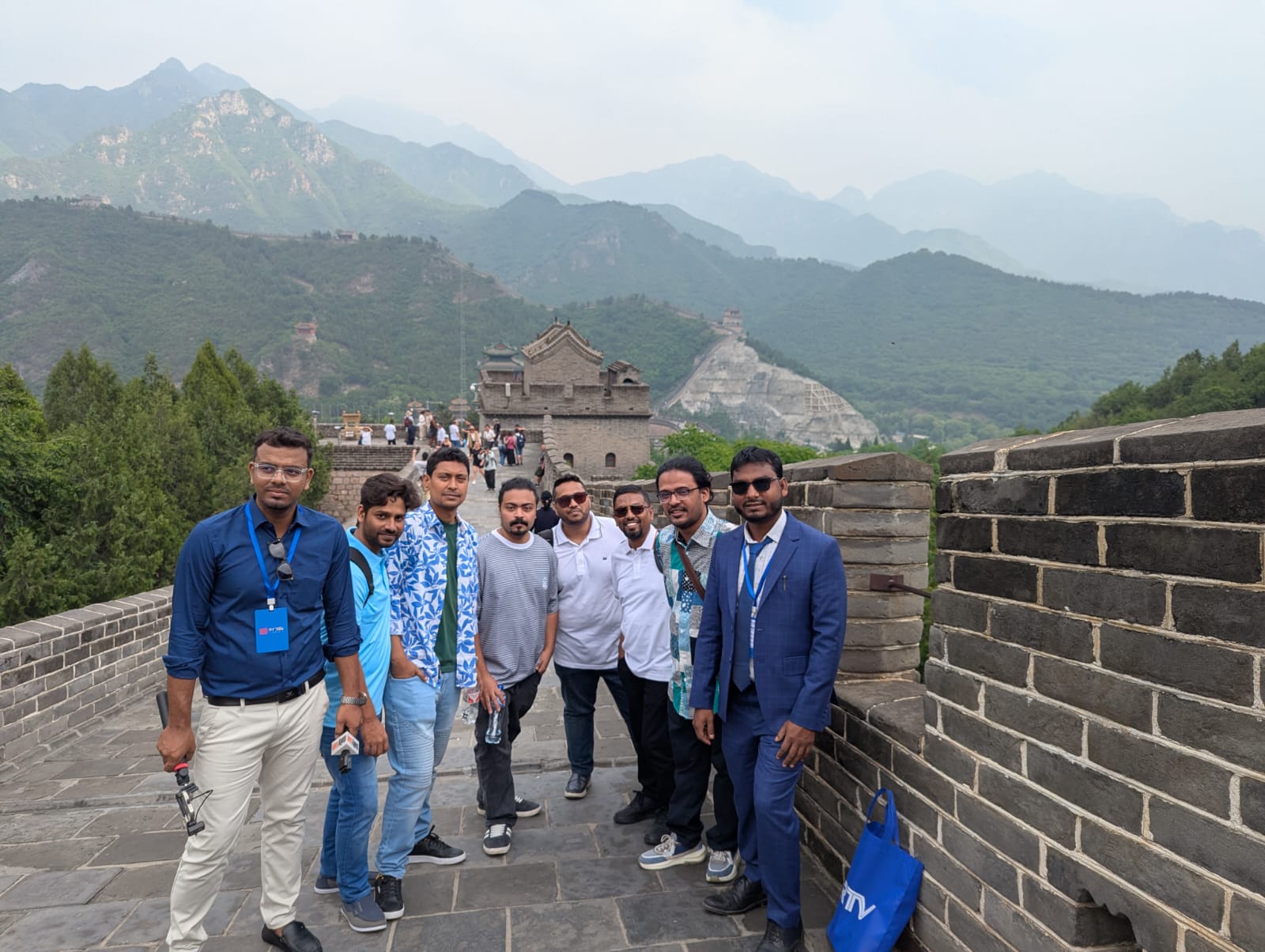
Invited by the Chinese Commerce Ministry to attend the “Seminar on Media in Bangladesh”, I had the privilege of exploring some of China's most celebrated historical landmarks.
A Wall Built Across Dynasties
The story of the Great Wall began long before China became a unified empire. Archaeological evidence suggests that its earliest defensive walls were constructed during the Spring and Autumn Period (770–476 BC), when rival states built fortifications to protect their territories. After Emperor Qin Shi Huang unified China in 221 BC, many of these walls were linked together, creating the foundation of what would later become the Great Wall.
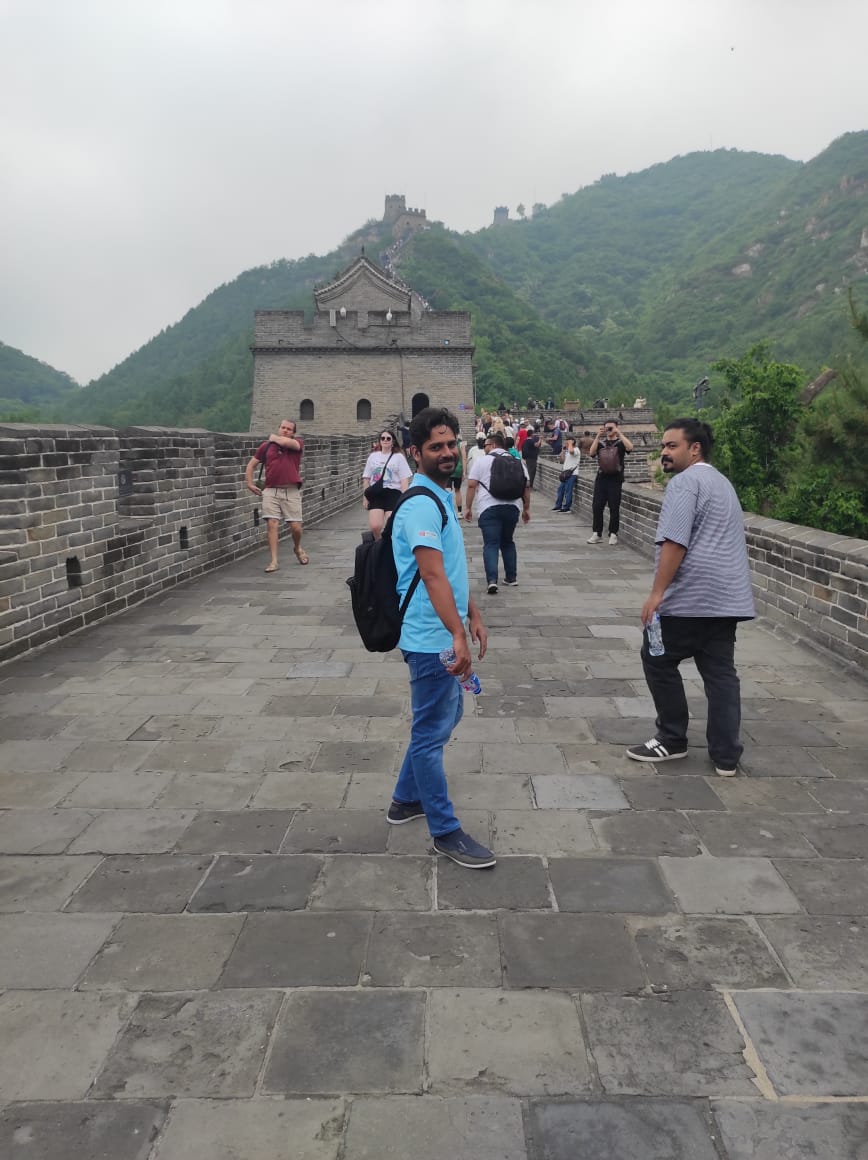
Construction continued intermittently through successive dynasties for nearly 2,000 years, reaching its most impressive form during the Ming Dynasty (1368–1644). Much of the stone wall visible today around Beijing dates from this period, reflecting advanced military engineering designed to defend the empire from northern invasions.
Which Section Of The Great Wall Should You Visit?
The Great Wall of China attracts more than 10 million visitors annually, making it one of the world's most visited historical landmarks. Although commonly thought of as a single structure, the Great Wall consists of numerous sections, each offering a distinct experience.
Badaling: The Classic Experience
I visited Badaling, undoubtedly the most famous and iconic section of the Great Wall of China. Known for its breathtaking scenery and well-preserved architecture, Badaling offers a remarkable glimpse into the grandeur of this ancient fortification. Walking along its imposing stone pathways, surrounded by rolling mountains, was an unforgettable experience that brought the history and magnificence of the Great Wall vividly to life.
Located just over an hour from capital Beijing, it was the first section opened to tourists in 1957 and has welcomed countless world leaders, including Queen Elizabeth II and former US President Barack Obama.
Fully restored and equipped with modern visitor facilities, Badaling offers easy access by both road and public transport, making it the preferred destination for first-time visitors and domestic tourists. However, its popularity comes at a price. During weekends and holidays, the narrow pathways can become extremely crowded.
Mutianyu: Scenic and Family-Friendly
For international travellers, Mutianyu is often the favourite choice. Surrounded by dense forests and rolling mountains, it offers spectacular scenery with considerably fewer crowds than Badaling. Visitors can also enjoy cable cars and an exciting toboggan ride descending from the Wall, making it especially attractive for families. Located about 90 minutes from Beijing, Mutianyu combines convenience with a more relaxed atmosphere.
Huanghuacheng: Where the Wall Meets Water
Among the Wall's many sections, Huanghuacheng stands out for a unique reason—it overlooks a picturesque lake. Following the construction of a dam in 1974, parts of the Wall now disappear dramatically into the water, creating one of China's most photogenic landscapes. Its increasing popularity reflects travellers' growing interest in destinations beyond the traditional tourist trail.
Accessibility
The Great Wall's mountainous terrain naturally presents challenges, but accessibility has improved considerably in recent years. Both Badaling and Mutianyu feature wheelchair-accessible routes, including ramps, cable cars and other visitor facilities. Although only selected portions of the Wall can be explored this way, these improvements have made one of the world's greatest historical monuments accessible to a wider range of travellers.
More Than A Tourist Attraction
Standing atop the Great Wall of China, I quickly realised why it continues to inspire millions of visitors every year. Its winding pathways stretch across distant mountain ridges, while ancient watchtowers rise dramatically above steep valleys. Every stone seems to carry echoes of the soldiers, labourers and emperors whose efforts shaped one of humanity’s greatest engineering achievements. More than a monumental structure, the Great Wall feels like a journey through centuries of history, resilience and human ingenuity.
Whether one chooses the famous pathways of Badaling or the peaceful heights of Jinshanling, the Great Wall offers far more than panoramic views. It provides a rare opportunity to experience thousands of years of Chinese history while witnessing one of the most extraordinary structures ever built.
For travellers visiting China, no itinerary is truly complete without walking at least a small part of this timeless wonder—a monument that continues to connect the country's remarkable past with its vibrant present.
……………………
The writer is a Senior Sub-Editor at Daily Sun. He can be reached at [email protected]