


 For all latest news, follow the Daily Sun's Google News channel.


With Salahuddin Sumon in South Georgia: A Journey to One of the World’s Most Remote Islands
Nilay Kumar Biswas
Published: 09 Mar 2026, 05:21 PM

Photo: Courtesy
One of the most remote places on Earth, South Georgia and the South Sandwich Islands, stands as a breathtaking sanctuary of wildlife, dramatic landscapes, and remarkable history. During my recent expedition to Antarctica, I had the rare opportunity to visit this extraordinary place along with one of Bangladesh’s most followed travel YouTubers, Salahuddin Sumon.
Our journey to South Georgia was part of a polar expedition organised by the renowned Dutch company Oceanwide Expeditions, widely known for operating expedition cruises to Antarctica and the Arctic. We travelled aboard a modern expedition ship carrying 160 passengers from 21 countries. Among them, we were the only two participants from Bangladesh.
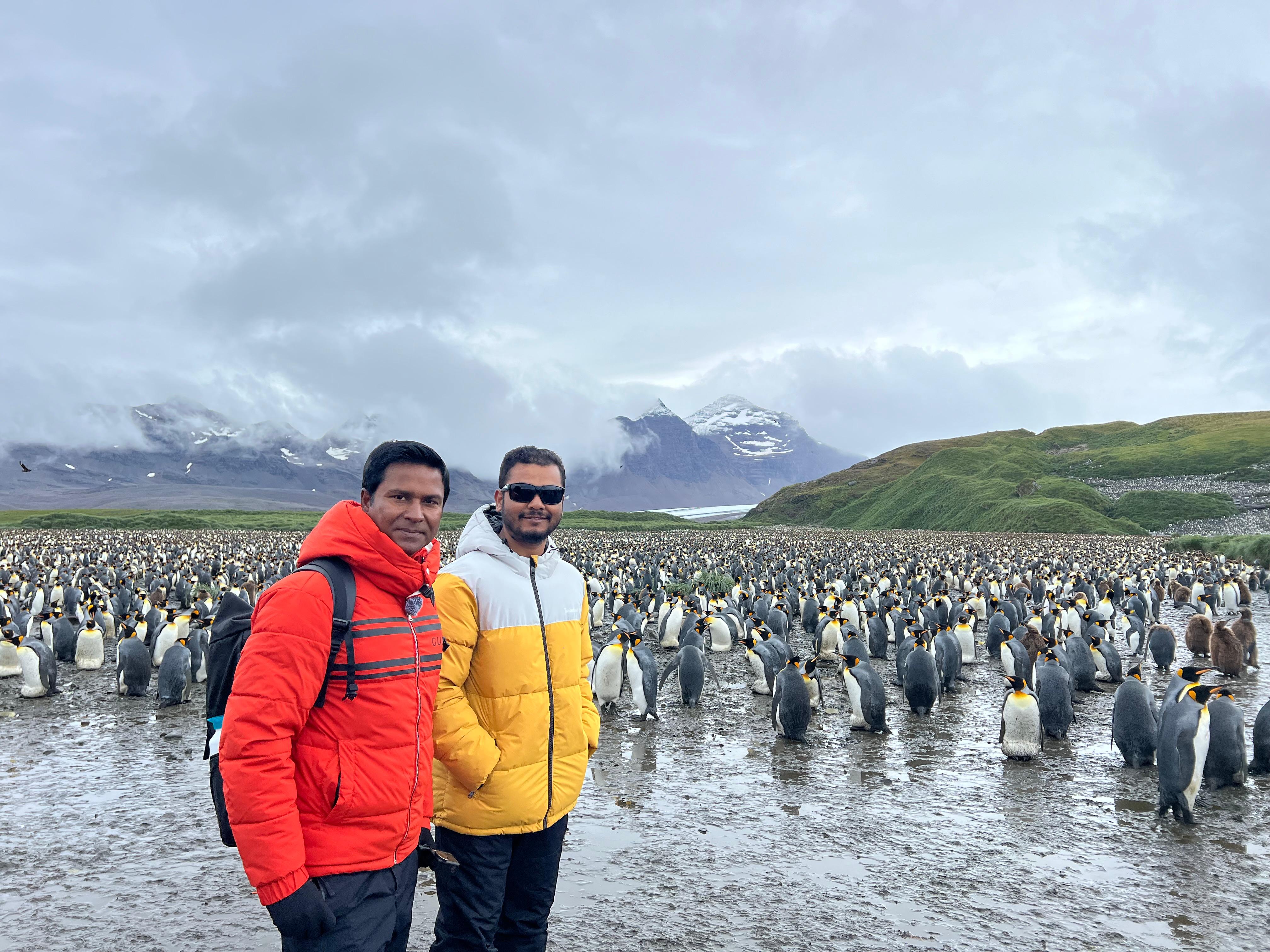
Located in the South Atlantic Ocean, about 1,400 kilometres east of the Falkland Islands and north of Antarctica, South Georgia is often described as one of the most wildlife-rich islands on the planet. Towering snow-covered mountains rise dramatically above glaciers that flow into icy seas, while the coastline hosts immense concentrations of animals.
Land of Penguins and Seals
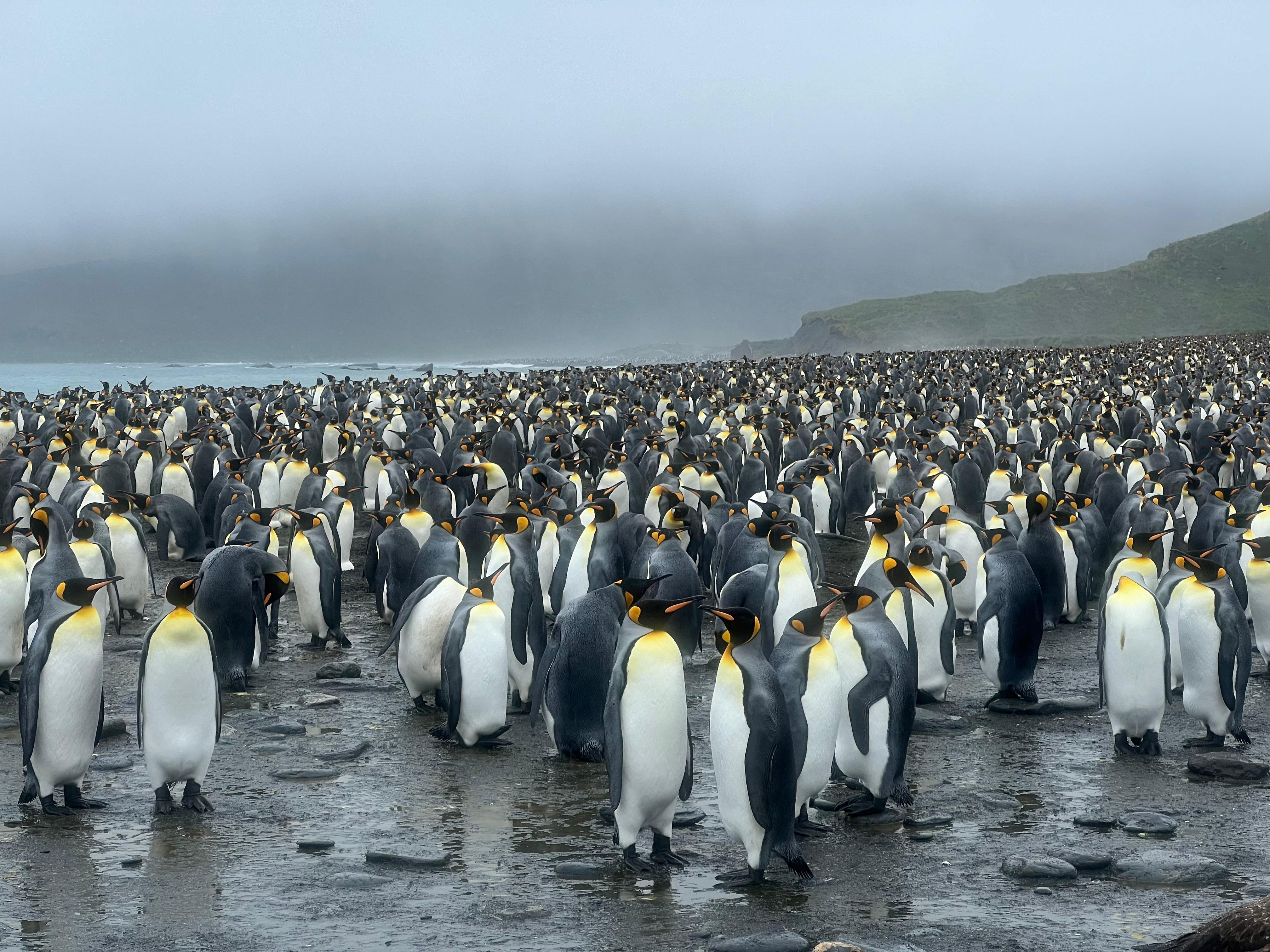
Our expedition took us to some of the island’s most famous wildlife sites, including Salisbury Plain, St Andrews Bay, and Gold Harbour. What we witnessed there was simply beyond imagination.
Thousands upon thousands of penguins covered the beaches and valleys. Huge colonies of king penguins stretched across the landscape as far as the eye could see, creating a living carpet of black, white, and golden colours.
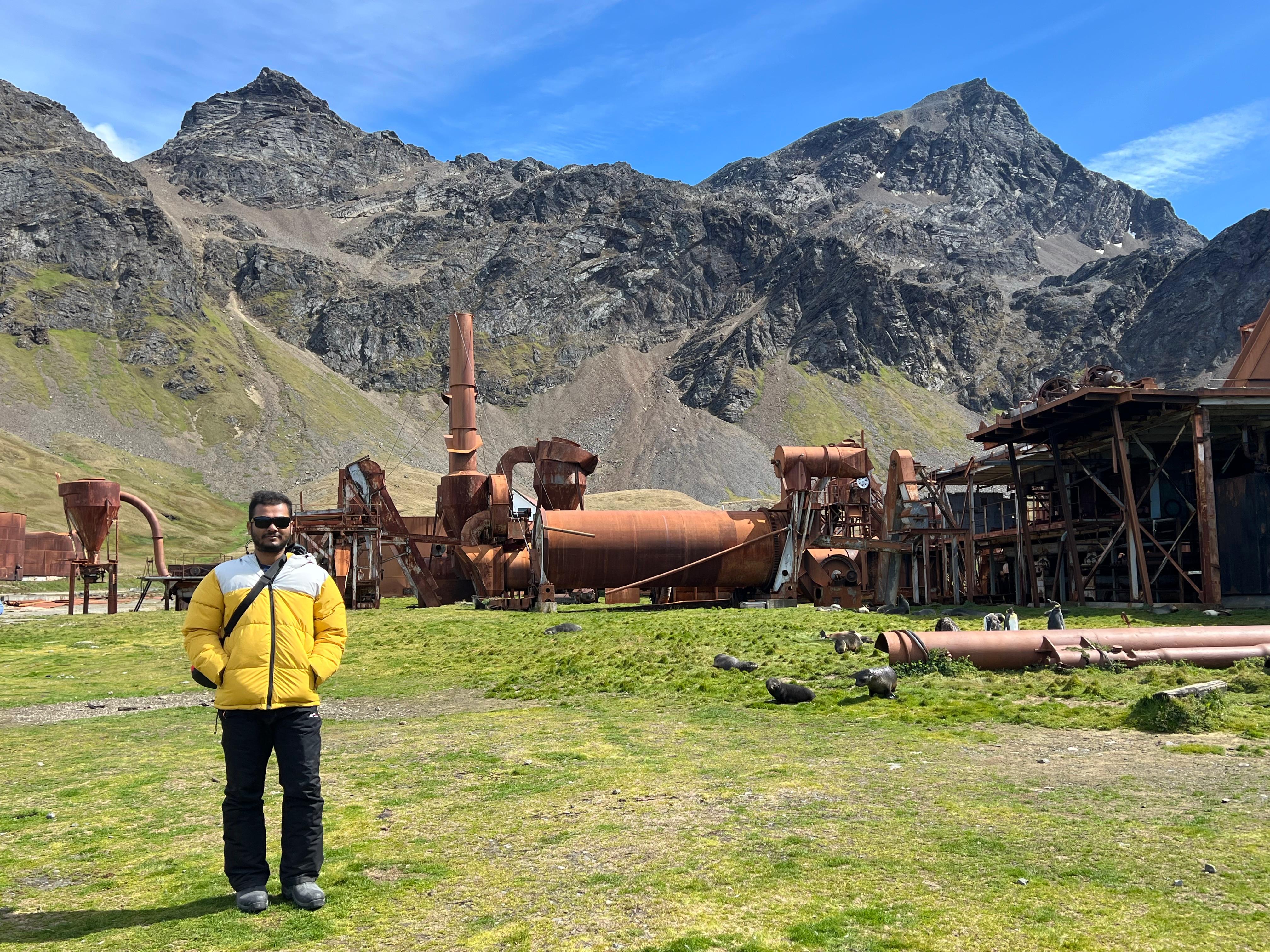
Equally astonishing were the seals. South Georgia hosts millions of Antarctic fur seals and large populations of southern elephant seals. In some places, the beaches were so densely populated with seals that it was difficult to walk without carefully navigating through them.
Numerous seabirds also circled above the island’s rugged coastline, making South Georgia one of the most vibrant wildlife ecosystems in the Southern Ocean.
Discovery and British Territory
The island was first sighted in 1675 by English merchant Anthony de la Roché. Later, in 1775, British explorer James Cook landed on the island during his voyage in the Southern Ocean and claimed it for Britain in the name of King George III.
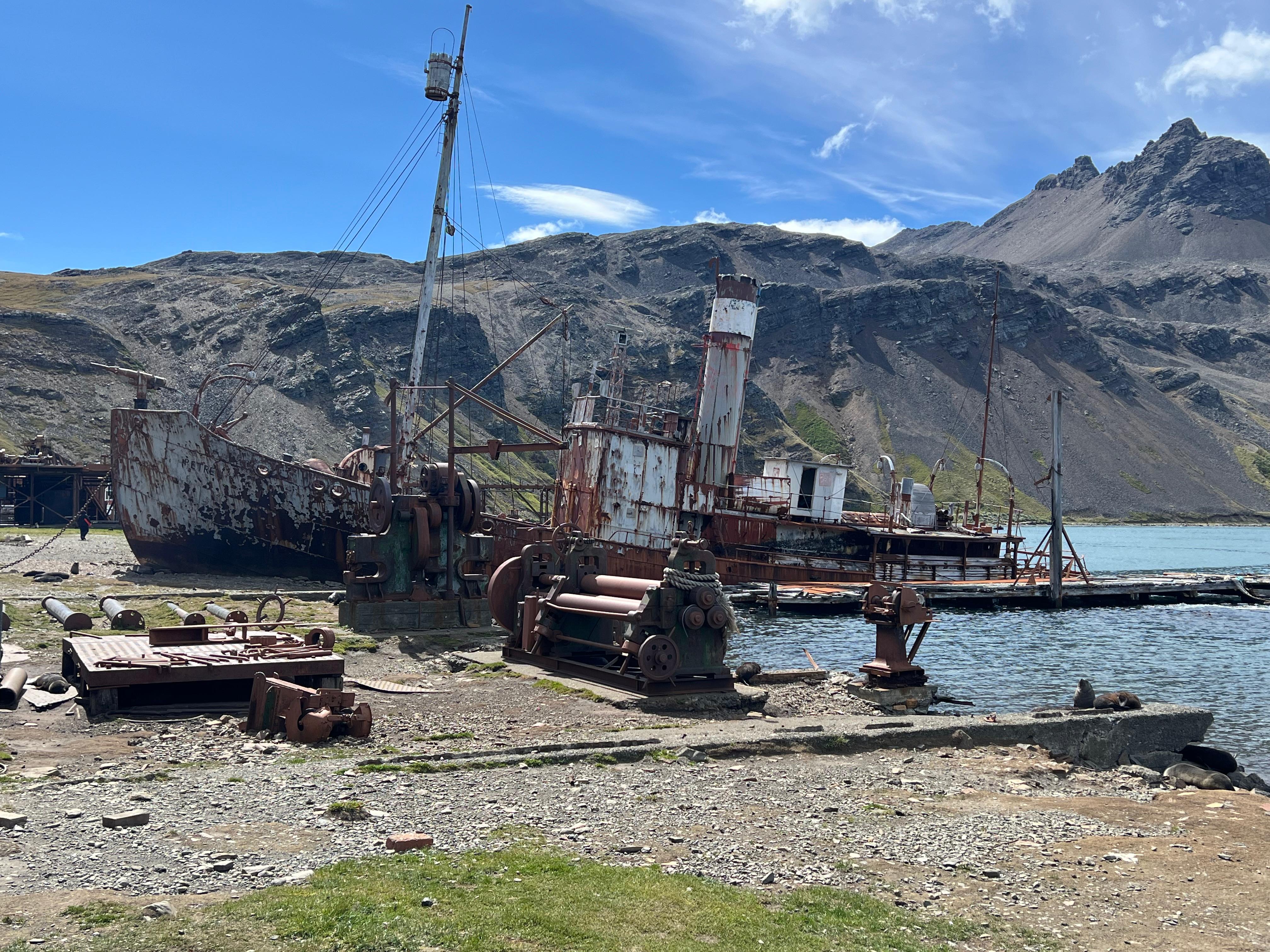
Today, South Georgia forms part of the British Overseas Territory of South Georgia and the South Sandwich Islands. Despite its remote location, it holds significant geographical importance because of its strategic position in the Southern Ocean and its rich marine biodiversity.
Paying Tribute to Shackleton
One of the most memorable moments of our visit was travelling to the historic settlement of Grytviken. This former whaling station is also the final resting place of the legendary Antarctic explorer Ernest Shackleton.
Standing beside Shackleton’s grave, we paid tribute to the explorer whose extraordinary survival journey across South Georgia in 1916 remains one of the greatest stories of courage and endurance in the history of exploration.
The Era of Whaling
South Georgia was once one of the world’s most important centres of the whaling industry. Beginning in the early 20th century, Norwegian and British companies established several whaling stations along the island’s coast.
Thousands of whales, including blue whales, fin whales, and humpback whales, were hunted and processed every year. The settlement of Grytviken became one of the busiest whaling stations in the Southern Hemisphere.
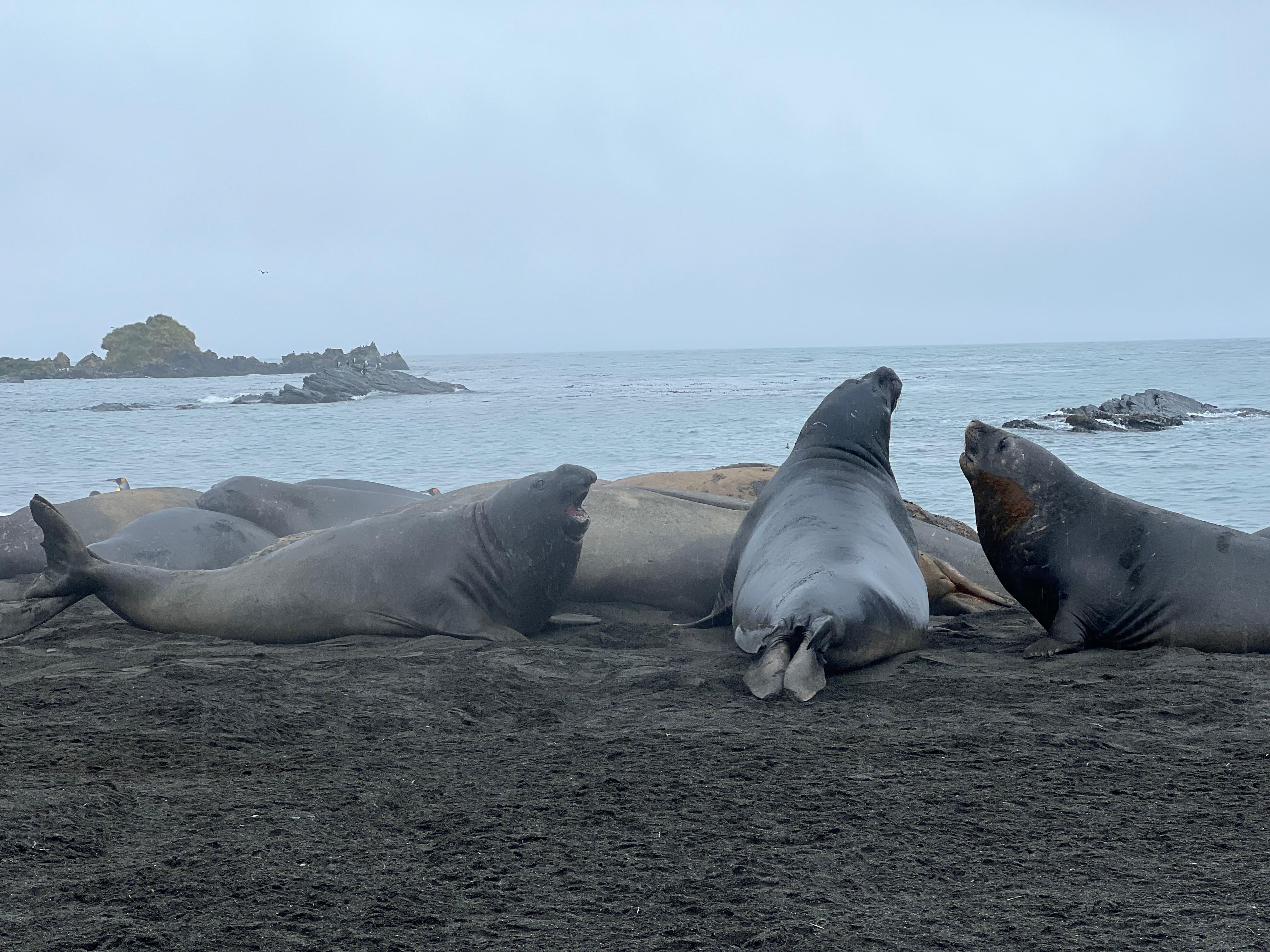
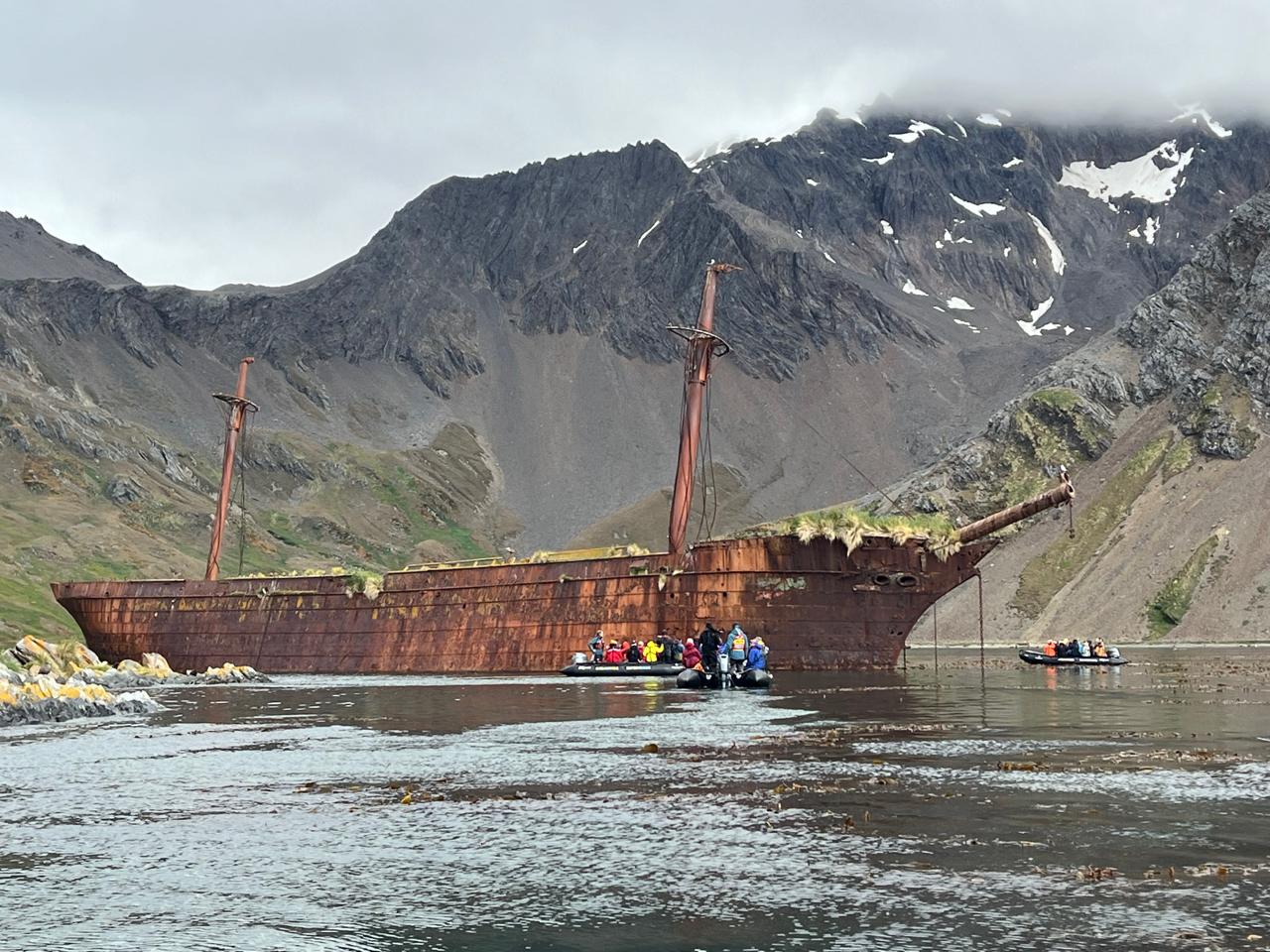
However, decades of intensive hunting drastically reduced whale populations. As the number of whales declined and the industry became unsustainable, whaling operations were gradually abandoned. By 1966, all commercial whaling activities on South Georgia had ceased.
Today, the rusting remains of the whaling stations stand as silent reminders of a controversial chapter in human history.
Life in Isolation
Life in South Georgia was once extremely challenging. Due to the island’s remote location, supply ships visited only occasionally. Workers and residents had to survive with limited food, equipment, and entertainment.
Interestingly, we learned that people living there often watched the same movie reels hundreds of times, as new films rarely arrived. Isolation was a way of life in this distant outpost.
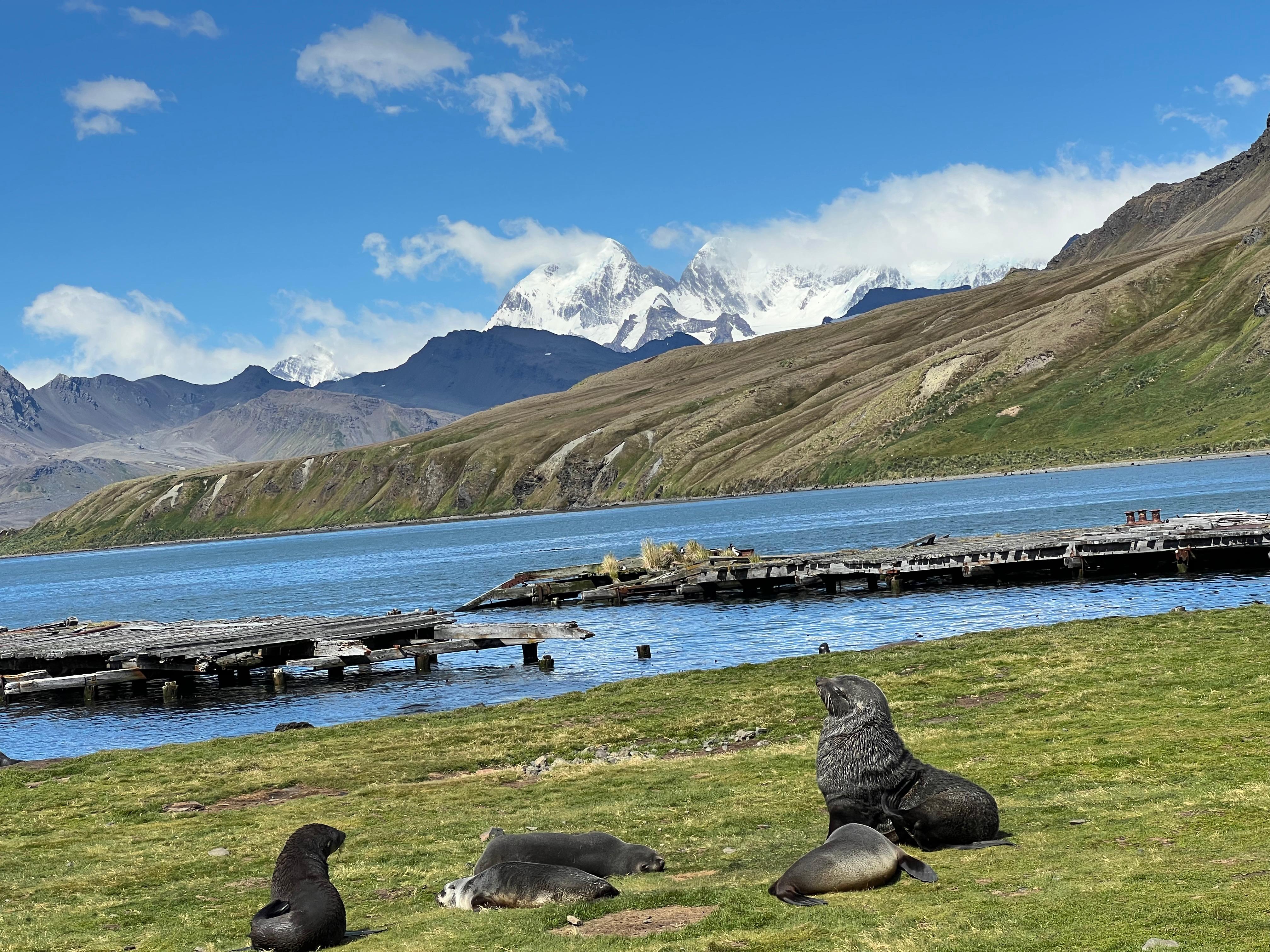
Today, the island has no permanent civilian population. Only a small number of scientists, government officials, and seasonal workers stay there for research, conservation, and carefully controlled tourism.
An Unforgettable Experience
For both of us, visiting South Georgia was a once-in-a-lifetime experience. The island’s untouched landscapes, massive wildlife colonies, and remarkable history left us deeply impressed.
Standing among endless penguin colonies and vast numbers of seals in one of the world’s most remote environments was both humbling and unforgettable.
South Georgia remains a powerful reminder of the beauty of the natural world and the importance of protecting fragile ecosystems that lie far from human civilisation.