


 For all latest news, follow the Daily Sun's Google News channel.


What India’s reported withdrawal of diplomats’ families means for Bangladesh
BBC Bangla
Published: 22 Jan 2026, 02:03 AM
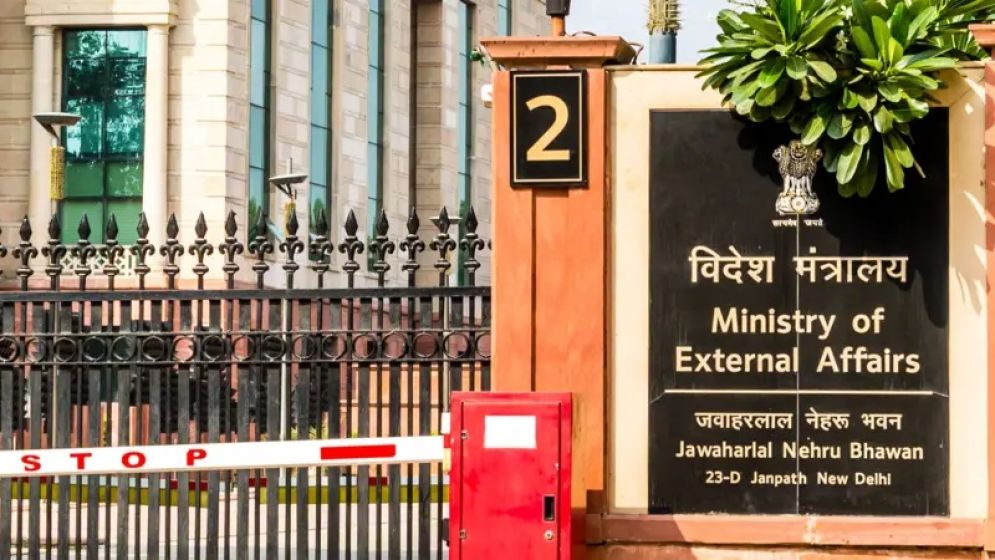
Photo: BBC Bangla
Reports that India is withdrawing the families of its diplomats from Bangladesh have sparked speculation that New Delhi is signalling diplomatic pressure rather than responding solely to security concerns.
Analysts say the move comes amid prolonged strain in bilateral relations following the July 2024 mass uprising in Bangladesh. Over the past year and a half, ties have deteriorated, with visa services suspended, heated political exchanges on both sides, and protests outside diplomatic missions prompting reciprocal summons of high commissioners.
Tensions have deepened further after Bangladeshi cricketer Mustafizur Rahman was barred from playing in the Indian Premier League, followed by Dhaka’s decision not to travel to India for the ICC T20 World Cup, complicating relations even more.
Media reports claim India has classified Bangladesh as a “non-family posting” from 1 January, instructing families of diplomats stationed at its High Commission in Dhaka and assistant high commissions in Chattogram, Khulna, Rajshahi and Sylhet to return to India by mid-January. Similar classifications apply to high-risk postings such as Pakistan, Afghanistan and Sudan.
However, officials at the Indian High Commission in Dhaka said they have not received any formal instruction yet, while India’s Ministry of External Affairs has made no official announcement. A source suggested the move was a precautionary measure, encouraging dependents to return amid perceived security concerns.
Bangladesh’s foreign affairs adviser Touhid Hossain rejected claims of security failures, saying there was “no evidence” that Bangladesh could not ensure the safety of Indian diplomats. He described India’s reported decision as an overreaction, adding that equating Bangladesh with conflict-prone countries was “regrettable”.
Former diplomat Munshi Faiz Ahmed said the move was “not a friendly decision” and likely intended as a diplomatic signal. “Such steps are often taken not only for security reasons, but to apply pressure and send a message,” he said, urging dialogue to rebuild trust.
Academic Lailufar Yasmin of Dhaka University noted that while some policymakers in Delhi remain interested in engaging with post-uprising Bangladesh, hardline elements are preventing a clearer reassessment of relations.
Analysts warn that unless both sides prioritise dialogue and confidence-building, symbolic decisions of this nature could further erode ties between the two neighbours.