


 For all latest news, follow the Daily Sun's Google News channel.


Asian economies including Bangladesh at risk from fossil fuel imports, warn experts at COP31
Daily Sun Report, Dhaka
Published: 18 Nov 2026, 09:41 PM
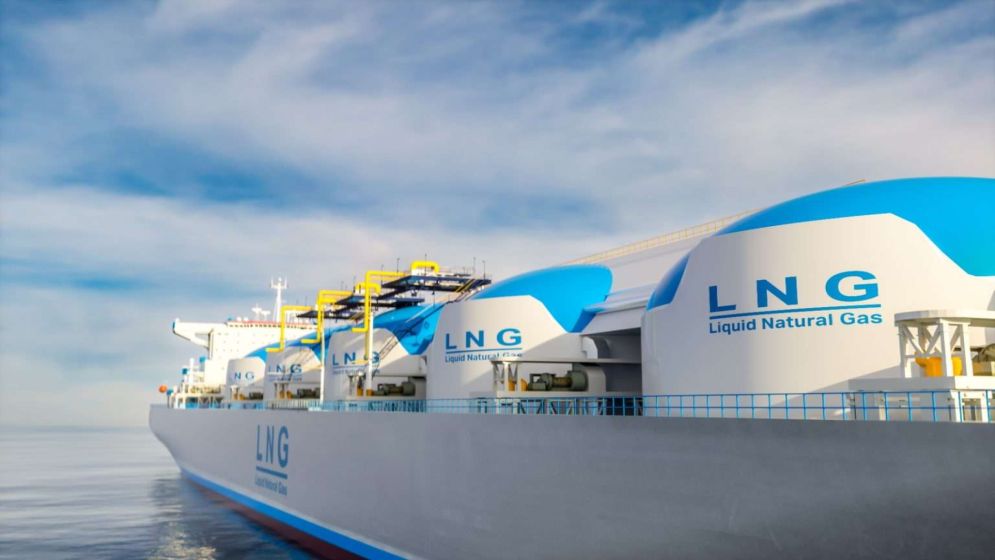
File Photo: Collected
Heavy reliance on imported fossil fuels leaves Bangladesh
and several other Asian economies exposed to supply disruptions and price
shocks amid global market volatility and geopolitical tensions, energy experts and
climate activists warned at a COP31 event in Turkey on Wednesday.
Despite the risks, Bangladesh is planning to increase its
liquefied natural gas (LNG) imports, raising concerns over its exposure to
international price fluctuations, pressure on foreign currency reserves and the
cost of electricity generation, the said at a press conference at the
Bangladesh Pavilion in Antalya, Turkey.
Climate activists and energy experts from across Asia have
called for greater investment in domestic renewable energy, energy efficiency
and regional cooperation to reduce dependence on imported fossil fuels.
Titled "Redefining Energy Security in Asia:
Geopolitical Instability, Economic Stress and Just Transition", the event
discussed the economic and energy security implications of fossil fuel
dependence in Bangladesh and other Asian countries.
The press conference was jointly organised by the Bangladesh
Environmental Lawyers Association (BELA) and Youth for NDCs, with support from
Friends of the Earth Asia Pacific.
Speakers said Bangladesh's reliance on imported LNG, oil and
coal had increased as domestic gas supplies declined. This has left the country
increasingly exposed to international fuel price fluctuations and supply
disruptions.
According to the International Energy Agency (IEA),
Bangladesh faced difficulties importing LNG from the spot market when global
gas prices surged in 2022. During the peak electricity demand in the summer of
that year, the country had to reduce electricity supply by around 20 per cent.
The IEA's 2026 assessment of the power sector also
identified Bangladesh and Pakistan as economies particularly vulnerable to
fluctuations in international LNG prices.
The pressure is also reflected in the country's import
expenditure. Bangladesh spent $61.62 billion on imports between July and April
of the 2025-26 fiscal year, up 5.92 per cent from the same period a year
earlier, according to Bangladesh Bank data. Higher spending on imported fuel
oil and LNG has added to the pressure on the economy.
Ayumi Fukakusa of Friends of the Earth Japan said energy
security had increasingly become state-centric rather than people-centric, with
fossil fuel interests dominating policy decisions.
"The Hormuz crisis and other geopolitical tensions
demonstrate how vulnerable fossil fuel-dependent energy systems can be,"
she said, calling for greater scrutiny of the actual costs of fossil fuels,
including heavy government subsidies.
Fukakusa also criticised Japan's continued support for LNG
projects abroad, saying initiatives such as the Asia Zero Emission Community
(AZEC) were promoting greater dependence on oil and gas across Asia, including
Bangladesh. She said Japan's interests in expanding fossil fuel infrastructure
in the region also needed to be recognised.
A representative of The Climate Watch, Thailand, questioned
the meaning of energy security in a country where around 70 per cent of
electricity comes from fossil gas.
Dependence on international fuel markets exposes consumers
to global price fluctuations, while governments cannot fully protect people
from the resulting shocks, the representative said.
The representative called for a shift from conventional
energy security towards "energy sovereignty", arguing that
decentralised energy systems would give communities greater control over their
energy sources and access.
Uli Arta Siagian of WALHI, Indonesia, said energy should be
recognised as a right of communities rather than merely an economic or
geopolitical resource.
Indonesia continues to pursue new coal, gas and geothermal
projects in the name of energy security, she said. A just energy transition
would require grants rather than additional debt, alongside a Just Energy
Transition Partnership (JETP), a Fossil Fuel Treaty, an end to false solutions
and recognition of people's rights.
Harjeet Singh of the Fossil Fuel Treaty Initiative stressed
the need for stronger international commitments to move away from fossil fuels.
Referring to the draft text under discussion at COP31, he
welcomed the reference to “Transition Away from Fossil Fuels (TAFF)” but said a
mere mention would not be enough. A clear roadmap, concrete plans,
capacity-building and cooperation among countries were necessary to make the
initiative meaningful.
He also warned that the draft text crossed several red
lines, stressing that a broader and binding international commitment to phase
out fossil fuels remained essential.
The discussion highlighted how dependence on imported fossil
fuels can undermine energy security across Asia, particularly in countries with
limited domestic energy resources and pressure on foreign currency reserves.
Speakers said the conventional approach to energy security,
which focuses largely on securing supplies of imported fossil fuels, had become
increasingly inadequate amid geopolitical conflicts and volatility in
international markets.
They stressed the need for countries such as Bangladesh to
expand domestic renewable energy generation, particularly solar power,
alongside investment in energy storage systems, energy efficiency and modern
electricity grids.
They also called for removing barriers to renewable energy investment, ensuring transparency and good governance, and gradually reducing dependence on imported fossil fuels through stronger regional cooperation.