


 For all latest news, follow the Daily Sun's Google News channel.


DCCI, TFO Canada join hands to boost SME exports
Daily Sun Report, Dhaka
Published: 13 Nov 2026, 12:00 AM
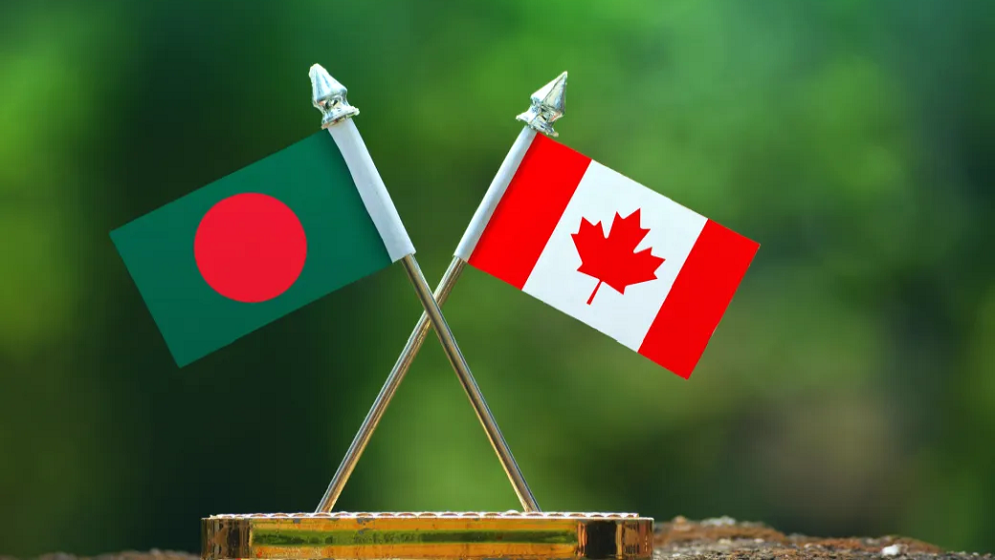
Around 200 Bangladeshi small and medium enterprises (SMEs), including women-led businesses, will receive support to enter the Canadian market under a five-year project launched by the Dhaka Chamber of Commerce and Industry (DCCI) and Trade Facilitation Office (TFO) Canada.
Titled “Trade for Resilient, Inclusive and Sustainable Economic Growth (TRISEG)”, the project will focus on diversified jute products while helping local businesses improve export readiness, product quality and access to international markets.
Funded by the Government of Canada, the initiative was launched at the DCCI Auditorium on Thursday. Mohammad Hasan Arif, vice chairman and chief executive of the Export Promotion Bureau (EPB), attended as chief guest, while Khondakar Md Nazmul Huda Shamim, additional secretary at the Ministry of Textiles and Jute, was special guest.
Md Ashraf Hossain, project manager of TFO Canada, said the programme would support around 3,200 SMEs in 16 least developed and developing countries, with women entrepreneurs accounting for 67% of beneficiaries. Bangladesh is expected to have around 200 beneficiaries.
The support will cover export readiness, skills development, digitalisation, access to finance and climate resilience. Target sectors include diversified jute products, processed and fresh food, handicrafts, fashion accessories, aromatherapy and tourism.
EPB Vice Chairman Hasan Arif said Bangladesh earned US$48 billion from exports in 2025, while export growth reached 6% in the first quarter of FY27. Canada is among Bangladesh’s top 10 export destinations, with exports worth around $1.5 billion. Jute and jute goods exports also grew 25% during the period.
He said Bangladesh’s graduation from the least developed country (LDC) category in 2029 would bring fresh export challenges, making product diversification and competitiveness increasingly important.
DCCI President Taskeen Ahmed said greater SME participation in global value chains, particularly by women-led businesses, was essential for export diversification. He hoped the project would strengthen businesses through capacity development, advisory services and direct market linkages.
Shamim said limited product diversification remained a major challenge for the jute sector, stressing the need to develop products that meet international demand and quality standards.
Omar Farhan Khan, principal business consultant and portfolio manager at LightCastle Partners, said Bangladesh had yet to capture a significant share of the estimated $3 billion global jute market despite being one of the world’s largest producers, largely due to limited value addition.
Speakers also highlighted financing and marketing barriers facing SMEs. Md Mahbubur Rahman, additional director of Bangladesh Bank’s SME & Special Programmes Department, said banks tended to favour corporate borrowers. He said the central bank had directed scheduled banks to allocate 30% of their financing to retail, 35% to SMEs and 35% to corporate borrowers.
Md Saiful Islam, director of the Bangladesh Jute Spinners Association, identified weak capacity-building and international marketing as key obstacles to jute product diversification and export growth.
Protima Chakraborty, managing director of Jute Land Bangladesh, said limited access to finance was holding back women entrepreneurs, as exports require substantial working capital and investment in compliance, quality standards and packaging. She urged Bangladesh Bank to facilitate financing for women-led businesses.
Md Jahid Hossain, managing director of JDPC PLC, and Dina Mujic, first secretary (development) at the High Commission of Canada, also spoke at the event.