



 For all latest news, follow the Daily Sun's Google News channel.


BB launches Tk100cr digital loan fund for the underserved
Borrowers can access up to Tk50,000 at a maximum 9% interest rate under revamped e-loan scheme
Daily Sun Report, Dhaka
Published: 10 Nov 2026, 09:16 PM
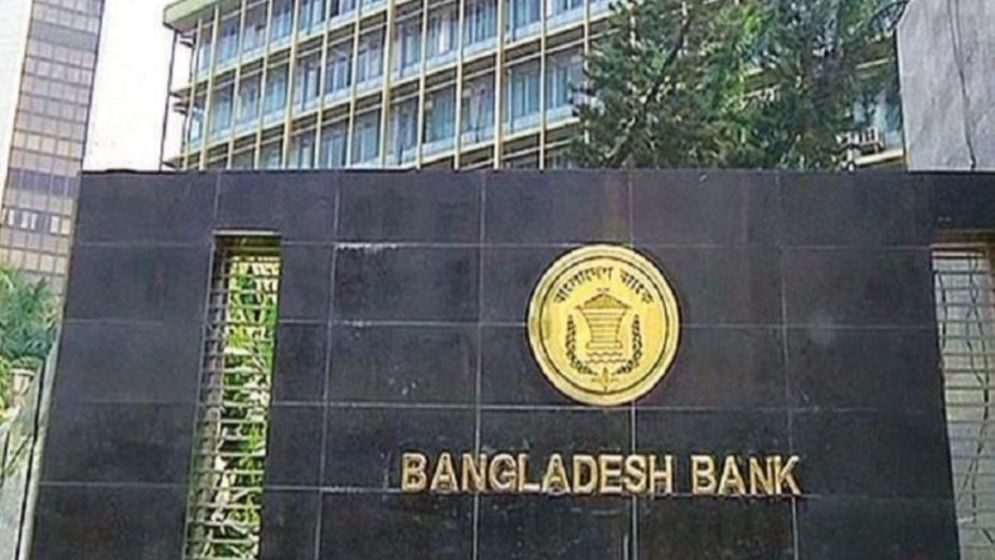
File Photo
The Bangladesh Bank has established a Tk100 crore refinancing fund to provide digital loans of up to Tk50,000 to people from marginalised and underserved communities, aiming to expand financial inclusion and improve their living standards.
Under the scheme, eligible borrowers can obtain loans of up to Tk50,000 at an annual interest or profit rate not exceeding 9%, while participating banks will receive refinancing from the central bank at 1% interest.
The Financial Inclusion Department of Bangladesh Bank issued a circular on Monday, renaming the existing Digital Small Loan Refinance Scheme as the E-Loan Scheme.
The initiative aims to improve access to small loans through digital channels and promote a cashless society.
According to the circular, the Tk100 crore fund, financed from Bangladesh Bank’s own resources, will operate on a revolving basis, allowing recovered loan amounts to be used for fresh lending.
The scheme will remain in effect until 30 June 2028, with a maximum loan repayment period of 12 months. Interest or profit will be calculated on the declining loan balance.
Priority will be given to marginalised people, residents of remote areas and those without access to formal banking services.
Marginalised women and women entrepreneurs involved in micro and small income-generating activities will also receive priority.
Students aged 18 to 25 with school banking accounts will be eligible for loans to cover educational expenses, purchase study materials, undertake vocational, technical and information technology training, or start businesses using skills acquired through such training.
Persons with disabilities and special needs, as well as members of the third-gender community engaged in income-generating activities, will also receive priority.
However, banks must assess borrowers’ creditworthiness before approving loans, and each customer can borrow a maximum of Tk50,000 at a time.
Under the guidelines, participating banks must use internet banking, mobile banking applications, mobile financial services (MFS) or e-wallets to disburse loans.
The entire lending process, from customer registration to disbursement and repayment, must be completed digitally.
Banks seeking to participate in the scheme must first complete a pilot programme and obtain approval for their loan product policies from their respective boards of directors.
For loans disbursed through MFS platforms, banks must sign memorandums of understanding with the relevant service providers.
They must also assess borrowers’ creditworthiness and comply with Credit Information Bureau (CIB) requirements.
Participating banks will be responsible for monitoring loan disbursement and ensuring that funds are used for their intended purposes.
Bangladesh Bank may request relevant documents and conduct on-site inspections when necessary.
Before obtaining borrowers’ consent, banks must clearly disclose the loan amount, applicable interest or profit rate, total repayment amount, instalment schedule and consequences of default.
The circular also outlines penalties for providing false or misleading information to obtain refinancing or failing to maintain sufficient funds in banks’ accounts during instalment recovery.
In such cases, the outstanding amount will be recovered in a lump sum, along with interest or profit at a rate two percentage points above the prescribed rate.
Participating banks will remain responsible for repaying refinancing amounts to Bangladesh Bank even if their borrowers default.
Shariah-based banks will also be allowed to provide financing under their approved investment modes, provided the annual profit rate charged to customers does not exceed 9%.
The latest circular replaces two earlier circular letters issued in 2022 and 2023, although measures already taken under the previous guidelines will remain valid.
The new instructions took effect immediately.