


 For all latest news, follow the Daily Sun's Google News channel.


Lead chromate imports rise 51% in three years
Daily Sun Report, Dhaka
Published: 03 Nov 2026, 06:14 PM
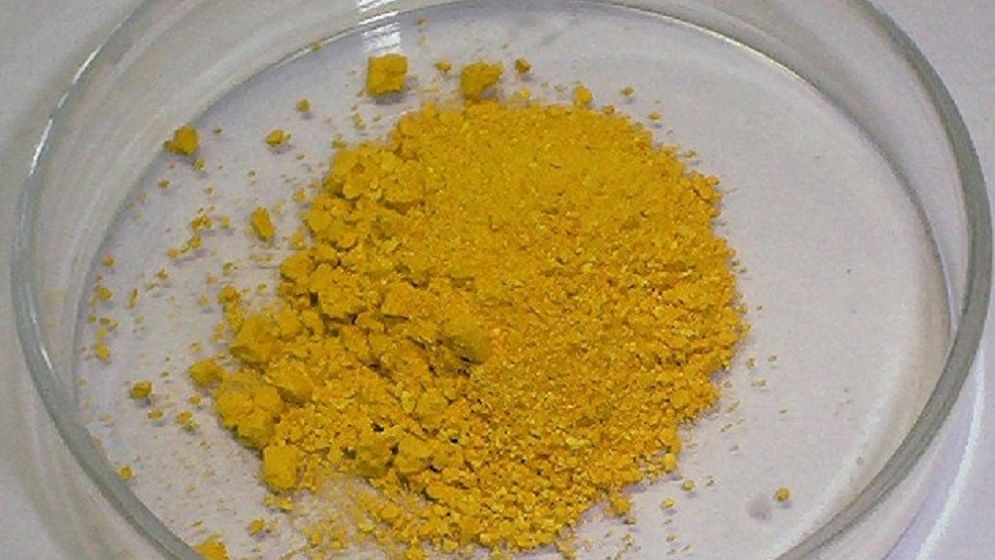
Imports of chromium-based pigments, including potentially
hazardous lead chromates, increased by 51.1% in Bangladesh between 2022 and
2025, raising concerns over gaps in monitoring and regulation of the toxic
chemical.
According to a new study by the Environment and Social
Development Organization (ESDO), Bangladesh imported around 645,800 kg of
pigments under the relevant customs classification in 2025, compared with
427,481 kg in 2022.
The import value also increased from $1.69 million to
approximately $2.29 million during the period, according to UN Comtrade data
cited in the report.
The findings were presented at a roundtable discussion
organised by ESDO in collaboration with the Department of Environment (DoE) and
the International Pollutants Elimination Network (IPEN) at the DoE office in
Dhaka on Tuesday.
The event, held in connection with International Lead
Poisoning Prevention Week 2026 under the theme “From Detection to Prevention”,
brought together government officials, regulatory authorities, academics,
development partners and industry representatives.
The report, titled “Trade of Lead Chromates: Bangladesh”,
found that India supplied between 89.9% and 93% of Bangladesh's imports under
HS Code 320620 during 2022-2025, followed by China, which accounted for 5.7% to
9%.
The study highlighted a major regulatory gap, as Bangladesh
does not have a separate Harmonised System (HS) code for lead chromate.
Instead, the chemical is imported under HS Code 32062000, which covers pigments
and preparations based on chromium compounds, including non-lead pigments.
As a result, customs data cannot identify the exact volume
of lead chromate entering the country. Some quantities may also enter through
finished paints or pigment pastes under other customs codes.
The report found no evidence of domestic lead chromate
pigment manufacturing, suggesting that the chemical used in paints is imported.
Bangladesh also did not appear as an exporter in the datasets reviewed.
Paint is considered the likely main use of imported lead
chromate, although the supply chain remains difficult to trace, as small paint
manufacturers generally purchase pigments through chemical traders.
Speaking as the chief guest, DoE Director General Dr Md
Lutfor Rahman said the lead poisoning situation was worsening and required
urgent attention.
“Lead poisoning situation is deepening every day, and we
must face it head-on,” he said, calling for government funding to encourage
student-led research.
He also said that lead was chemically associated with
several other toxic elements, making the problem multidimensional.
Special guest Dr Md Saidur Rahman, additional secretary to
the Ministry of Environment, Forest and Climate Change, called for a detailed
economic analysis of industries associated with lead chromate.
He said a research-driven approach would help protect
economic interests and minimise potential losses as industries shifted towards
lead-free products.
Professor Dr Nasrin Sultana, director of the National
Institute of Preventive and Social Medicine (NIPSOM), called for comprehensive
market surveillance and monitoring.
She said particular attention should be given to how women
and children were exposed to harmful substances through the food chain,
ingestion, inhalation and skin contact.
ESDO Founder and Secretary General Dr Md Shahriar Hossain
said there was no safe or permissible level of lead exposure.
He called for measures such as green taxation to encourage
industries to adopt safer alternatives.
Citing an ESDO study conducted in 2025, he said 90% of paint
manufacturers were already complying with the lead limit, demonstrating that a
transition to safer products was achievable.