


 For all latest news, follow the Daily Sun's Google News channel.


Toyota eyes hybrid car assembly plant in Bangladesh within two years
BSS, Dhaka
Published: 03 Nov 2026, 01:11 PM
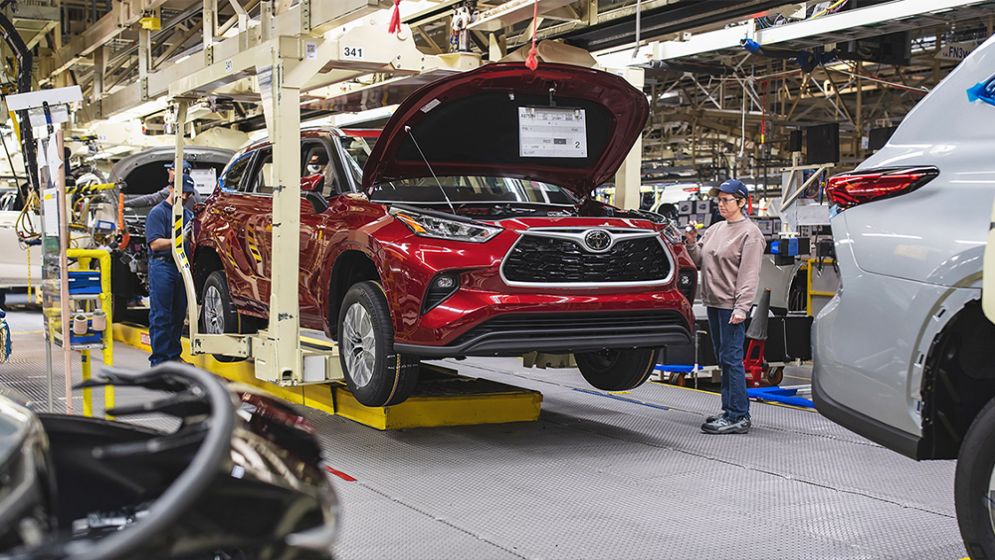
PHOTO: Toyota
Japanese automobile giant Toyota is considering setting up a hybrid vehicle assembly plant in Bangladesh within the next one to two years, marking a potential breakthrough in the country's efforts to attract major foreign investment in the automobile manufacturing sector.
The proposed assembly plant would be a significant step towards expanding Bangladesh's domestic automobile industry, introducing advanced automotive technology and creating opportunities for local manufacturing, subject to the government's necessary policy support.
As part of its initial move into the Bangladesh market, Toyota is planning to invest around US$40 million to establish two modern 3S (Sales, Service and Spare Parts) centres in Dhaka and Chattogram.
According to the Invest Bangladesh Authority, construction of the two centres is scheduled to begin in November 2026.
The facilities will provide integrated services, including vehicle sales, maintenance, repair and the supply of genuine spare parts.
The establishment of the 3S centres will mark Toyota's first direct operational presence in Bangladesh, opening a new chapter in the Japanese automobile manufacturer's engagement with the country's growing automotive market.
The proposed project could move forward within one to two years, depending on the policy environment and the support provided by the government.
Invest Bangladesh will continue to facilitate Toyota's investment and extend necessary policy assistance to help the company establish manufacturing operations in Bangladesh.
Talking to BSS, Md Abu Yousuf, Assistant Vice President of the DBH Finance PLC, also an owner of a Toyota car, welcomed the company's proposed investment, saying that local assembly of hybrid vehicles could make the cars more accessible to Bangladeshi customers.
"If Toyota starts assembling hybrid vehicles locally, it could reduce import-related costs and make hybrid cars more affordable. It would also make it easier for customers to access genuine spare parts and professional after-sales services," the customer said.
He also expressed hope that the proposed 3S centres in Dhaka and Chattogram would improve customer confidence by ensuring better maintenance facilities and the availability of genuine spare parts.
Business leaders also welcomed Toyota's potential investment, describing it as an encouraging signal for Bangladesh's efforts to attract foreign direct investment in the automobile manufacturing sector.
Syed Moazzam Hossain, former FBCCI Director and Managing Director of the SMH Group, said the proposed investment could create new opportunities for local entrepreneurs, automobile dealers, spare-parts suppliers and skilled workers.
"Toyota's involvement could help develop a modern automotive industry in Bangladesh through technology transfer, skills development and the creation of employment opportunities. It could also encourage other international automobile manufacturers to consider investing in the country," he said.
He said that if Toyota eventually starts assembling hybrid vehicles in Bangladesh and exports them to international markets, it could open up significant opportunities for the country's automobile industry.
"Bangladesh has the potential to emerge as a regional automobile manufacturing hub if Toyota considers exporting vehicles assembled here to other countries. However, this would require a competitive investment environment, consistent government policies, attractive tax and customs facilities, and the development of skilled manpower and supporting industries," he said.
He added that exporting Toyota vehicles from Bangladesh could help earn foreign currency, create employment opportunities, develop local industries and strengthen the country's position in the global automotive supply chain.