


 For all latest news, follow the Daily Sun's Google News channel.


Food businesses must obtain registration, licences from 1 November
Street vendors brought under new regulations; registration free for 16 common categories
Daily Sun Report, Dhaka
Published: 21 Oct 2026, 01:40 PM
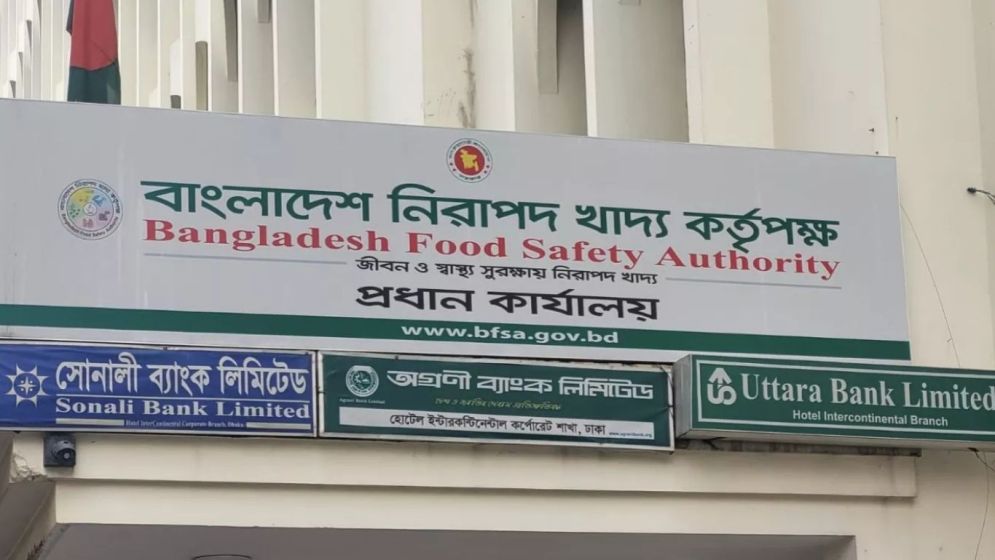
Photo: UNB
The Bangladesh Food Safety Authority (BFSA) has made registration and licensing mandatory for specified categories of food businesses and food products to protect public health, ensure food safety and bring discipline to the food sector.
Following the publication of the Safe Food (Registration and Licensing) Regulations, 2026 in the official gazette on 16 July, the authority has called on all concerned food businesses and establishments to apply for the required registration and licences from 1 November 2026, according to a press release of BFSA.
Under the Safe Food Act, 2013, and the new regulations, business licences, premises licences, licences for manufactured and imported products, and registration of licensed products will be mandatory for four specified categories of food businesses. Registration will also be required for 16 designated categories of food businesses and establishments.
The new rules will cover a wide range of businesses, from roadside mobile and temporary food stalls and small restaurants to importers and large-scale food processing companies.
According to the schedules of the regulations, food businesses have been divided into two broad groups. Registration alone will be sufficient for 16 categories of conventional food businesses, while businesses dealing in certain specialised food products will require licences.
Restaurants, bakeries, fruit juice shops, pastry shops and catering service providers will have to register with the BFSA. Manufacturers of packaged food, sweet shops, dairy product manufacturers and importers - excluding those dealing in raw and fresh food - will also be required to register.
Even roadside vendors selling traditional snacks such as pitha, puri and peyaju will come under the new registration requirements.
Registration will also be mandatory for specified businesses involved in wholesale grocery trading, the import of raw and fresh food, food warehouses and cold storage facilities, and the production of edible oil and edible salt.
The regulations further cover businesses involved in the production, processing, storage, import, export and marketing of special foods, fortified foods, health-supporting and supplementary foods, special dietary foods, foods for special medical purposes, probiotic and prebiotic foods, organic foods, irradiated foods, genetically modified foods, novel foods, functional foods, multi-stage processed foods and food additives.
Meanwhile, four categories of specialised food businesses will be brought under mandatory licensing. These include businesses producing, processing, storing, importing and marketing health-supporting and supplementary foods, special dietary foods and foods for special medical purposes, probiotic and prebiotic foods, and nutraceuticals and similar products.
These requirements will cover specialised products such as infant formula and foods developed for elderly people or those suffering from specific diseases.
In addition, businesses dealing in genetically modified foods, organic foods, irradiated foods, genetically engineered foods, novel foods, functional foods and fortified foods will have to obtain the relevant licences and registrations in accordance with applicable provisions.
The same requirements will apply to food products carrying health-related claims or claims about reducing disease risks under the Safe Food (Advertisement and Claims) Regulations, 2025.
The BFSA said applicants must pay the prescribed fees listed in Schedule 10 of the 2026 regulations and fulfil the relevant conditions. Applications for mandatory licences must be submitted using Forms 6.1, 7.1, 8.1 and 9.1, while Form 5.1 must be used for registration.
Operating a food business without the required registration or licence, despite being subject to the obligation, constitutes a punishable offence under the relevant provisions of the Safe Food Act, 2013, the authority said.
It has urged all concerned businesses and establishments to complete the necessary preparations to obtain the applicable registration and licences within the stipulated timeframe.
Registration and licences will remain valid for three years and must be renewed thereafter.
Under the regulations, first-time registration will be free of charge for the 16 categories of conventional food businesses.
The premises licence fee for specialised food manufacturers will depend on the floor area of the establishment. The fee will be Tk10,000 for premises measuring 100 square metres or less, while establishments measuring more than 10,000 square metres will have to pay Tk60,000 to obtain a new licence.
Each food product package must display the BFSA registration number. This will enable consumers to check whether a business is registered and lodge complaints by referring to the number, the authority said.
Initially, applications for licences and registration may be submitted through the BFSA's district offices. The authority is also gradually moving towards a fully online application system.
The BFSA expects the initiative to improve transparency and accountability in the registration and licensing of food businesses, bring greater order to food production and marketing, and strengthen efforts to ensure food safety and protect public health.