


 For all latest news, follow the Daily Sun's Google News channel.


Higher tax on imported fuel-powered vehicles proposed
Prices of 1,200cc–1,600cc vehicles may rise by up to Tk3 lakh

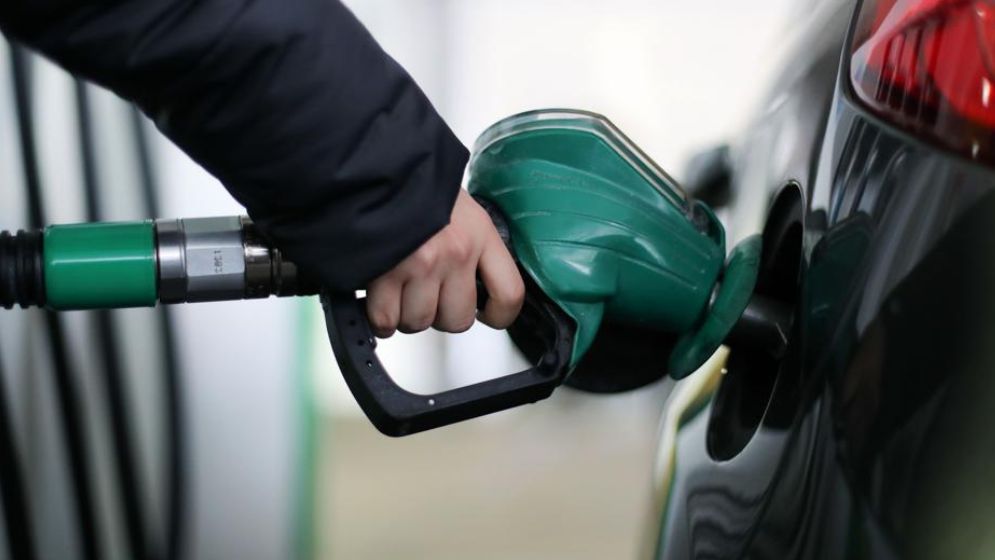
Representational Image: AFP
The proposed national budget for FY2026–27 has introduced higher taxes on petrol- and diesel-run vehicles, with the government aiming to encourage the use of electric vehicles (EVs).
However, stakeholders in the country’s automobile sector say Bangladesh’s EV market is still at a very early stage, and higher taxes on conventional fuel-powered vehicles at this point could adversely affect the industry.
Under the proposed budget, the overall tax burden on internal combustion engine (ICE) vehicles has been increased by approximately 23.52%. The additional tax will apply to imported vehicles with engine capacities ranging from 1,200cc to 1,600cc as part of efforts to discourage fossil fuel–powered vehicles.
Currently, the total tax incidence on such vehicles stands at 132.36%. The government has proposed raising it to 155.88%. Tax rates on imports of other categories of vehicles will remain unchanged.
According to the budget speech, the measure aims to discourage the import and use of petrol-powered, diesel-powered and octane-powered vehicles while encouraging a shift towards more environment-friendly alternatives. If implemented, the higher taxes are expected to significantly increase vehicle prices in the local market.
Bangladesh Reconditioned Vehicles Importers and Dealers Association (BARVIDA) President Abdul Haque told the Daily Sun that around one million electric vehicles are manufactured globally each year, but only about 10,000 enter the Bangladeshi market.
“Imposing taxes on fuel-powered vehicles to provide benefits for such a small number of EVs warrants reconsideration,” he said.
Referring to the proposed tax increase on 1,200cc–1,600cc vehicles, he noted that these models are most preferred by middle-income consumers.
“The sales of these vehicles will decline as a result of the higher taxes,” he added.
He estimated that prices of such vehicles could increase by around Tk270,000 to Tk300,000.
Abdul further said that extending tax incentives to hybrid vehicles alongside EVs could have provided some relief to the market.
“We had requested the National Board of Revenue (NBR) during pre-budget discussions to keep microbuses and Hiace vehicles outside the supplementary duty regime. However, the proposed budget does not address this,” he added.
Former BARVIDA president and owner of Auto Museum Ltd Habib Ullah Dawn said the government has every right to introduce measures to protect the environment, but policies must remain practical for the market.
“Bangladesh’s electric vehicle market is still in its infancy. Infrastructure, garages, batteries and charging systems are not yet adequately developed, yet the government is encouraging a shift towards EVs,” he said.
He added that only five to six EV models are currently available in the market, compared to 40 to 50 models of fuel-powered vehicles.
“It is not possible to immediately shift consumers from conventional vehicles to EVs,” he said.
Dawn also noted that the proposal is still under discussion, leaving scope for review and adjustment.
“The government can gradually expand the EV market while slowly reducing dependence on fuel-powered vehicles. An abrupt shift would not be a prudent approach,” he added.