


 For all latest news, follow the Daily Sun's Google News channel.


No conducive environment for industrial investment: BKMEA president
Daily Sun Report, Dhaka
Published: 06 Jun 2026, 01:25 PM
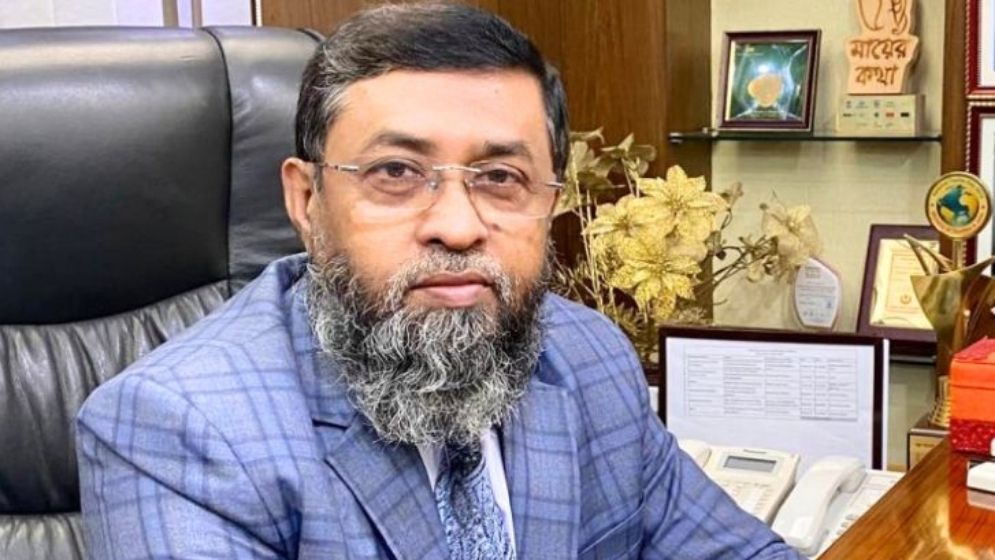
BKMEA Mohammad Hatem. File Photo
Bangladesh Knitwear Manufacturers and Exporters Association President (BKMEA) Mohammad Hatem has said the country’s industrial investment environment is deteriorating due to persistent energy shortages, high bank interest rates, export decline and what he described as a complex and burdensome taxation system.
In an interview with Kaler Kantho, he said there is currently no favourable
condition for industrial investment, warning that factories are gradually being
pushed towards closure.
He said businesses are struggling to expand or even sustain existing operations
due to shortages of gas and electricity, which he described as essential inputs
for industrial production. According to him, firms cannot increase capacity
because additional demand for energy cannot be met.
Hatem also criticised the banking sector, saying access to loans is limited
and interest rates of around 14–16% make borrowing commercially unviable.
He warned that loans taken under such high interest conditions are unlikely
to be repaid under current market realities, and called for stronger monitoring
of lending practices.
He pointed to a sustained decline in exports, saying the sector has
experienced falling export earnings for most months of the current fiscal year,
which he said reflects deep structural pressure on the industry.
Referring to investment promotion efforts, he said that despite high
expectations from recent investment summits, actual inflows of foreign
investment have not materialised.
He argued that foreign investors assess existing local conditions,
including energy shortages, banking constraints and policy uncertainty, and are
discouraged by what they observe.
Hatem further criticised banking procedures related to export financing,
saying delays in disbursement and rigid handling of overdue payments create
additional financial pressure on exporters. He said such delays can disrupt
shipment schedules, force discounts or air shipments, and significantly
increase costs.
He warned that repeated financial stress eventually leads to factory
closures, job losses and loan defaults, creating a cycle of industrial decline.
On taxation, he said current policies are overly complex and often result
in what he described as excessive collection through multiple deductions,
withholding taxes and adjustments.
He argued that in many cases, businesses face additional tax claims even
after advance deductions, creating liquidity pressure and eroding working
capital.
He said the cumulative impact of energy shortages, high interest rates,
export decline, banking rigidities and tax complications is making it
increasingly difficult to sustain industrial operations in the country.