


 For all latest news, follow the Daily Sun's Google News channel.


Discussion on safe foods held in Moulvibazar
Daily Sun Report, Moulvibazar
Published: 04 Nov 2026, 09:02 PM
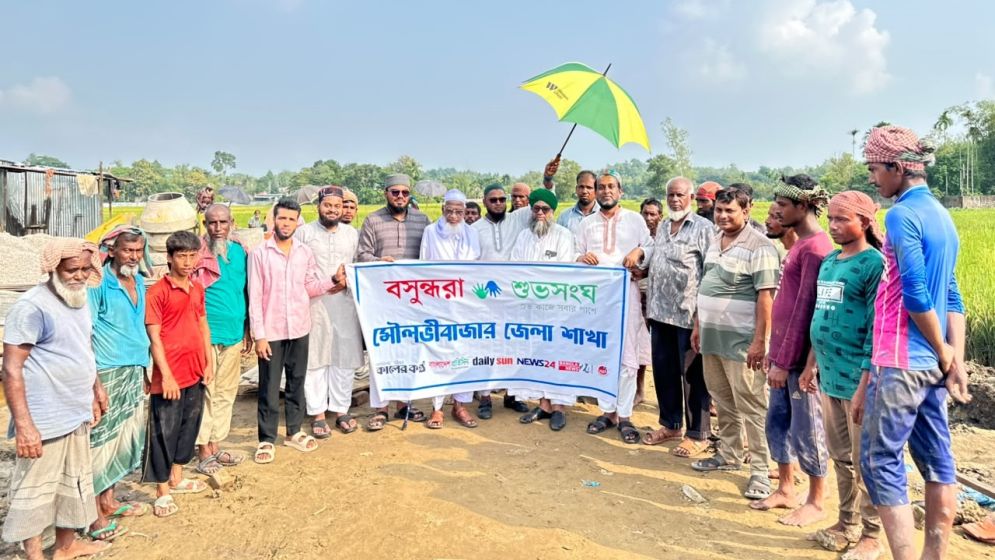
Photo: Daily Sun
Bashundhara Shuvosangho’s Moulvibazar district branch organised a discussion meeting on Monday to raise awareness about food safety, safe food production and the health risks of food adulteration.
The meeting was held at Uttar Jagannathpur Burhanabad, a
permanent project site of Sheikh Borhanuddin (RAH) Islamic Society (BIS), with
farmers, workers and people from various professions attending.
The event was chaired by M Muhibur Rahman Muhib, president
of Shuvosangho’s Moulvibazar district branch. Allama Abdul Karim Sirajnagari,
founding principal of Sirajnagar Fazil Madrasa, attended as chief guest.
Other attendees included Mawna Sheikh Ariful Islam; Ruhel
Khan Ashraful, team leader of the district burial and funeral team; Syed Abu
Hasan Zillul, vice-president; Engineer Md Foyez, office secretary; and members
Masum Ahmed and Md Amir Hossain.
In his address, Sirajnagari said food safety must be ensured
at every stage, from production to consumption. He said safe food requires
protection against harmful microorganisms, chemicals and other contaminants
during production, processing, transportation, storage and preparation.
He urged farmers to adopt safe cultivation practices and
food businesses to maintain hygienic conditions.
Muhib said consuming unsafe food could cause diseases
including diarrhoea, dysentery and food poisoning. Long-term exposure to
adulterated food and harmful chemicals could also increase the risk of liver
and kidney complications, he said, adding that children, older people, pregnant
women and those with existing illnesses were particularly vulnerable.
Speakers said some businesses use prohibited food colours
and unauthorised chemicals to increase profits, posing serious risks to public
health. They called for stronger accountability among food businesses, regular
inspections and effective enforcement of food safety laws.
The discussion also highlighted the need for responsible use
of fertilisers and pesticides, compliance with recommended waiting periods
before harvesting, and hygienic handling and transportation of agricultural
produce.
Speakers stressed that restaurants, bakeries and food shops
should use safe water, maintain clean kitchens, keep food covered and store raw
and cooked items separately.
They also called for food safety education at the family
level, particularly for children, and urged educational institutions, media
outlets and social organisations to expand public awareness initiatives.
Bashundhara Shuvosangho members said ensuring food safety
required collective action from farmers, businesses, consumers and authorities.
They pledged to continue awareness activities promoting safe food practices and
opposition to food adulteration.