



 For all latest news, follow the Daily Sun's Google News channel.


Govt to formulate policy on hilsa marketing to protect fishermen, consumers: Minister
Annual economic value of the hilsa sector is around $3 billion
Daily Sun Report, Dhaka
Published: 27 Nov 2026, 07:20 PM
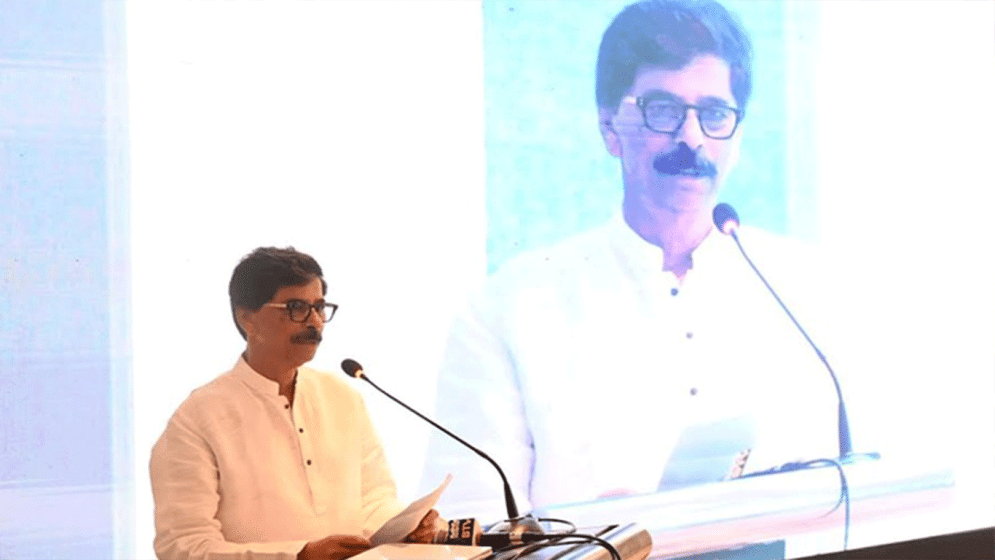
Photo: BSS
Minister of Agriculture, Fisheries and Livestock Mohammad Amin Ur Rashid on Friday said the government is taking initiatives to formulate an effective policy to protect the interests of fishers and consumers associated to marketing of hilsa.
The policy aims to ensure fair prices for fishers–by
reducing the influence of middlemen and dependence on the dadon (advance loan)
system–while making hilsa available to consumers at affordable prices, he said.
He made the remarks while addressing a workshop
titled “Regional Workshop: Sustaining Hilsa Fisheries in the Bay of Bengal
Region” as the chief guest at Sheraton Dhaka Hotel in Banani on Friday, said a
press release.
The minister said fishers are unable to sell their
catch directly in most cases, due to the influence of middlemen and the
dadon-based system. As a result, they (fishermen) lose major share of their
income to middlemen. On the other hand, consumers also have to pay higher
prices. The government’s formulated policy will specifically address this
situation.
Amin Ur Rashid said hilsa is an integral part of
Bangladesh's national identity, heritage and food culture. The fish is also an
important source of the country's economy, livelihoods, food and nutritional
security for a large number of people.
He said besides conserving the hilsa, the initiative
should give equal importance to protecting the livelihoods, dignity and future
of fishers.
Annual economic value of the hilsa sector is around $3
billion. Fishermen's families, traders, transport workers, processors and many
others involved in the value chain depended on the sector, he said.
He said conservation efforts had been given an
institutional foundation through the establishment of hilsa sanctuaries,
fishing bans during the breeding season and social safety net programmes for
fishers.
Hilsa management, he said, must be science-based,
integrated and adaptable to changing environmental conditions. Reliable data
were needed on hilsa stocks, breeding grounds, habitats, environmental
conditions, water flows and the impacts of climate change.
Speaking about fishers' livelihoods, the minister
said fishing bans were essential for hilsa breeding and conservation, but the
incomes of many fishing families came to a halt during these periods.
He stressed the need to ensure timely social safety
net assistance, alternative employment opportunities and easy-term financing
for fishers. The incumbent government was giving importance to formulating
necessary policies, taking these issues into consideration.
Fisheries and Livestock Ministry Secretary Md Delwar
Hossain, Department of Fisheries Director General Dr Md Khaled Kanak,
University Grants Commission member Professor Dr Masuma Habib, Bay of Bengal
Programme-Intergovernmental Organisation Director Dr P Krishnan, Bangladesh
Fisheries Research Institute Director General Dr Md Latiful Islam, former
national programme adviser of WorldFish Myanmar Dr Khin Maung So and WorldFish
Bangladesh Country Representative ATM Faruk-ul-Islam, among others, attended
the workshop.