



 For all latest news, follow the Daily Sun's Google News channel.


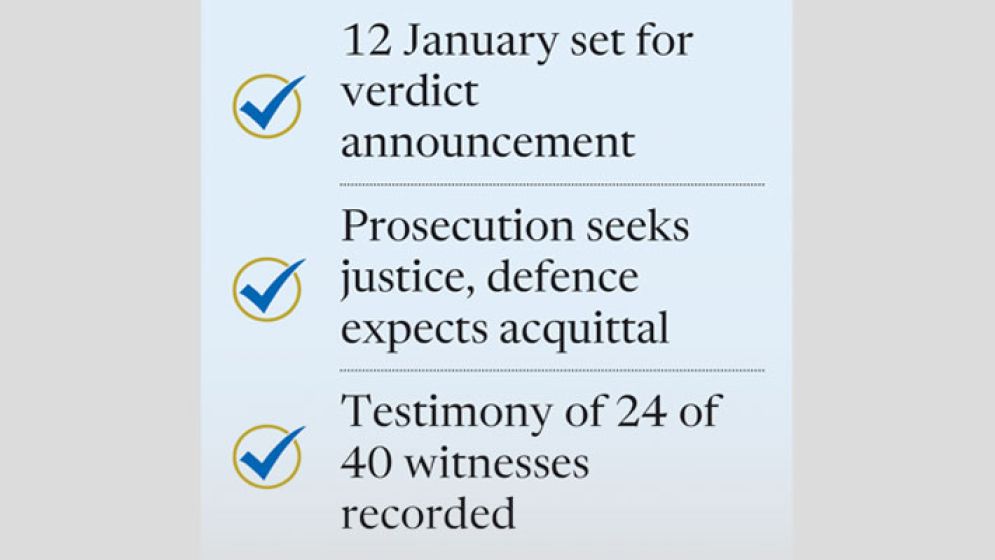
Blogger Washiqur Rahman Babu was hacked to death in Tejgaon on 30 March 2015. After more than 11 and a half years, the case is finally awaiting its verdict, scheduled for 12 January 2027 at the Dhaka Additional Metropolitan Sessions Judge's Court-12.
The prosecution hopes for justice, while the defence maintains that insufficient evidence and numerous irregularities will lead to the accused's acquittal.
According to sources, the case reached the verdict stage on 27 October 2020, but the court deferred the verdict after finding that the charges had been improperly framed. It subsequently re-framed the charges and resumed the trial. Testimony from 24 of the 40 listed witnesses has been recorded, while the rest failed to appear despite summonses and warrants.
The five accused are Zikrullah alias Hasan; Md Ariful Islam alias Arif, alias Erfan, alias Mushfiq; Md Saiful Islam alias Mansur; Maulana Junayed Ahmed alias Junayed, alias Taher; and Abdullah alias Md Akram Hossain, alias Hasib, alias Borobhai.
According to the prosecution, Junayed Ahmed and Abdullah have been absconding since the beginning, while the other three went into hiding after securing bail.
Public prosecutor Md Farid Uddin Sarkar said Washiqur was murdered in a premeditated attack over his Facebook posts against religious extremism.
"The issue of the murder plot also emerged in the confessional statement of one of the accused," he said, adding that they had conducted the case with utmost seriousness. "We hope justice will be ensured," he said. Defence lawyer Abdur Rashid Mollah, representing Zikrullah and Arif, said the case had previously been scheduled for a verdict during the fascist regime. He alleged that although the authorities realised there was insufficient evidence, they still wanted convictions and sent the case back to the charge-framing stage to delay proceedings and further harass the accused.
He said the prosecution still failed to complete recording witness testimonies after the case returned to the charge-framing stage. The defence had argued that there was no evidence against the accused.
He further alleged that the accused had been implicated to send a message domestically and internationally, while the prosecution's witnesses had not actually witnessed the incident. The flaws in the case and what he described as the government's improper policy in implicating the accused became evident during witness examinations, he claimed. "Conviction is out of the question; the accused should be acquitted. Now that the verdict is approaching, we expect the court to find no evidence against them and acquit the accused," he said.
Read More