


 For all latest news, follow the Daily Sun's Google News channel.


Medicine shortage disrupts services at 204 health facilities in Lakshmipur
Rural patients suffer as essential drugs run out, forcing poor people to seek treatment at private hospitals
Razaul Karim Parvez, Lakshmipur
Published: 21 Nov 2026, 02:10 PM
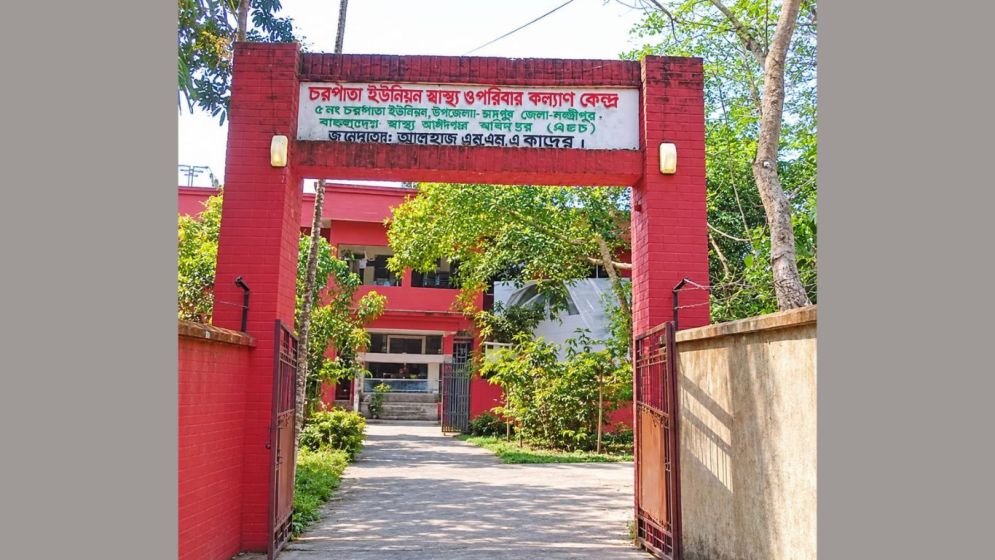
Photo: Daily Sun
Healthcare services at 169 community clinics and 35 Union Health and Family Welfare Centres in Lakshmipur have been severely disrupted by an acute shortage of essential medicines, leaving thousands of rural people without access to basic treatment.
The shortage has hit poor and disadvantaged patients particularly hard, forcing many to spend extra money on medicines and treatment at private pharmacies and healthcare facilities.
According to sources at the Lakshmipur Civil Surgeon's Office and the Directorate General of Family Planning, the district has 169 community clinics and 35 Union Health and Family Welfare Centres across its six upazilas, including Raipur.
The facilities are supposed to provide basic treatment for fever, colds, coughs, injury-related pain and various infectious diseases, alongside maternal healthcare and family planning services. However, supplies of essential medicines from the health department have declined significantly since 2024, making it increasingly difficult for the centres to meet patients' needs.
Sources concerned said the centres were generally supposed to receive 25 to 27 types of medicines from the government. However, supplies have remained almost suspended for the past two years. Although some contraceptive pills and condoms were supplied recently, the quantities fell far short of actual demand.
During visits to Union Health and Family Welfare Centres in Keroa, Char Bangshi and Bamni unions in Raipur, as well as Dalal Bazar and Hamsadi in Lakshmipur Sadar, this correspondent found few patients seeking treatment.
Local residents said many people were reluctant to visit the centres because essential medicines were rarely available. As a result, they had to seek treatment elsewhere, often at much higher costs.
Kohinoor Begum and Roksana Akter, residents of Noyahat village who visited Keroa Union Health and Family Welfare Centre, said they found no doctor at the facility.
“After arriving here, we found that no doctor was present. Health visitor Sufia Begum gave us a few tablets, but we did not receive any other necessary medicines. We will have to buy those from the local market,” they said.
Another patient, Rahima Begum, expressed frustration over the situation.
“Although a doctor is assigned to the centre, he comes only occasionally. What is the point of getting a prescription on a blank sheet of paper from the health visitor when there are no medicines? I do not even have enough money to buy medicines,” she said.
Sufia Begum, a health visitor at Keroa Union Health and Family Welfare Centre, and Sumi Rani, a health visitor at the Sadar centre, acknowledged the shortage.
“There is virtually no supply of medicines. We received a small quantity of pills and condoms in June, but those have already run out,” they said.
A visit to Bamni Union Health and Family Welfare Centre in Raipur revealed an even more alarming situation. No doctor or health visitor was present at the facility during the visit. Only an aya (support staff member) was there, distributing a single bottle of fever syrup among three children by dividing its contents.
Almost no other medicines were available at the centre. Family planning supplies were also severely limited.
Mahful Alam and Hafiz Uddin, residents of the Kapilatuli area in Raipur, said they had not received medicines from local health centres or community clinics for a long time.
“Even for minor health problems, we now have to travel to the upazila headquarters or the district town. This increases our treatment costs and causes additional hardship,” they said.
Lakshmipur Civil Surgeon Dr Md Baharul Alam acknowledged the medicine shortage and its impact on healthcare services.
“Due to inadequate supplies of medicines, healthcare services at union health centres are being disrupted, leaving local people deprived of treatment. We have informed the higher authorities about the situation several times,” he said.
Deputy Director of the Directorate General of Family Planning in Lakshmipur, Nazmul Hasan said a limited quantity of supplies arrived in June after a prolonged interruption.
“We are somehow continuing our activities with the limited supplies received in June. The shortage of doctors, manpower and medicines has already been brought to the attention of the higher authorities,” he said.