


 For all latest news, follow the Daily Sun's Google News channel.


90% of children in Satkhira, Cox’s Bazar worried about extreme weather
Daily Sun Report, Dhaka
Published: 17 Nov 2026, 08:11 PM
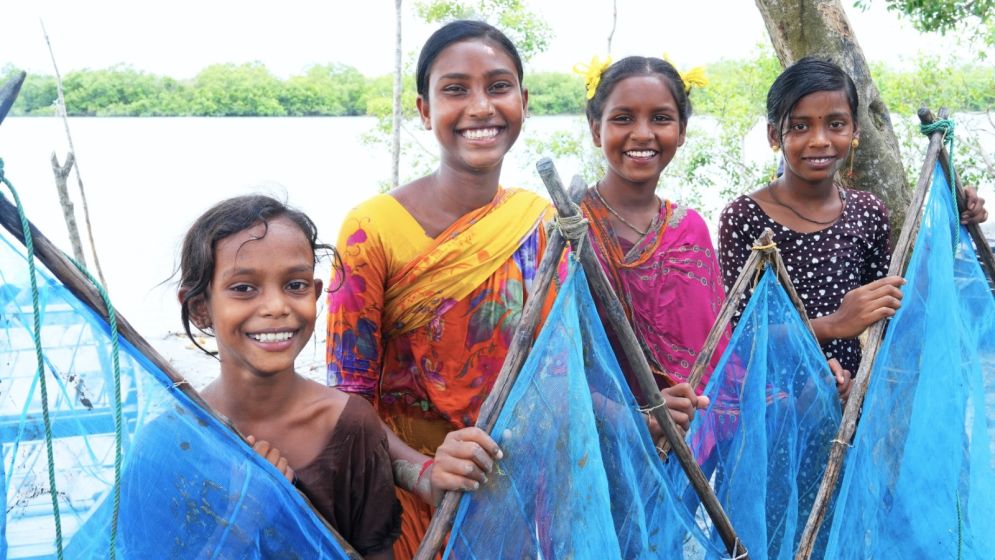
Photo: Collected
Around 90% of children and adolescents in Satkhira and Cox’s
Bazar are worried about extreme weather events, including floods, fires,
heatwaves and storms, according to a new study by Educo, a member of ChildFund
Alliance.
The findings were revealed in a global report titled “ChildFund
Alliance World Index 2026: Safe Enough to Have a Future,” which outlines risk
factors for children: conflict, climate shocks, displacement, insecurity and
inequality.
The report brings together two complementary components:
research involving more than 3,000 children across 27 countries, exploring
their lived experiences of safety, and a ranking of 134 countries assessing the
implementation of children’s formal rights through 30 indicators.
In Bangladesh, 101 children took part in the survey, while
16 participated in two community safety-mapping sessions.
The participants included boys and girls aged 8 to 18 years,
with around 7% reporting disabilities.
The survey, conducted in March 2026, found that around four
in ten children were very worried about extreme weather, while nearly six in
ten reported feeling mostly sad or scared about environmental problems.
The study said climate change is affecting not only
children's physical safety but also their emotional wellbeing, education,
family livelihoods and sense of security.
“These findings remind us that children's safety must go
beyond policies and commitments. We need to listen to children, understand
their concerns and ensure that families, schools and communities have the
capacity to protect and support them,” said Abdul Hamid, country director of
Educo Bangladesh.
In Bangladesh, 81% of surveyed children identified schools
and learning centres as places where they felt safe, followed by their homes
(62%) and being with family members (55%).
More than three-quarters (77%) said there were unsafe places
in their communities where children should not go. The major concerns included
road accidents, unsafe interactions with people and risks around water bodies.
The study also found that around 90% of children would
approach their parents, caregivers or other family members for support when
experiencing fear, worry or sadness. Teachers and school staff, as well as
trusted neighbours, were identified by around four in ten children as potential
sources of help.