



 For all latest news, follow the Daily Sun's Google News channel.


Aflatoxin contamination in rice poses health risks, children more vulnerable: Study
BSS, Dhaka
Published: 16 Nov 2026, 03:27 PM
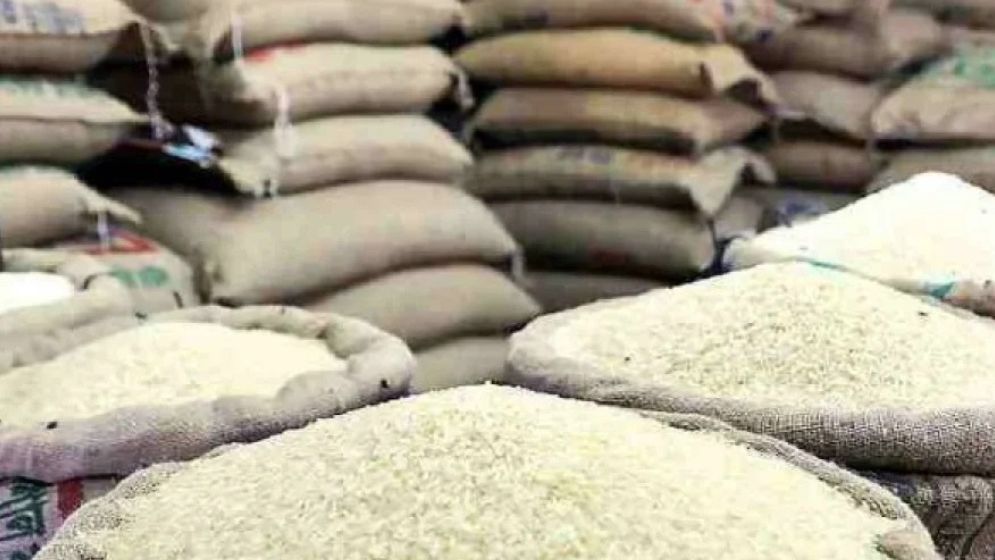
Photo: Collected
Aflatoxin contamination in commonly consumed rice and flattened rice (chira) has emerged as a potential food safety concern in Bangladesh, with children facing higher health risks than adults due to greater exposure relative to their body weight.
A recent scientific study titled 'Aflatoxin occurrence in retail rice and rice-derived products from Bangladesh: An evaluation of dietary exposure and related health risks', detected aflatoxin contamination in 27.63% of rice samples and 55% of flattened rice samples collected from markets and supermarkets in Dhaka.
A team of researchers from the Bangladesh Atomic Energy Commission and Jahangirnagar University conducted the study, which was published in the international scientific journal Toxicology Reports by Elsevier.
The researchers analysed 121 samples, including 76 rice, 20 flattened rice and 25 puffed rice (muri) samples. They collected the samples from retail markets and supermarkets in Dhaka during the hot and rainy season from June to August 2022 and the cool and dry season from December 2022 to February 2023.
The samples were tested using high-performance liquid chromatography with fluorescence detection.
Aflatoxins were detected in 21 of the 76 rice samples and 11 of the 20 flattened rice samples. None of the 25 puffed rice samples tested positive.
The findings are particularly significant as rice is the country's staple food, while chira and muri are widely consumed as breakfast items, snacks and emergency food during natural disasters.
The study estimated that children consuming contaminated rice face greater potential health risks than adults. The mean estimated daily intake of total aflatoxins was 4.06 nanograms per kilogram of body weight for children, compared to 2.38 nanograms for adults.
The corresponding margin of exposure (MOE) values were 4.89 for children and 8.36 for adults, both significantly below the internationally used safety benchmark of 10,000.
A lower MOE indicates greater potential health concern, particularly for substances such as aflatoxins that can damage genetic material and cause cancer.
The researchers also estimated the mean annual liver cancer risk associated with total aflatoxin exposure from contaminated rice at 0.088 cases per 100,000 people for children, compared to 0.051 cases for adults.
Aflatoxins are toxic substances produced by certain species of Aspergillus fungi. Long-term dietary exposure, particularly to aflatoxin B1, can damage the liver and increase the risk of liver cancer.
The study also found higher contamination rates during the hot and rainy season than in the cooler and drier months.
In rice, the contamination rate was 29.55% during June-August 2022, compared to 25% during December 2022-February 2023. For flattened rice, the rates were 60% and 50%, respectively.
The researchers attributed the higher prevalence during the rainy season to elevated temperatures, rainfall and humidity, which favour the growth of aflatoxin-producing fungi.
Despite the relatively high prevalence, the detected aflatoxin concentrations remained below the European Union's maximum permitted limits for cereals. However, the researchers cautioned that compliance with regulatory limits does not necessarily eliminate potential health concerns from long-term exposure.
The study found mean total aflatoxin concentrations of 0.433 micrograms per kilogram in rice and 0.310 micrograms per kilogram in flattened rice.
Although flattened rice had a higher contamination rate, its estimated dietary exposure and associated health risks were lower than those of regular rice because people generally consume larger quantities of rice.
The researchers said improper drying, moisture retention, transportation and storage could contribute to fungal growth and toxin accumulation in rice and rice-derived products.
They recommended strengthening routine food safety monitoring, improving agricultural and storage practices and introducing effective measures to detect and prevent aflatoxin contamination throughout the food supply chain.
They also called for further large-scale studies covering different regions and seasons, alongside regular surveillance, to obtain a clearer picture of aflatoxin contamination in the country's food supply.
The research team included Md Hedayetul Islam, Md Maruf Billah Prince, Md Nazrul Islam, Sadia Tuj Jahan, Darmin Chakma, Chironjit Kumar Shaha, Shahabe Uddin Talukder, Mahamodun Nabi, M. Jahurul Islam, A.N.M. Fakhruddin and A.S.M. Saifullah.