


 For all latest news, follow the Daily Sun's Google News channel.


Eight-month ban on catching juvenile hilsa begins at midnight
Daily Sun Report, Dhaka
Published: 31 Oct 2026, 07:20 PM
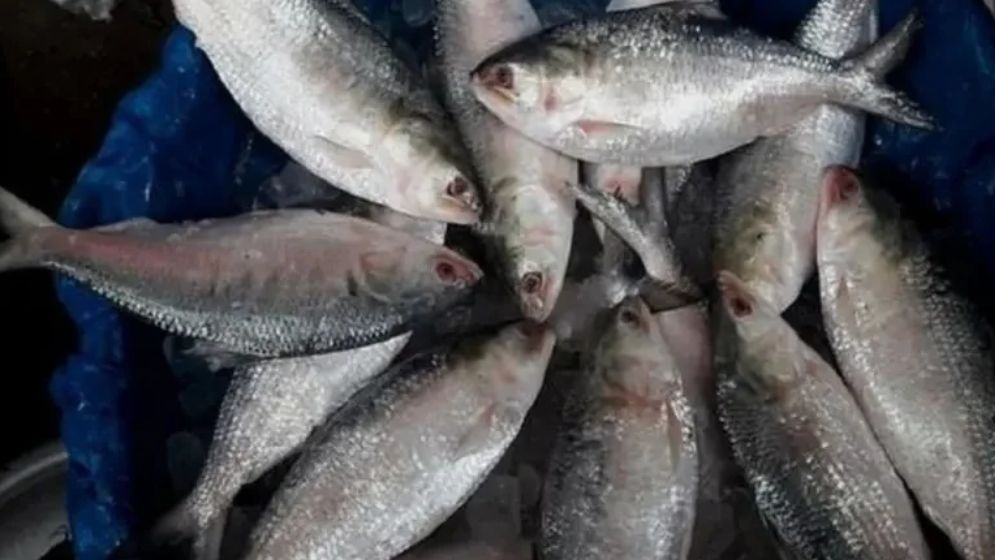
File Photo: Collected
An eight-month nationwide ban on catching jatka (juvenile hilsa measuring less than 25 centimetres) in rivers and the sea will begin at midnight on Saturday to protect juvenile hilsa and boost the country's hilsa production.
The ban will remain in force until 30 June 2027, according to a press release issued by the Ministry of Fisheries and Livestock on Saturday.
Under the restriction, catching, transporting, marketing, buying, selling and storing hilsa measuring less than 25 centimetres will be completely prohibited.
The ministry said the measure aimed to ensure the safe growth of juvenile hilsa, which are currently found in the country's coastal rivers and estuaries after hatching.
The ban follows the 22-day mother hilsa conservation drive conducted from 8 to 29 October during the peak breeding season to protect mature hilsa.
The ministry said eggs laid by spawning hilsa hatch into larvae, which remain in the country's coastal rivers and estuaries for five to eight months during their early growth stage.
Protecting these juvenile fish during this period is essential to ensuring sustainable hilsa production, it added.
Violations of the restriction will be punishable under the Fish Protection and Conservation (Amendment) Ordinance, 2025, and the Fish Protection and Conservation Rules, 1985.
Offenders may face up to two years of rigorous imprisonment, a fine of up to Tk5 lakh, or both.
The Department of Fisheries will enforce the ban across the country with support from district and upazila administrations, the Navy, Coast Guard, river police, Special Response Battalion (SRB) and other local law enforcement agencies.
The ministry said strict enforcement was necessary to ensure the survival of juvenile hilsa and protect the country's future production.