


 For all latest news, follow the Daily Sun's Google News channel.


Bangladesh launches national platform to tackle plastic pollution
Daily Sun Report, Dhaka
Published: 13 Oct 2026, 12:17 PM
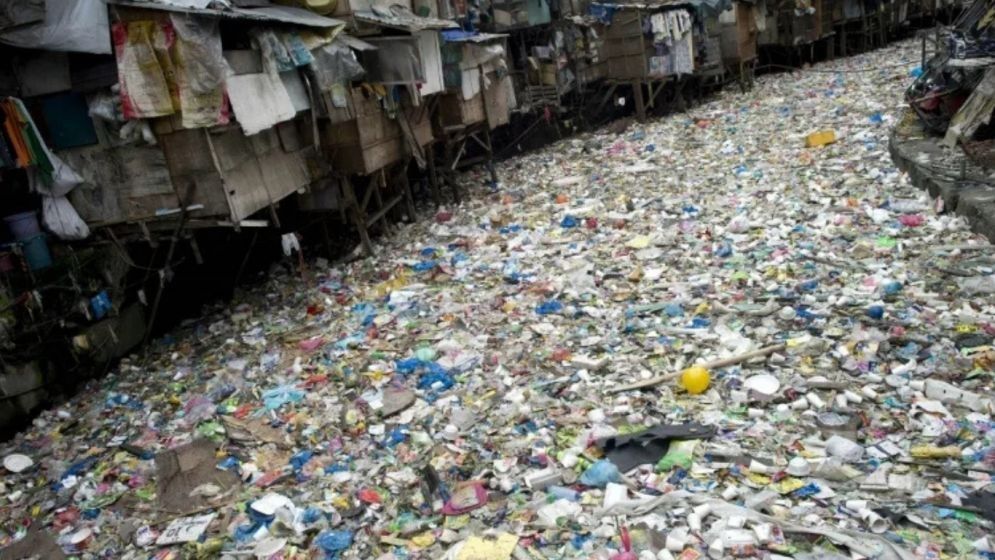
Bangladesh launches national platform to tackle plastic pollution. File Photo
Bangladesh has launched the National Plastic Action Partnership (NPAP) to coordinate efforts among government agencies, businesses, development partners and civil society to tackle plastic pollution and promote a sustainable circular economy.
Environment, Forest and Climate Change Minister Abdul Awal Mintoo inaugurated the initiative at a national conference in Dhaka on Tuesday, calling for stronger coordination and effective implementation of plastic waste management policies.
The partnership brings together the United Nations Development Programme (UNDP) Bangladesh, the Ministry of Environment, Forest and Climate Change, the Department of Environment and the World Economic Forum’s Global Plastic Action Partnership.
Speaking as the chief guest, Mintoo thanked UNDP Bangladesh and the Global Plastic Action Partnership for working with the ministry and the Department of Environment to establish the platform.
“Today is an important moment as we move from recognising the challenges of plastic pollution towards building stronger systems to address them,” he said.
The minister said plastic pollution affects cities, rivers, wetlands and coastal areas, posing risks to public health and ecosystems. Plastic production and consumption are also closely linked to trade, employment, businesses and everyday life, he added.
He stressed that addressing the problem requires action across the entire plastics value chain, rather than focusing only on waste disposal.
A circular economy can help reduce plastic consumption, extend the life of materials, increase reuse, improve waste collection and keep valuable resources in circulation for longer, he said. Such an approach could also create social and economic opportunities alongside environmental benefits.
Mintoo highlighted the government’s newly issued Guidelines for Plastic Waste Management 2026, which define responsibilities for manufacturers, importers and brand owners and establish a framework for collection and recycling.
Under the guidelines, producers can meet their obligations individually or collectively through producer responsibility organisations.
Describing the guidelines as a significant policy step, the minister said their success would depend on effective enforcement, reliable data, cooperation among stakeholders, adequate collection and recycling infrastructure, functioning markets and greater transparency and accountability.
“Policies achieve their purpose only when they can be implemented effectively,” he said, emphasising collaboration among producers, regulators, researchers and local authorities.
Bangladesh was not starting from scratch, as various institutions were already working on plastic waste management, Mintoo said. The NPAP would bring these efforts together, address information gaps and link policies with implementation, innovation with markets, and priorities with investment.
He urged businesses to develop innovative materials and industrial solutions, universities and research institutions to strengthen the evidence base, and development partners to align their support with national priorities. Financial institutions were also encouraged to explore investment opportunities in the circular economy.
The minister called on civil society organisations to ensure community voices were represented in discussions and urged people working in waste collection, sorting and recycling to share their practical experiences and needs.
He said the partnership’s success should be measured not by the number of meetings held but by its contribution to policy implementation, stronger evidence and collaboration, increased investment, wider adoption of practical solutions and improved working conditions for waste-sector workers.
The conference, held under the theme “Unifying Action to Move to a Circular Economy”, brought together around 150 representatives from government agencies, the private sector, development organisations, civil society, academia, research institutions and the waste management sector.
The NPAP aims to strengthen coordination, improve plastic waste management and encourage greater responsibility across the plastics value chain to support a more inclusive and sustainable circular economy.