


 For all latest news, follow the Daily Sun's Google News channel.


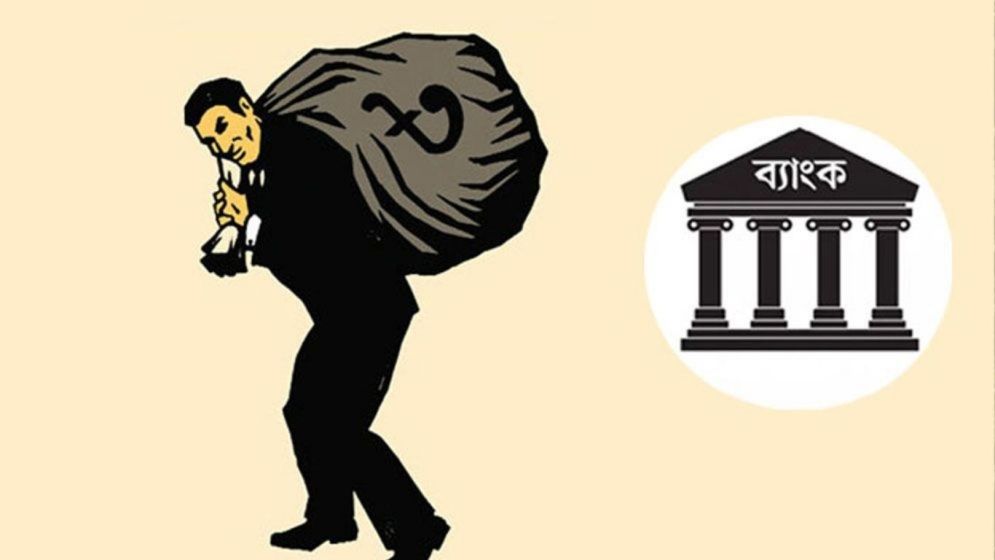
Money laundering from Bangladesh through various channels continues unabated. Money is being taken abroad to purchase houses, cars, land and flats, as well as to invest in businesses and other commercial assets, often through illegal means.
Experts say identifying the sources and destinations of such funds is crucial. At the same time, they emphasise the need to create a safe, profitable and predictable investment environment at home so that people do not feel compelled to take their money abroad.
Large-scale money laundering continued during the previous Awami League government and also persisted during the interim government. Although the tendency has declined under the current democratic government, it has not stopped, according to officials and data from the Anti-Corruption Commission (ACC), Bangladesh Financial Intelligence Unit (BFIU), National Board of Revenue (NBR) and Criminal Investigation Department (CID).
Experts say the country needs to strengthen the capacity, transparency, accountability and effectiveness of the agencies responsible for preventing money laundering. They also stressed greater cooperation and coordination among the agencies concerned.
The BFIU organised a national workshop on money laundering and terrorist financing risk assessment on September 1. The BFIU, Bangladesh Securities and Exchange Commission (BSEC) and Dhaka Stock Exchange (DSE) also held a joint workshop on May 13, while a conference of Chief Anti-Money Laundering Compliance Officers (CAMLCOs) was held on May 8-9.
According to a March report by Global Financial Integrity (GFI), Bangladesh recorded around $68.30 billion in trade-related illicit financial flows between 2013 and 2022, averaging about $6.83 billion a year. The amount is equivalent to around Tk 83,800 crore annually.
The White Paper Committee estimated that around $234 billion was siphoned out of Bangladesh between 2009 and 2023, with an annual average of about $16 billion.
Bangladesh Bank data show that Bangladeshi companies made net foreign investments of $2.578 million in 2025. Their total overseas investment stood at $331.08 million at the end of the year, spread across 18 countries.
Meanwhile, the BFIU received 30,199 suspicious transaction and activity reports in the 2024-25 fiscal year, an increase of 74 percent from the previous year. Officials said regulatory oversight, compliance and monitoring have increased following the political change in the country.
According to the Swiss National Bank, Swiss banks held CHF 834.2 million in accounts in the names of Bangladeshi citizens and Bangladeshi banks in 2025. The amount was equivalent to around Tk 12,763 crore, marking an increase of about 41 percent.
At the same time, preliminary data from the Bangladesh Bureau of Statistics (BBS) showed that private investment as a share of GDP fell to 21.53 percent in fiscal 2025-26, the lowest level since 2012-13.
Bangladesh Bank spokesperson and Executive Director Arif Hossain Khan said the BFIU was strengthening coordination among the agencies concerned to prevent money laundering. A steering committee involving customs, tax authorities and law enforcement agencies is also working on the issue.
However, the data on authorised overseas investment do not cover private purchases of houses, apartments, second homes or bank assets abroad. Therefore, the total value of assets held overseas by Bangladeshis may be much higher than official figures suggest.
Experts say money is often transferred abroad through over-invoicing and under-invoicing, fake import and export transactions, manipulation of the quantity and value of goods, and the use of multiple companies to route funds. The hundi system is another common channel for transferring money outside formal banking systems.
Finance Minister Amir Khosru Mahmud Chowdhury said on June 9 that the government was taking measures to ensure good governance and prevent money and capital from being transferred out of the country.
He said the legal framework had been updated in line with international standards. The government has also taken steps under the Money Laundering Prevention Act and introduced measures to establish a beneficial ownership registration system.
A BFIU official, speaking on condition of anonymity, said investigators had traced funds to several jurisdictions, including Cyprus, the Philippines, India, Luxembourg, the British Virgin Islands, Jersey, Guernsey, the Isle of Man, and Saint Kitts and Nevis.
Dr Iftekharuzzaman, executive director of Transparency International Bangladesh (TIB), said the government must take effective measures to prevent tax evasion and invoice fraud. He stressed the need to strengthen the NBR and address collusive corruption.
He also called for Bangladesh to join the Common Reporting Standard (CRS), introduce a strong beneficial ownership transparency law, and improve coordination among the ACC, BFIU, NBR and CID.
Dr M Masrur Reaz, chairman of Policy Exchange Bangladesh, said preventing money laundering also requires making domestic investment more attractive.
He said investors need safe assets, stable business rules and predictable returns. Among the key priorities, he identified faster investment approvals, effective one-stop services, long-term stability in tax and industrial policies, access to land, reliable electricity and gas supplies, improved transport and port facilities, and long-term bank financing.
Investment Bangladesh has incorporated deregulation, tax stability and strategic incentives into its 2026-27 plan to attract investment. Its Chairman Ashik Chowdhury has stressed that policy continuity and effective implementation on the ground will be crucial.
Experts say combating money laundering cannot be limited to law enforcement and monitoring by banks. Authorities also need to analyse commercial data and integrate information from customs, tax and banking systems.
They also stressed the importance of identifying beneficial owners, exchanging financial information with foreign jurisdictions, freezing illicit assets and improving the domestic investment environment.
They said ensuring the safety of domestic investment, maintaining policy continuity, simplifying approval procedures and ensuring access to financing and fair returns could help keep savings and investment within the country.
Making illegal transfers more costly, difficult and risky is also essential to preventing money laundering, they said.
SANEM Executive Director and economist Selim Raihan said accurate information, stable policies, effective institutions and an accountable investment environment would determine whether entrepreneurs keep their money in Bangladesh or seek opportunities abroad.
MCCI President Kamran T Rahman said the lack of communication between policymakers and the business community was hurting business confidence. Investors, he said, were closely watching the situation and waiting for greater stability.