


 For all latest news, follow the Daily Sun's Google News channel.


JS discusses energy issues following opposition’s motion
Debate rocks parliament over Gazi Nazrul incident
Daily Sun Report, Dhaka
Published: 07 Sep 2026, 08:51 PM
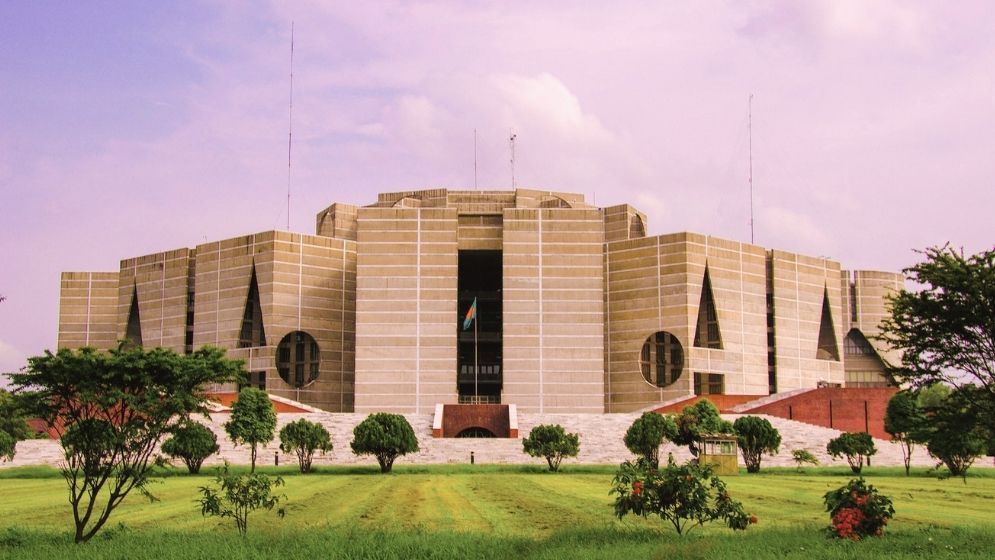
File Photo
The Jatiya Sangsad (JS) on Monday witnessed a heated discussion over the country’s worsening fuel, gas and energy crisis issue.
A debate also rocked the house over the inclusion of
expelled Jamaat-e-Islami MP Gazi Nazrul Islam in a parliamentary standing
committee.
The discussion on the energy situation took place
following a notice moved under Rule 68 of the Rules of Procedure by Leader of
the Opposition and Ameer of Bangladesh Jamaat-e-Islami Shafiqur Rahman.
In his notice, the opposition leader said that the
acute shortage of fuel and gas is disrupting power generation, forcing industrial
factories to shut down and creating the risk of rising unemployment.
He called upon the government to take effective
measures to avert what he described as a potentially devastating impact on the
national economy.
The issue triggered discussion and debate in the house.
Home Minister Salahuddin Ahmed and some other MPs from treasury and opposition
benches also took part in the discussion.
With energy
shortages continuing to affect economic activity, the lawmakers stressed the
importance of finding a sustainable solution rather than relying solely on
short-term emergency measures.
Meanwhile, the opposition leader and the home minister
engaged in a heated exchange on the issue of Gazi Nazrul Islam. The discussion
began when Chief Whip Nurul Islam Moni said that Gazi Nazrul Islam had
previously served on several parliamentary standing committees but was removed
following a letter and request from the opposition leader.
Taking the floor, Opposition Leader Shafiqur Rahman
said that the opposition had sought clarification because Gazi Nazrul Islam had
not been nominated from their quota for committee membership. He said the
opposition had not proposed his inclusion and argued that, since Nazrul had
been expelled from the party on ethical grounds, it would be appropriate and
morally justified not to appoint him to a committee of the country’s highest
legislative institution.
In response, Home Minister Salahuddin Ahmed referred
to Article 70 of the Constitution and said Gazi Nazrul Islam had refrained from
voting in the presidential election against the party’s decision.
He suggested that if the opposition leader sent a
letter to the Speaker or the Election Commission invoking Article 70, Nazrul’s
parliamentary seat could potentially become vacant.
The opposition leader, however, rejected the
argument, saying there was no scope for the opposition to newly claim that
Nazrul had violated the party’s decision through floor-crossing because he had
already been expelled from the party.
He also argued that abstaining from voting did not
constitute floor-crossing and therefore did not fall within the scope of
Article 70.