


 For all latest news, follow the Daily Sun's Google News channel.


Bill on replacing RAB with SRB tabled amid calls for bipartisan review
Daily Sun Report, Dhaka
Published: 04 Sep 2026, 07:15 AM
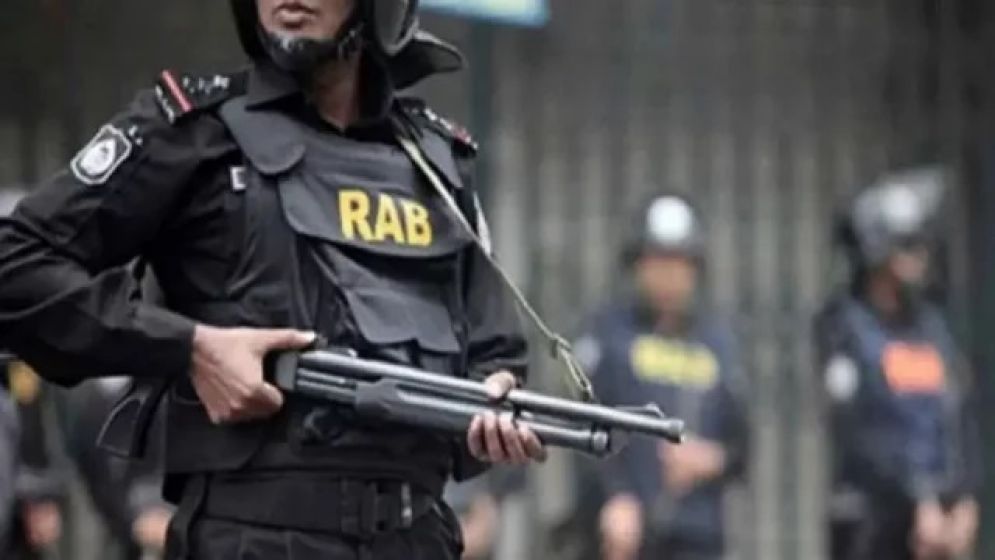
The government on Thursday placed the draft law at the
parliament proposing to replace the controversial RAB elite force with SRB, but
the Opposition raised concerns over “superficial changes,” and called for
broader discussions over the matter.
Home Minister Salahuddin Ahmed placed the Special Response
Battalion (SRB) Bill, 2026, in parliament.
The bill seeks to repeal the legal provisions under which
RAB was formed and establish the SRB as a specialised unit under the police.
Opposition Chief Whip Nahid Islam objected, saying RAB
should be completely abolished for its globally condemned roles in gross human
rights violations. The need for creating a new specialized unit must first be
discussed by lawmakers at the parliament, Nahid said.
RAB had become nationally and internationally controversial
over allegations of enforced disappearances, extrajudicial killings and secret
detention during the Awami League government.
He said all political parties had pledged before the
election to abolish RAB and questioned the move to establish what he described
as another institution under a different name.
Opposition Leader Shafiqul Rahman also supported the
abolition of RAB but called for further consideration before establishing a new
agency.
In response, Home Minister Salahuddin said the government’s
electoral commitment was that there would be no organisation called RAB, and
the bill was intended to fulfil that commitment while retaining the need for a
specialised police unit.
He said the fact that a former Inspector General of Police,
Benazir Ahmed, had been accused of wrongdoing could not be a reason to abolish
the police force itself.
The minister said the proposed SRB would have stronger provisions for accountability and transparency than RAB. He urged opposition lawmakers to participate in the parliamentary committee’s scrutiny of the bill and place their recommendations there.
The bill was ultimately placed at the parliament session, and sent to the relevant standing committee for scrutiny.