


 For all latest news, follow the Daily Sun's Google News channel.


Fertiliser shortage threatens tea production in northern districts
Daily Sun Report, Panchagarh
Published: 24 Jun 2026, 12:00 AM
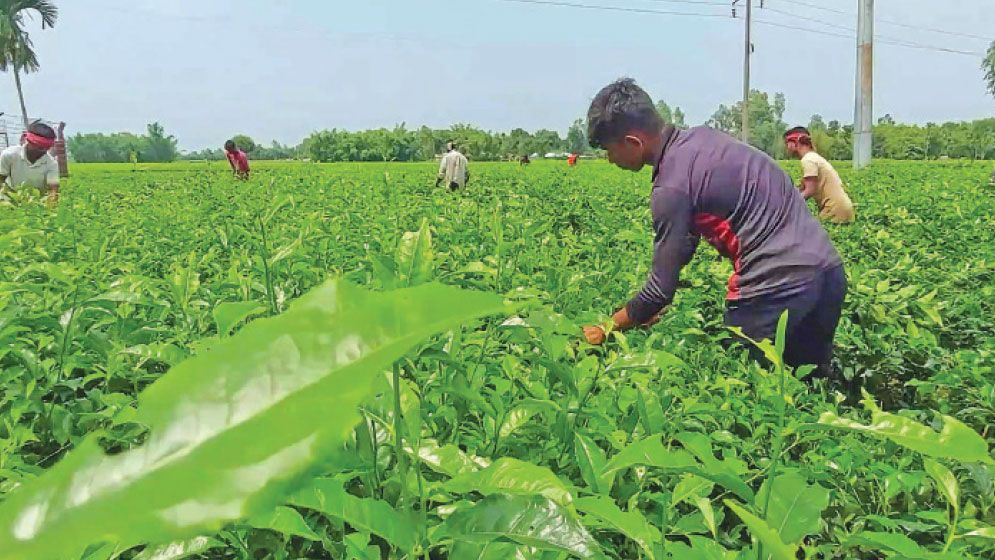
Small tea growers in the northern districts, including Panchagarh, are reportedly struggling to maintain their tea gardens during the peak season due to an acute shortage of fertilisers, raising concerns over a possible decline in tea production.
Farmers said they are unable to purchase the required amount of fertiliser from the market, while dealers appointed by the Department of Agricultural Extension (DAE) also lack sufficient stock to meet demand.
According to sources at the Bangladesh Tea Board, around 9,000 registered and unregistered tea gardens, both large and small, are operating across Panchagarh, Thakurgaon, Lalmonirhat, Dinajpur and Nilphamari districts on approximately 11,600 acres of land. The northern region, now regarded as the country's second-largest tea-producing zone, contributes nearly 22% of national tea production.
Tea board officials said that this season around 2,000 tonnes of urea, 507 tonnes of TSP and 1,100 tonnes of MOP fertiliser were supplied to tea gardens. However, growers claim the allocation is insufficient to meet actual demand. Officials of the Department of Agricultural Extension said no separate fertiliser allocation is made for tea cultivation. Fertilisers supplied by the ministry are allocated primarily for major crops such as Boro and Aman rice, wheat, vegetables and other agricultural produce, Abdul Matin, deputy director of the DAE in Panchagarh, said.
As tea farmers also depend on the same fertiliser stock, shortages have intensified during the peak cultivation season, he added.
Amir Hossain, officer-in-charge of the Bangladesh Tea Board's Panchagarh regional office, said tea cultivation in the northern region is expanding every year, particularly among small growers.
Both the DAE and Tea Board officials said the issue has been raised repeatedly with the relevant authorities, but a long-term solution remains elusive.
Tea growers warned that failure to ensure timely fertiliser supply could significantly reduce tea production, affecting farmers' incomes as well as government revenue from the country's growing tea industry.