


 For all latest news, follow the Daily Sun's Google News channel.


PM explains rationale behind Family Card initiative
Daily Sun Report, Dhaka
Published: 16 Jun 2026, 10:04 PM
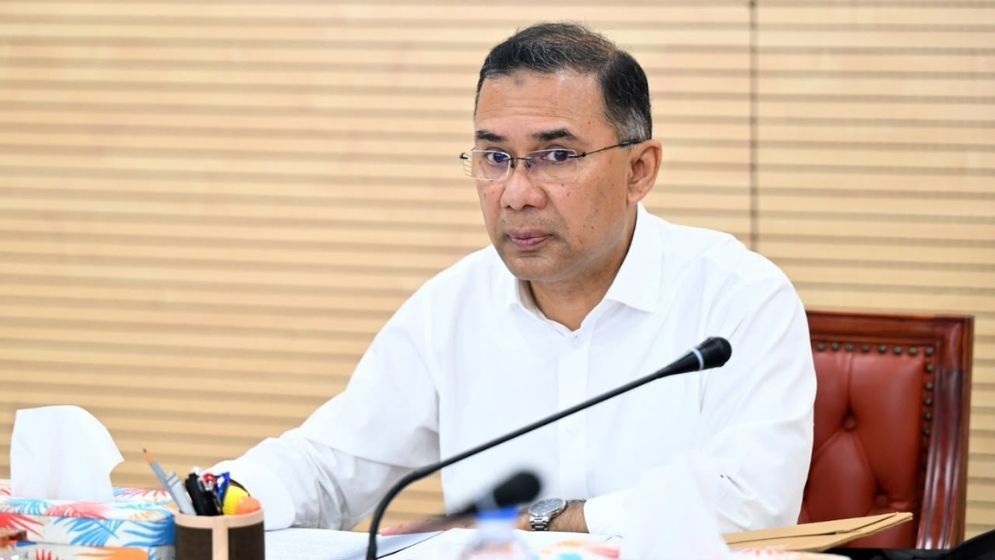
Prime Minister Tarique Rahman. File Photo: PMO
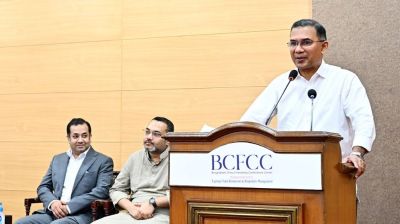
Prime Minister Tarique Rahman on Tuesday explained the rationale behind the government's much-discussed Family Card programme, saying the initiative was designed to strengthen household welfare and stimulate local economic activity.
Speaking at an exchange of views with
journalists at the Bangladesh-China Friendship Conference Centre in the capital’s
Agargaon, he said research on the programme began in 2011.
“We started researching the Family Card concept in 2011. Adviser and spokesperson Mahdi Amin was involved in the research process,” the prime minister said.
According to the findings, providing
financial assistance directly to women in households is more likely to improve
family welfare than giving the money to male family members.
“Our research showed that if the money is
given to a man, it may be spent within a week. But when it is given to a
homemaker, she tends to prioritise essential family needs such as medicines,
children's education, books and better food,” he said.
Tarique Rahman said women are also more
likely to save part of the money and eventually use those savings to start small
income-generating activities.
“Over time, some may use their savings to
raise poultry or livestock or start a small business. They may also spend on
clothing, household necessities or other family needs. This spending ultimately
supports local industries and businesses,” he said.
The prime minister argued that the programme
will have a multiplier effect on rural economies by increasing local
consumption and creating employment opportunities.
“If 300 women in a village receive Tk2,500
each month, that means Tk750,000 enters the local economy every month. Grocery stores
and small businesses will see higher sales, and many shop owners may need to
hire additional workers,” he said.
He said the same economic principle will
apply to the proposed Farmers Card programme.
“We want to economically empower the nearly
75% of people who live in rural areas. This money is not being siphoned out of
the country; it remains within our economy and indirectly supports domestic
industries,” he said.
Tarique Rahman said the government initially
considered limiting the programme to selected beneficiaries but later opted for
a universal approach to reduce the risk of corruption.
“We realised that selecting beneficiaries
could create opportunities for irregularities. Therefore, we decided to make
the programme universal,” he said.
Under the proposed scheme, the wives of
farmers, shopkeepers, teachers and other citizens will all be eligible to
receive benefits, he added.
The prime minister said Bangladesh has around
four crore families and the government intends to gradually bring all eligible
families under the programme. However, he estimated that around 1.5 crore
families may voluntarily opt out because they do not need the support.
He said the government plans to distribute
Family Card benefits to about 4.12 million families during the first year of
implementation, starting from July this year.
Acknowledging the possibility of operational
challenges, Tarique Rahman said pilot projects had been conducted over the past
three months to minimise errors before the nationwide rollout.