


 For all latest news, follow the Daily Sun's Google News channel.


Mahfuj warns of looming political clashes ahead of election
Mahfuj added that over the past 15 years, a segment of the Sufi community aligned with the Awami League out of ideological opposition to another party
Daily Sun Report, Dhaka
Published: 25 Oct 2025, 06:22 PM
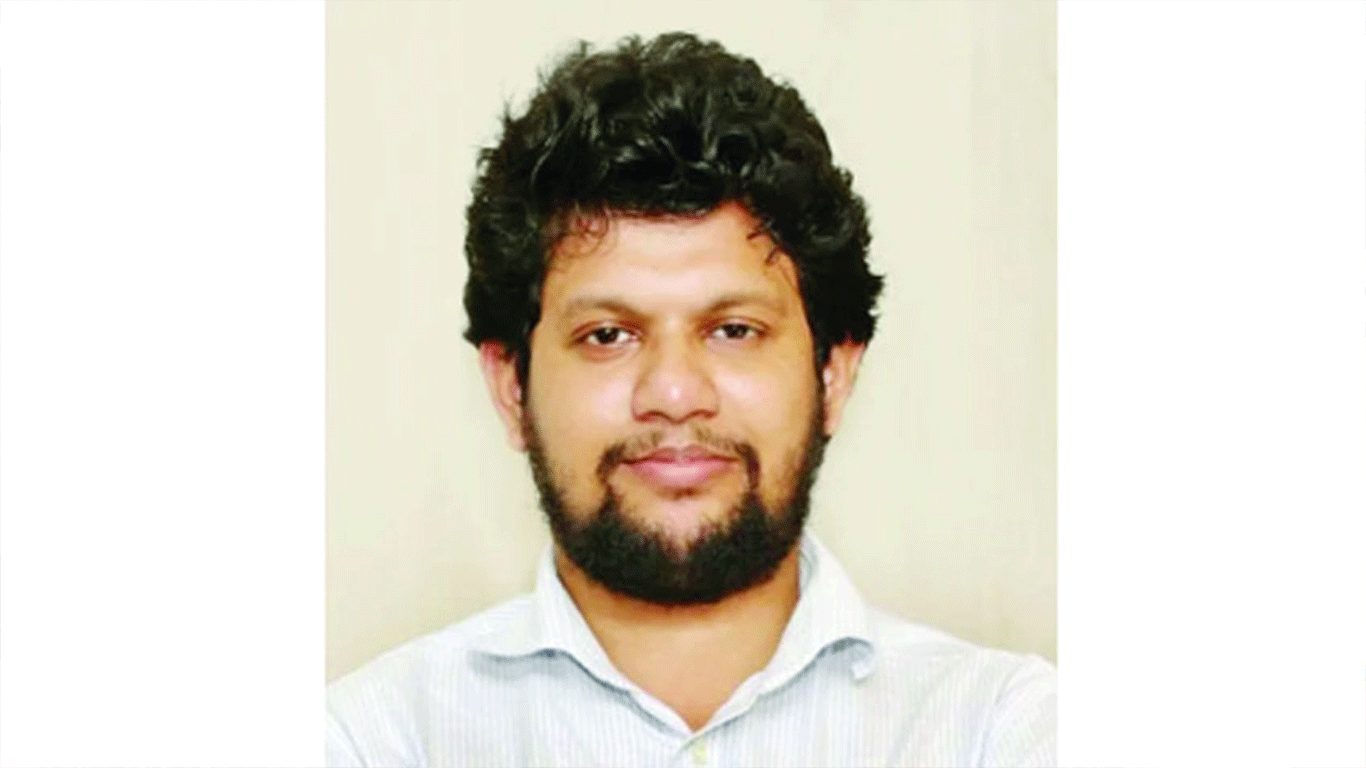
Photo: Collected
Information Adviser Mahfuj Alam has warned that political parties are preparing for conflict ahead of the upcoming national election, suggesting that clashes could erupt within the next few months.
He added that the only reason such confrontations have not yet begun is the restraint shown by the Chief Adviser’s Office.
“Everyone is waiting for conflict, and you will definitely see it within a few months,” Mahfuj Alam said, adding, “I fear that if this takes on a religious dimension, Bangladesh’s situation could become even worse.”
The adviser made the remarks on Saturday morning while addressing a national dialogue titled ‘Shrine Culture: Violence, Crisis, and Future Prospects’, held at the BM Bhaban in Segunbagicha, Dhaka.
The dialogue was organised by ‘Maqam’, a platform dedicated to research on Sufi traditions.
Mahfuj noted that the Awami League is reportedly trying to establish connections with religious ‘darbars’ (shrines), claiming that the interim government led by Prof Muhammad Yunus is allegedly demolishing mazars (shrines) and removing people from mosques.
“This issue is not about the interim government—it has been ongoing for 50 years. Whenever governments change, mosque committees and the Islamic Foundation’s governing body are reshuffled,” he said.
The adviser further observed that although state fascism may have ended, social fascism still persists.
He cautioned that unless meaningful dialogue and connections are built among the various Islamic traditions within the country, “the state will move forward in a fragile and risky way.”
“There are different religious schools among the 90–92% of Muslims in Bangladesh,” he said. “Political leaders have never tried to bring them together. Instead, they have divided them—some aligning with the Qawmi tradition, others with the Sunni—and used religious institutions as tools of politics.”
Mahfuj added that over the past 15 years, a segment of the Sufi community aligned with the Awami League out of ideological opposition to another party, expecting protection in return for political support.
“This is where religious politics got trapped,” he said, adding that the Qawmi groups have also been exploited by political actors.
Referring to the influence of some Muslim-majority countries’ embassies, the adviser said, “Certain embassies want to see shrines destroyed. There are ideological and political motivations behind this.”
He urged policymakers to address such religious tensions through state, political, and policy-level measures, rather than fear of mob violence.
“There’s frustration that nothing has changed over the past year,” he admitted. “But reacting with retaliation will not help. After recent shrine attacks, many have been arrested, and surveys are now being conducted to restore the damaged shrines.”
Mahfuj also urged shrine management committees to file legal cases following attacks, warning that “if this culture continues, one group’s version of Islam will destroy another’s mosque. Today it’s the Sufis; tomorrow it will be the Qawmis. This cannot go on.”