



 For all latest news, follow the Daily Sun's Google News channel.


54-year-old Greek woman gives birth from 22-year-old embryo
✦ Couple turns to IVF after losing only son in road crash ✦ Age limit leaves them unable to use nine remaining embryos

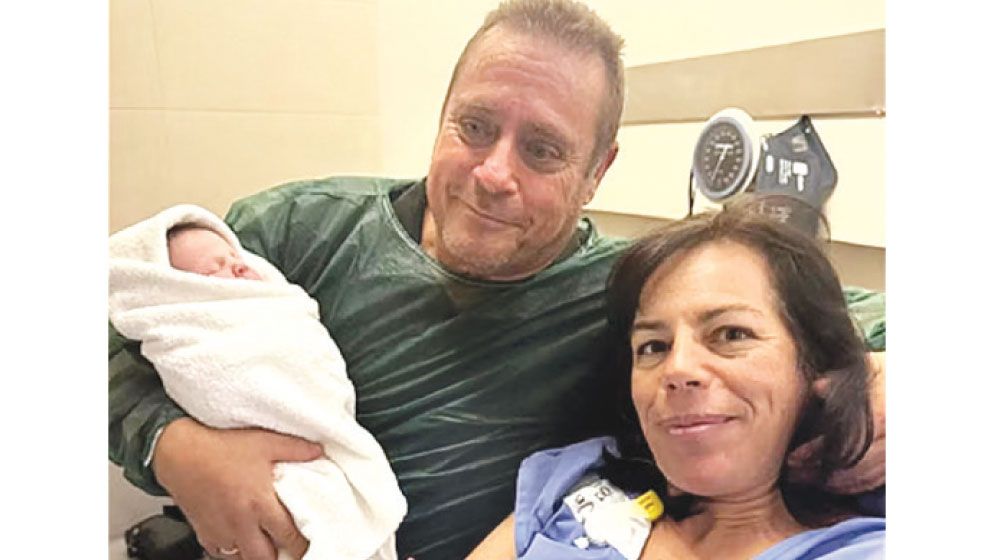
A 54-year-old Greek woman has become a mother again using an embryo that had been frozen for 22 years, giving birth to a baby girl through IVF at a hospital in Athens last Wednesday.
Christina Rapti-Tzelepi and her husband Konstantinos decided to start a new chapter in their lives after losing their only child, 21-year-old Giorgos, in a road accident last year. Giorgos had also been born through IVF.
With Greece setting the upper age limit for women undergoing IVF at 54, Christina had little time to complete the necessary procedures.
Under medical supervision, she underwent the process within just two and a half months.
One of the couple’s embryos, which had been preserved for more than two decades, was transferred to Christina’s uterus in December last year.
She subsequently became pregnant and gave birth to Georgia last Wednesday. The baby weighed 3.49kg at birth.
Doctor Konstantinos Pantos said the couple still have nine embryos in storage. Although they would like to have another child in the future, Greece’s legal restrictions mean they can no longer use the remaining embryos.
After the birth, Christina said they had taken the decision in an effort to start their lives anew. Georgia’s arrival, she said, had brought joy back to their home after the loss of their son.
The case has also reignited debate in Greece over the age limit for IVF. Christina’s 60-year-old husband, Konstantinos, has called for the restriction to be reconsidered.
The birth is not, however, the oldest known case involving a long-frozen embryo. In the US state of Ohio, a baby was born in 2024 from an embryo that had been frozen for about 31 years.