


 For all latest news, follow the Daily Sun's Google News channel.


 Six days. Every World Cup mints a new superstar. But once in a generation, a player arrives who does something so consistently, across so many years, that the tournament itself starts to feel like it was built around them.
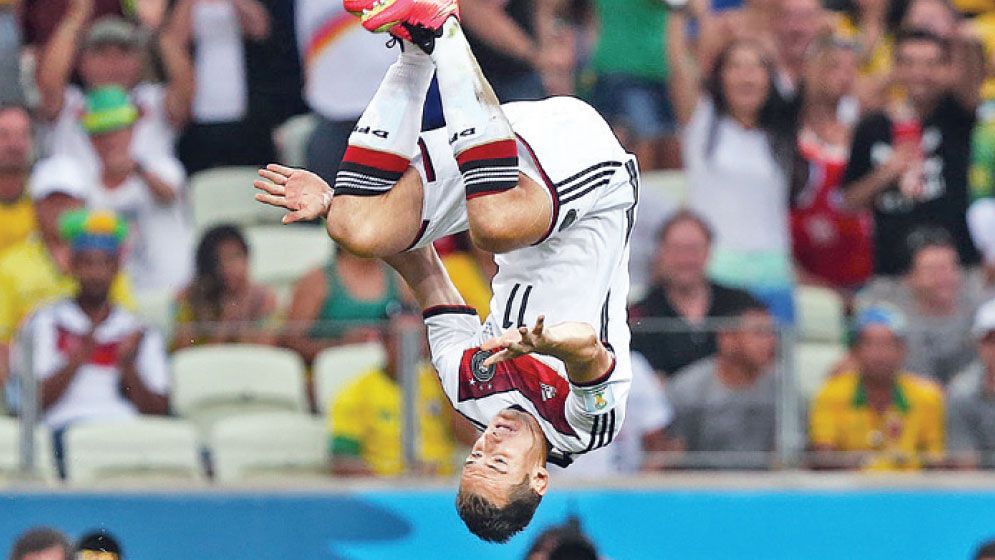
Miroslav Klose scored in 2002. Then in 2006 on home soil, five goals, Torjäger of the tournament. Then in 2010 in South Africa, four more. Then in 2014 in Brazil — deep into his thirties, slower, greyer, but still arriving at exactly the right place at exactly the right moment — he came off the bench against the host nation and slotted the ball past Júlio César to make it 2–0 in a semifinal that finished 7–1. That goal made him the highest scorer in World Cup history. He wheeled away, arms raised, with the particular calm of a man who had simply been doing this for so long that even a record felt routine.
What made Klose remarkable was not flash. He was not Maradona dribbling through seven defenders. He was not Pelé improvising the impossible. He was a centre-forward of extraordinary intelligence and relentless patience — a man who understood space, timed his runs with the precision of a metronome, and finished with a simplicity that made it look easy because he had spent twenty years making sure it was.
Sixteen goals. Four tournaments. One World Cup winners' medal, earned at thirty-six. When the tournament comes around again, someone somewhere will try to catch him. They will not.