



 For all latest news, follow the Daily Sun's Google News channel.


Cyberattack hits India’s top lender State Bank of India
India Today
Published: 23 Oct 2026, 08:38 PM
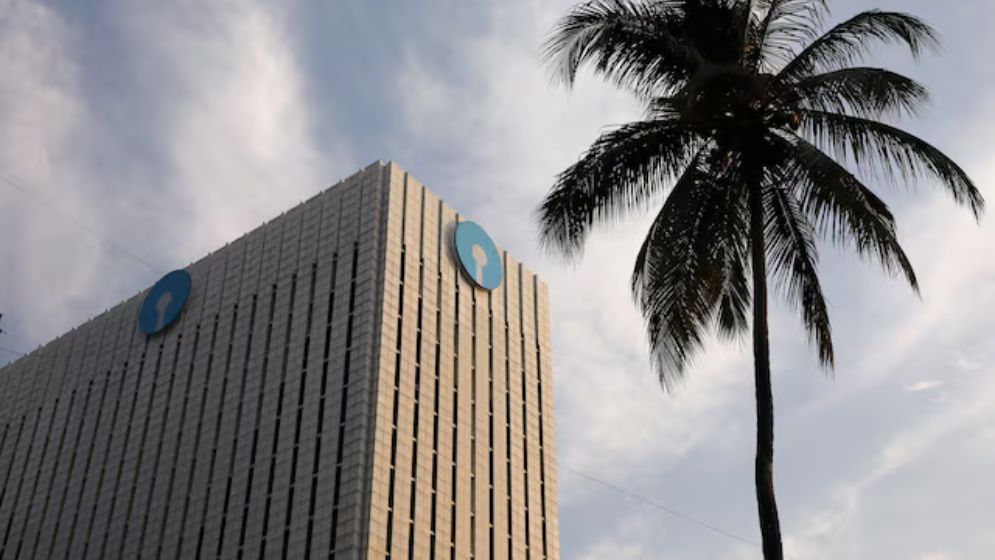
The logo of State Bank of India (SBI) is seen on the facade of its headquarters in Mumbai, India, 12 April 2023. Photo: Reuters
The State Bank of India (SBI) has individually informed all customers who were impacted by a cyberattack that exposed customer records online. In a post on X, SBI stated that it had notified those customers through email and WhatsApp.
“Further to our earlier post regarding the recent cyber
incident, the Bank has individually informed all customers whose data was
identified as being involved, through email and/or WhatsApp,” the bank said.
“We reiterate that your account balances and funds are safe with us.”
The bank advised customers to follow safe digital banking
practices and stay cautious while making online transactions. “Never share
their OTP, PIN or password with anyone, and remain vigilant against suspicious
calls, messages and emails,” SBI added.
Nearly 3,900 customer
records exposed
The update comes after SBI disclosed that the cyberattack
had exposed 3,897 customer records. These records contained personally
identifiable information (PIF) including names, emails, phone numbers, and loan
details.
A hacker group, that goes by the name, Siriusim, claimed to
have breached SBI’s systems, and put this data on sale on the dark web. Though
SBI did not name the source of the attack.
SBI received alerts about the suspected exposure on 16 October from its threat intelligence service provider, the Defence Cyber Agency and the Indian Computer Emergency Response Team, or CERT-In.
In an earlier statement, SBI clarified that the attack had
no material impact on its IT systems, core business operations, financial
performance or business continuity.
“We reiterate that safety of our customers' financial
assets, data and their trust in us remain our highest priorities,” the bank
said.
According to the bank, a detailed investigation is being
conducted into the incident. The hacker group had originally claimed that they
had access to 3.75lakh rows of data in CSV format and 2,722 PDF files,
including sensitive personal information.