



 For all latest news, follow the Daily Sun's Google News channel.


US conducts sixth night of Iran strikes; Tehran hints at Red Sea closure
Reuters, Dubai
Published: 17 Jul 2026, 12:04 AM
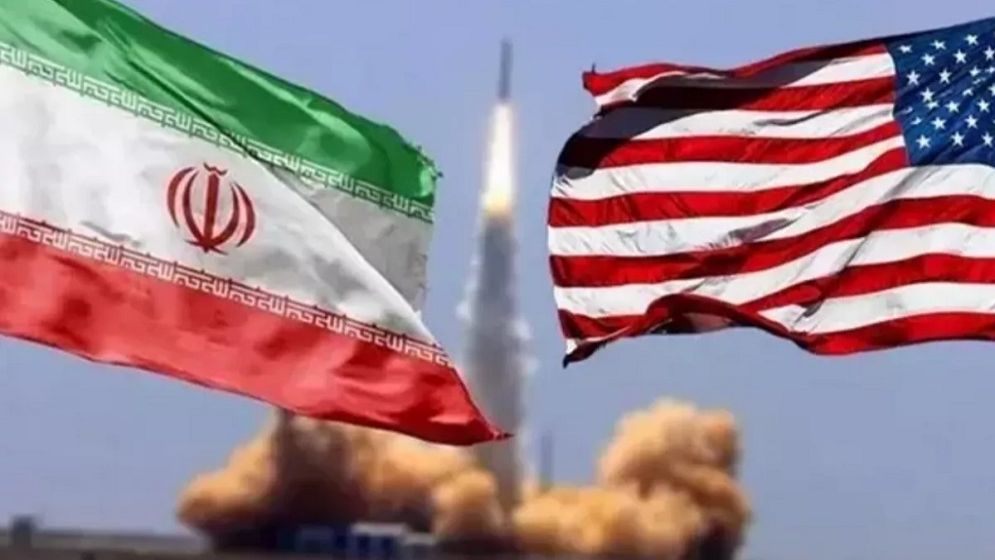
Iran and the United States exchanged intensifying fire on
Thursday in a week-long escalation that has largely unravelled last month's
truce, while Tehran disputed President Donald Trump's claim that a US citizen
had been released.
The US military said it launched a sixth night of
consecutive strikes on Iran on Thursday "to further degrade Iranian
military capabilities." For the first time since a memorandum of understanding
paused fighting last month, two big waves of US air strikes hit Iran in a
single day on Wednesday, mostly aimed at its southern coast.
Tehran has countered with missiles and drones targeted at US military bases in neighbouring states including a recently expanded air base in Jordan that Iran said was used in a US attack on an Iranian children's cancer hospital on Wednesday night.
On Thursday evening, US projectiles struck Qeshm Island and
near Bandar Abbas — home to Iran's largest port and key navy and Revolutionary
Guards facilities — both on the
Strait of Hormuz. Several locations in Bandar Abbas were hit by projectiles,
the semi-official Mehr news agency reported.
Iranian news outlets also reported US strikes late on
Thursday on three bridges and the train station in coastal Bandar Khamir and a
US missile attack on Iranshahr Airport in southeastern Iran.
After Tehran resumed its blockade of the Gulf through the
Strait of Hormuz, Washington again blockaded Iranian ports from Wednesday. The
US military said it fired on a tanker near Iran's Kharg Island, with Hellfire
missiles hitting its smokestack.
For one of its next moves, Iran has signalled it could prod
its Houthi allies in Yemen to close another key strait: the Bab al-Mandeb at
the mouth of the Red Sea. Sources told Reuters Iran had already told the
Houthis to shut it if Washington carries out threats to attack Iran's
infrastructure.
The week of increasingly intense fire has tested the limits
of escalation that both sides set during four months of fighting before last
month's truce. But as the attacks unfurled, US President Donald Trump hailed
the release of a US citizen in Iran as a "gesture of goodwill".
Human rights lawyer Jared Genser identified her as Dena
Karari, who he said had been "trapped in Iran since December 2024 on bogus
charges" and was "now safe and traveling back to the United
States". There was no comment from Iran on the case.
On Thursday, however, Iran's judiciary challenged that
account, saying no American prisoner had been released or exchanged from
Iranian prisons, according to state media.
Over decades of confrontation, the release of US citizens
held in Iran has been managed through behind-the-scenes contacts that persisted
when formal diplomacy was cut off.
Shipping halted again
The re-escalation has once again largely halted traffic
through Hormuz, the world's most important shipping route for oil and gas,
pushing up global energy prices.
Iran triggered the renewed fighting last week by striking
ships moving through a corridor in the strait, provoking a dangerous fire on board
a Qatari tanker filled with liquefied natural gas.
Iranian sources told Reuters that Iran's aim was to
establish its authority over the strait, although otherwise Tehran is not keen
on a wider escalation that would torpedo June's preliminary deal, which it
still regards as giving it most of what it sought.
Within Iran, the renewed bombing has left residents anxious,
following huge week-long memorial events for slain Supreme Leader Ayatollah Ali
Khamenei that the authorities depicted as a demonstration of victory and
national solidarity.
"Living with this fear that war could start again is
very exhausting. You cannot live like this. We are tired of war. What is our
sin that we have to live this way? Personally, I want diplomacy to
prevail," Mahlegha, 46, a government employee, told Reuters by phone
message from Tehran.
Iran says US strikes can't break its grip on Strait
Iran wants all ships using the Strait of Hormuz to travel
only through a channel close to its shores, and has made no secret that it intends
to charge passage fees at the end of a 60-day negotiation period set in last
month's memorandum.
Washington has encouraged ships to use an alternative route
to the south, along the Omani coast.
US forces say their airstrikes have hit Iranian military
targets along the coast to cripple its ability to control the strait. Iranian
military spokesperson Brigadier General Mohammad Akraminia said on Thursday
this would never work because Iran can strike the strait from anywhere on its
territory.
Three US officials told Reuters that US strikes could also
serve as "shaping operations", giving Trump more options by targeting
Iranian military capabilities that the US would want to have destroyed before
taking bigger steps. "This is helping set the stage, if needed," one
of the officials said.
Trump has not ruled out the possibility of using ground
forces, including to seize Kharg Island, site of Iran's main oil export
terminal. He has repeated threats to hit Iranian power plants and bridges next
week unless Tehran resumes negotiations.
Akraminia said that if Trump carried out that threat, Iran's
armed forces would strike "all remaining infrastructure" across the
region.
Alex Vatanka, senior fellow and director of the Iran program at the Middle East Institute in Washington, said the warring sides were "back to square one", reaching the limits of what they can achieve in the context of limited war and would eventually face a choice of whether to back down or escalate.