


 For all latest news, follow the Daily Sun's Google News channel.


Saudi minister says it will take time for oil-producing countries to ramp up output
Al-Jadaan noted that the current ceasefire would expire in a few days
Reuters, Washington
Published: 18 Apr 2026, 10:18 AM
File Photo
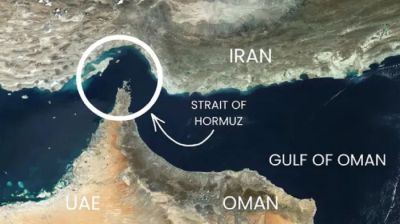
Saudi Finance Minister Mohammed Al-Jadaan on Friday welcomed news that Iran would reopen the Strait of Hormuz, clearing the path for oil shipments to resume, but warned the situation in the Middle East would remain very fragile until a durable de-escalation was achieved.
Certain countries would be able to restore their
production capabilities quickly, but others would need more time, depending on
the extent of the damage they suffered, Al-Jadaan, who chairs the International
Monetary and Financial Committee (IMFC), which advises the International
Monetary Fund, told reporters.
The biggest challenge was not how much production of
oil and natural gas could be ramped up, but whether insurers would feel
comfortable backing shipments, he said at a briefing during the IMF and World
Bank spring meetings in Washington.
"The hope is that we will see a serious,
serious, credible de-escalation," Al-Jadaan said. "The worry that we
have, and I can tell you from a country with possibly the most experience in
this field ... is convincing insurance companies to actually start insuring at
a time when there is no agreement on cessation of hostilities."
Al-Jadaan noted that the current ceasefire would
expire in a few days, and said he hoped it would be extended, resulting in a
de-escalation. "But until that, I don't think insurance companies would
respond. I don't think owners of tankers would respond. And it will take a bit
of time for ... producing countries to ramp up in response."
Iran on Friday said the Strait of Hormuz was open
for the remainder of a 10-day ceasefire agreement agreed between Israel and
Lebanon on Thursday, while US President Donald Trump said talks could take
place this weekend with Iran that could soon lead to a deal ending the Iran
war.
US-Israeli strikes on Iran began on 28 February,
triggering Iranian attacks on Gulf neighbors and reigniting the
Israel-Hezbollah conflict in Lebanon. Thousands have been killed and the
conflict effectively shut the Strait of Hormuz - through which a fifth of the
world's oil and liquefied natural gas usually transits - triggering the worst
oil shock in history.
IMF Managing Director Kristalina Georgieva told the
briefing that the day's news would reduce anxiety, but didn't eliminate it. IMF
members agreed that the supply shock from the war posed a serious threat to the
global economy, she said.
"Even if the conflict ends tomorrow, the
infrastructure damage and supply disruptions will inflict a toll for some time
to come. The most vulnerable countries and people will be hit the
hardest," she said.
She said it was too soon to back away from the IMF's
most severe forecast, which sees growth dropping to 2% in 2026, bringing the
global economy to the brink of recession.
"Time is not our friend. With each passing day,
risks are rising that we will end up in a more adverse scenario, pushing us
into even lower growth and higher inflation," she said.
Georgieva said she expected about a dozen countries
to seek new programs and some five to eight countries with existing programs to
seek additional funds. Many of those hit were in Sub-Saharan Africa, she said.
IMF officials would meet with their counterparts
from the World Bank next week to compare notes and work out solutions for the
most vulnerable countries, Georgieva said, adding that the World Bank could
offer grants in some cases, while the IMF was limited to loans.