


 For all latest news, follow the Daily Sun's Google News channel.


Dhaka-Delhi ties may rebound soon
FM makes maiden India visit today; Indian envoy calls on PM

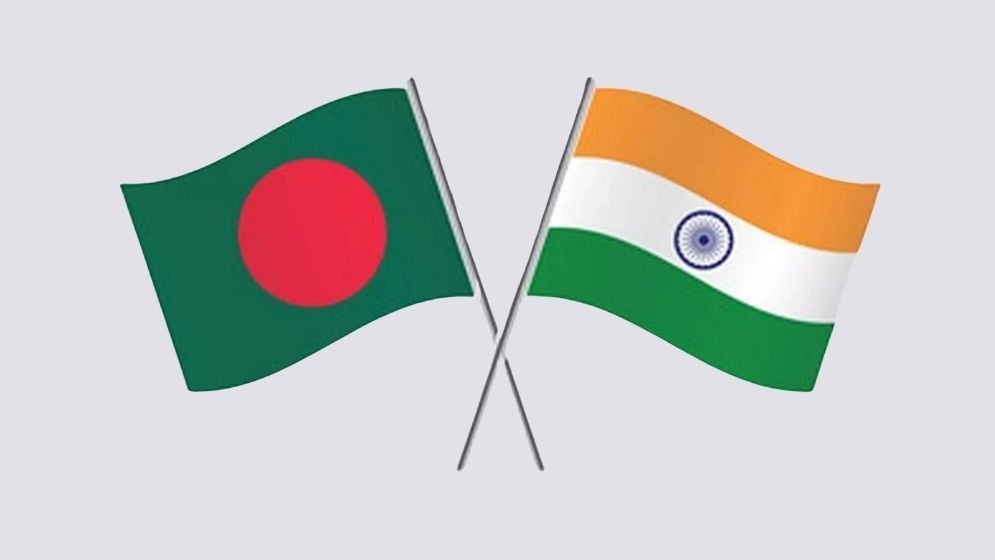
Bangladesh and India are seeking to reset bilateral relations with fresh perspectives as Foreign Minister Dr Khalilur Rahman begins his maiden visit to New Delhi under the new government.
Since the BNP government led by Prime Minister Tarique Rahman assumed office on 17 February following a landslide victory in the 13th parliamentary elections, relations between the two neighbours have shown signs of recovery after a period of strain during the interim administration.
The foreign minister left for Delhi on Monday for a three-day official visit, ahead of attending the Indian Ocean Conference in Mauritius. He is accompanied by the Prime Minister’s Foreign Affairs Adviser Humayun Kabir. This marks the first visit by a Bangladeshi minister to Delhi since the new government took office.
During the visit, Khalilur is scheduled to hold talks with India’s National Security Adviser Ajit Doval, followed by meetings with External Affairs Minister S Jaishankar, Commerce Minister Piyush Goyal and Petroleum and Natural Gas Minister Hardeep Singh Puri.
Diplomatic analysts view the visit as a key opportunity for both countries to rebuild trust and chart a sustainable path forward.
Former ambassador Humayun Kabir said both sides appear willing to restore constructive engagement. “There are areas of immediate cooperation. India has been supplying diesel to Bangladesh, which will be acknowledged. At the same time, Bangladesh is expected to raise issues such as trade imbalance, visa facilitation and water-sharing arrangements, including the Ganges treaty,” he told the Daily Sun.
He further said that Dhaka would seek clarity on India’s long-term position while also presenting its own strategic outlook. For India, the visit is likely to serve as an opportunity to assess the new government’s stance on ongoing projects and regional security issues.
Meanwhile, Indian High Commissioner to Bangladesh Pranay Verma paid a courtesy call on Prime Minister Tarique Rahman at the Prime Minister’s Office on Monday.
Analysts believe the meeting helped set the agenda for the foreign minister’s visit.
Officials at the Ministry of Foreign Affairs said Bangladesh would emphasise the need to build relations on mutual respect, trust and people-to-people connectivity, ensuring continuity beyond political cycles.
A senior official, speaking on condition of anonymity, said Dhaka may raise concerns over restrictions imposed by India between April and June 2025 on Bangladeshi exports via Indian airspace, limitations on land port trade and curbs on certain jute products, which remain unresolved.
Discussions are also expected to cover the resumption of all categories of Indian visas, easing trade routes, expanding energy cooperation, and sharing of transboundary river waters, including the Ganges and Teesta, alongside maintaining stability along the border.
Officials said that the overall tone of engagement has improved, with both sides avoiding confrontational rhetoric. Recent signals from New Delhi suggest recognition of the historically rooted and people-centric nature of the relationship.
During the interim government period, India had raised concerns over alleged persecution of minorities. However, such concerns have not featured prominently since the new government took office.
India had earlier emphasised the need for a free, fair and inclusive election in Bangladesh ahead of the February polls but has not raised similar concerns following the transition.
Following the death of former prime minister Khaleda Zia, External Affairs Minister S Jaishankar visited Dhaka to attend her funeral and conveyed condolences from Indian Prime Minister Narendra Modi, who also expressed hope for a renewed phase in bilateral relations under Tarique Rahman’s leadership.
Condolence motions were adopted in both houses of the Indian Parliament in honour of Khaleda Zia. Lok Sabha Speaker Om Birla also visited Dhaka during Tarique Rahman’s swearing-in ceremony.
After the election, Bangladesh resumed full visa services for Indian nationals.
Imtiaz Ahmed, former professor of international relations at the University of Dhaka, said both countries now appear willing to move beyond contentious issues.
“India has made it clear that the extradition of Sheikh Hasina is unlikely. However, both sides seem interested in opening a new chapter, recognising the strategic importance of maintaining stable relations between neighbours,” he said.
The reporter can be reached at: [email protected]
Read More