


 For all latest news, follow the Daily Sun's Google News channel.


Education minister signals overhaul of education sector
The curriculum will be reviewed, with emphasis placed on digital literacy and English proficiency, and steps will be taken to incorporate nanotechnology, artificial intelligence and robotics into education in response to the demands of the Fourth Industrial Revolution
Daily Sun Report, Dhaka
Published: 19 Feb 2026, 12:00 AM
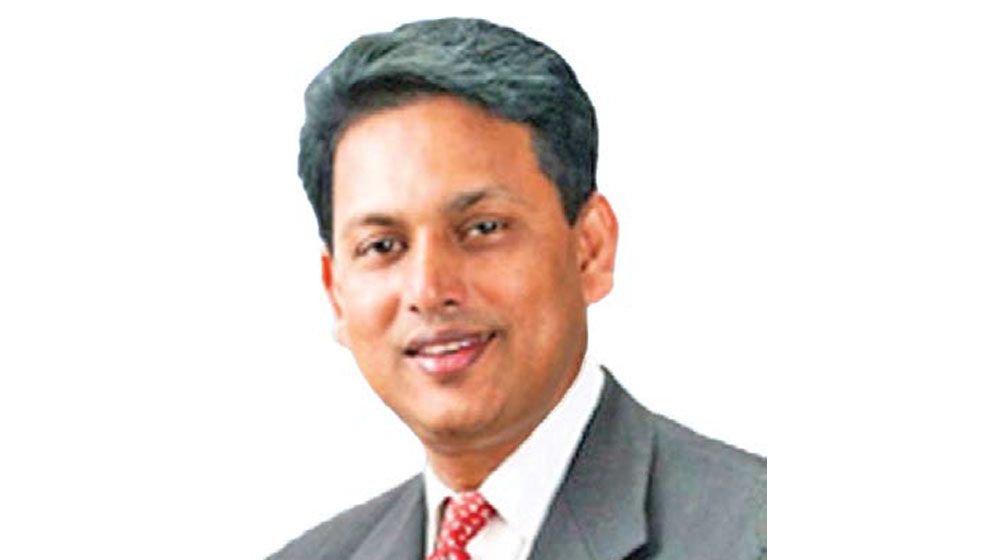
New Education Minister ANM Ehsanul Hoque Milon said on Wednesday that comprehensive reform initiatives would be undertaken to overhaul the education system in line with global standards.
“The curriculum will be reviewed, with emphasis placed on digital literacy and English proficiency, and steps will be taken to incorporate nanotechnology, artificial intelligence and robotics into education in response to the demands of the Fourth Industrial Revolution,” he added.
He made the remarks while speaking to journalists on his first working day at the secretariat.
In a message to students, the minister stressed that an outdated education system is no longer acceptable.
“As the world is now a global village, the education system must be aligned with international standards. We will work on digital transformation, technology-based skills development, and the formulation of a modern, knowledge-driven curriculum to achieve this goal,” he added.
Referring to irregularities in exams, the education minister said that cheating and question leaks would not be tolerated. “Effective measures were taken during our previous tenure to curb cheating and question leaks, and we are confident those problems will not resurface.”
He added that allegations concerning irregularities in MPO enlistment and institutional recognition would be investigated, with updates provided in due course.
On the issue of low salaries and inadequate benefits for non-government teachers, he said the government was aware of the matter and that a decision would be announced in due time.
State Minister for Education Bobby Hajjaj was also present at the event.
The minister said that globally accepted standards followed by developed nations would be applied in textbook development.
The new policy bars educational institutions from charging any re-admission fees to students already enrolled.
It further states that private educational institutions — including schools, school-and-college establishments, higher secondary colleges, and the higher secondary levels of degree colleges — may collect tuition fees only in accordance with the Tuition Fee Policy 2024.
The policy also makes it clear that no additional funds may be collected by creating new fee categories beyond those already prescribed.
According to the policy, all income and expenditure of private educational institutions must strictly comply with existing government financial rules and regulations.
It states that institutional accounts will be operated under the joint signatures of the chairperson of the governing body and the head of the institution, and that the head of the institution will be responsible for maintaining proper records of all fund transactions.