


 For all latest news, follow the Daily Sun's Google News channel.


When the mayor turns feudal lord
Daily Sun Report, Dhaka
Published: 27 Jul 2025, 10:18 AM
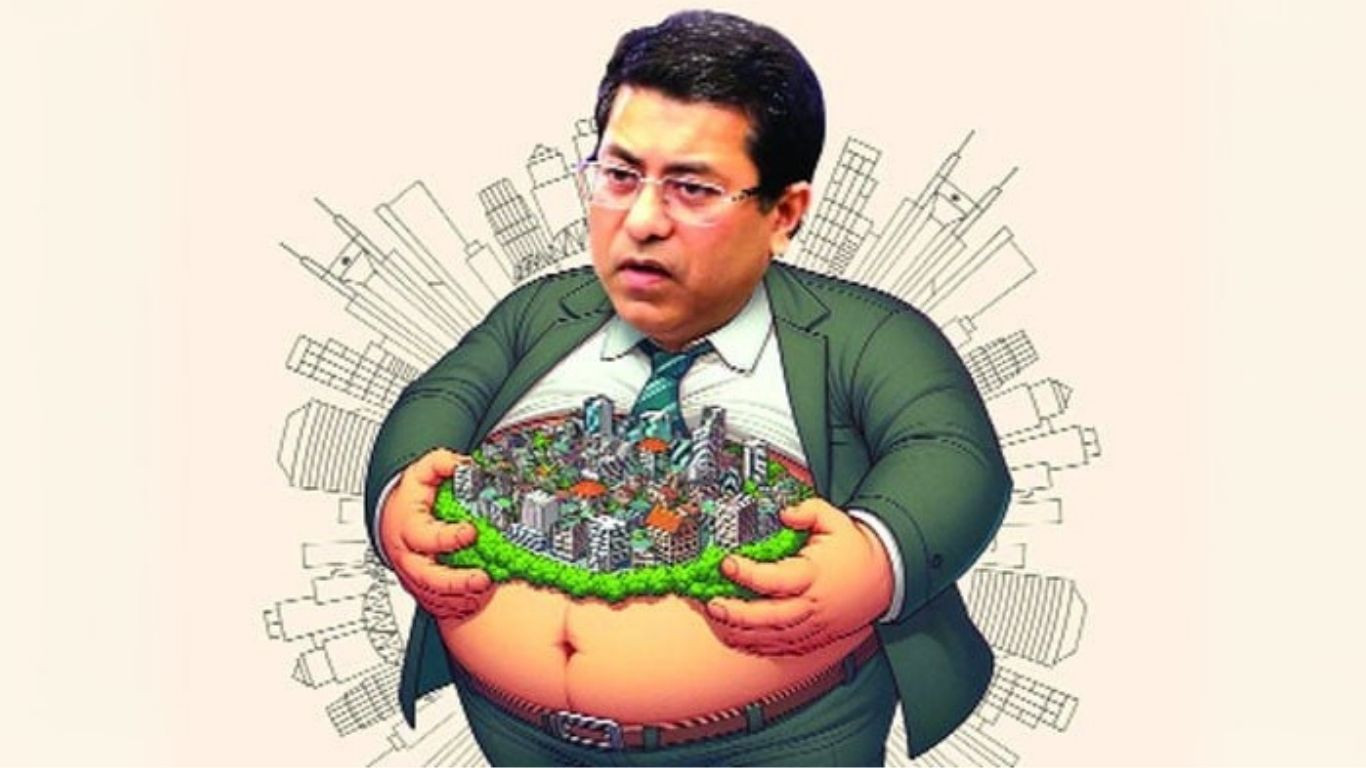
On paper, Dhaka appears to be a city of splendour, meticulously governed by its two city corporations. In reality, however, it is plagued by encroachment, pollution, and chaotic urban mismanagement. The streets are riddled with potholes in the name of development, and canals and public land have been seized to erect high-rise buildings.
Over the past decade and a half, mayors have treated Dhaka as though it were their personal estate—none more so than former Mayor of Dhaka South City Corporation (DSCC), Barrister Sheikh Fazle Noor Taposh.
Leveraging his political lineage, Taposh allegedly transformed himself from mayor into a virtual feudal lord of the capital. A car from the city corporation was reportedly allocated solely to transport his meals, while VIP protocols halted traffic during his movement across the city. Taposh is said to have run the DSCC like a family enterprise, with his relatives allegedly involved in extortion, tender manipulation, development commissions, and recruitment scams—practices that became an open secret.
Funds from taxpayers were often directed towards bizarre, experimental projects, many of which drained hundreds of crores without producing accountable results. Programmes for mosquito eradication, traffic modernisation, and beautification reportedly consumed thousands of crores, with no tangible improvements. Instead, these ventures became lucrative opportunities for the mayor and his inner circle.
Upon assuming office in 2020, Taposh declared a "zero tolerance" stance against corruption. He subsequently dismissed several officials, including the additional chief engineer and chief revenue officer. Yet, critics allege that these dismissals were more about consolidating power than combating graft. Numerous city officials were removed, reportedly to pave the way for a loyal cadre of appointees and beneficiaries.
He is also accused of cancelling many of the projects initiated by his predecessor, leaving vital market renovations incomplete and causing financial losses estimated in the thousands of crores. No decision—whether daily wage labour appointments, tenders, market allocations, or eviction drives—moved forward without his explicit approval. Even files that should have been resolved by the CEO were reportedly withheld for mayoral review.
Recruitment under Taposh was reportedly riddled with irregularities. Around 900 previously hired workers were dismissed, while approximately 400 were recruited in exchange for money—ranging from Tk1 million to Tk1.2 million per post—allegedly through his close aide, Secretary Akramuzzaman. Former chief engineer Ashiqur Rahman, acting from abroad, reportedly handled contract-related commissions.
Soon after taking office, Taposh signed an agreement with Modhumoti Bank—where he holds ownership stakes—to handle all DSCC’s financial transactions, including fixed deposits and tax payments. Funds from major development projects worth around Tk2,000 crore were reportedly channelled into the bank, raising concerns over conflict of interest.
Tenders and contracts, often awarded without competitive bidding, were reportedly handed to Awami League leaders and associates. For instance, Abu Ahmed Mannafi and Humayun Ahmed, president and general secretary of Dhaka South AL respectively, received major construction contracts. Other leaders from the ruling party’s affiliated organisations, including Jubo League and Chhatra League, were also awarded tenders—many of which resulted in substandard work or remained incomplete.
Between bribe-fuelled appointments and politically influenced hiring, the DSCC reportedly became a patronage machine. Individuals with ties to the ruling party were appointed in positions such as revenue officers, assistant health inspectors, and engineers. Several were relatives of influential figures or had close connections to Taposh’s family.
Taposh’s maternal uncles, Md Faruk and Masud Serneyabat, were said to wield unchecked influence within the corporation. Allegedly known as the "Mama Syndicate," they reportedly oversaw most tender and lease operations, and became owners of valuable properties and businesses in Dhaka, Gazipur, and Narayanganj. Complaints against them were reportedly met with intimidation, threats, and even forced removals from service.
Personal assistant Nasirul Hasan Sajib, another close associate of the former mayor, reportedly acted as the liaison for commissions in tenders and leases—allegedly taking 15% cuts from development budgets per ward. Sajib is also accused of acquiring restaurants, flats, and land with misappropriated funds, and faces allegations of money laundering to Dubai.
Even market leases and commercial allocations fell under the control of the mayor’s circle. From food courts and parks to city markets, those favoured by the mayor reportedly received leases without fair competition. In under-construction markets, about 30% of stalls were allocated under the "mayor’s quota", which largely benefited his relatives, councillors, and party loyalists.
Sources also point to how these officials, led by Taposh, travelled abroad at the expense of city funds, while DSCC markets like Zaker Super Market reportedly became centres for extortion, with electricity bills collected from shopkeepers never deposited to the city treasury.
Under the guise of development, a deeply entrenched syndicate of nepotism and corruption allegedly flourished in DSCC during Taposh’s tenure—transforming Dhaka not into a liveable capital, but a domain of unchecked exploitation.