


 For all latest news, follow the Daily Sun's Google News channel.


The Great Asian Shock
Energy Weapons, Fractured Diplomacy and $100 Oil Threshold
Special geopolitical economic report
Md Kafi Khan
Published: 08 Mar 2026, 11:34 PM

The Middle East has entered a phase of high-intensity strategic conflict that is no longer confined to military theatres. The confrontation has evolved into what analysts are calling infrastructure level warfare, targeting the energy arteries and logistics networks that sustain the global economy. For Asia the world’s largest consumer of Gulf energy the strategic turning point may have arrived. Diplomatic channels are under severe pressure. Meanwhile, markets are beginning to price a new reality: a sustained “war premium” embedded into global energy costs.
The Genesis of the Crisis
The escalation to the sixth day of
conflict reflects three decisive shifts in strategy.
1. The Command Vacuum Trigger
The February 28 strike that neutralized Iran’s senior leadership
structure produced a decentralized response pattern. Without a centralized
command hierarchy, Iranian maritime forces have reportedly shifted toward
distributed operational tactics, increasing uncertainty in shipping corridors.
2. The Maritime Blockade Response
Following the destruction of Iranian naval assets, Tehran’s strategic posture
moved toward restricting Gulf energy exports. The Strait of Hormuz through which nearly 20 million barrels of oil
transit dail has become the focal point of global risk. A prolonged disruption
could remove a significant portion of global petroleum supply from active
markets.
3. Infrastructure Targeting Phase
The conflict has expanded beyond military installations. The strike
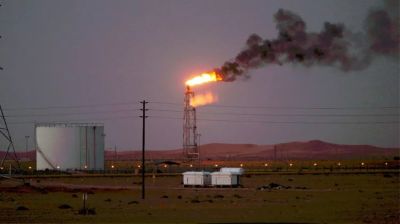
impact on Qatar’s Ras Laffan LNG complex and drone debris incidents near major
Gulf urban centers have effectively removed the perception of “neutral
commercial zones.”Economic infrastructure is now part of the strategic theatre.
Probable Economic Impact Across Asia
|
Country / Region |
Primary Vulnerability |
30–60 Day Economic Projection |
Risk Level |
|
Bangladesh |
Energy imports & remittance
dependence |
1,800MW potential power deficit; 30%
reduction in Gulf remittance inflows |
Critical |
|
China |
Industrial energy feedstock |
Manufacturing slowdown risk;
geopolitical scrutiny of Middle East trade |
High |
|
India |
Energy inflation & migrant safety |
Oil price spike near $100/bbl; Gulf
worker repatriation pressure |
High |
|
Japan & South Korea |
Strategic petroleum dependence |
Rapid reserve utilization; utility
cost escalation |
Critical |
|
Southeast Asia |
Trade logistics |
Cape-route shipping adds 20 days transit;
insurance cost surge |
Moderate |
Asia’s Strategic Vulnerability: Energy
Corridor Dependence
The Asian economic model remains heavily exposed to maritime energy
transport. If the blockade persists: Global shipping routes may shift toward African
maritime detours. Freight costs could increase by 30–50%. Marine war-risk
insurance premiums may rise sharply. Export manufacturing margins in Southeast
Asia may compress. The supply chain model that powered Asia’s export miracle is
showing structural stress under geopolitical shock.
The Diplomatic Deadlock
The UN Constraint
Global diplomatic institutions face
severe gridlock. Major powers remain divided:
- The United States views the campaign within a regime transition
security framework.
- China and Russia emphasize sovereignty and conflict
de-escalation.
- Multilateral ceasefire consensus remains distant.
The Emerging Multipolar Brokerage
China’s diplomatic engagement with Riyadh and Tehran represents a potentially critical development. If Beijing can negotiate guaranteed maritime energy flow in exchange for reduced IRGC operational escalation, a partial stabilization corridor may emerge. However, such outcomes remain uncertain.
The $100 Oil Psychological Threshold
Markets are approaching a critical
symbolic barrier. If Brent crude stabilizes above $100 per barrel:
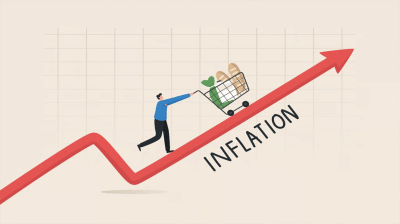
- Inflationary expectations may re-anchor upward
globally.
- Central banks may delay monetary easing cycles.
- Emerging market currency volatility could intensify.
Energy prices are no longer only
economic signals they are geopolitical indicators.
The Asian Policy Response: Fortress Economic Strategy
Several Asian governments are
reportedly evaluating defensive macroeconomic frameworks. Key components
include:
Strategic Energy Diversification
- Increasing imports from Russia, Australia, and North
American suppliers.
- Expanding LNG storage infrastructure.
Foreign Exchange Protection
- Rationing non-essential imports.
- Prioritizing fuel, food, and fertilizer payments.
Grid Resilience Investment
- Hardening national electricity systems.
- Maintaining minimum industrial continuity.
Remittance Corridor Diversification
- Expanding financial channels beyond Middle East labour
markets.
The Risk of a Permanent War Premium
The greatest long-term danger is not short-term disruption but structural
normalization of conflict risk. If maritime security cannot be guaranteed:
- Energy pricing may permanently incorporate
geopolitical risk.
- Global trade may shift toward regionalised supply
chains.
- Emerging markets could face chronic external
vulnerability

The Fortress Economy Era
Asia stands at a strategic crossroads. If the conflict resolves quickly,
markets may experience only volatility spikes. If the blockade persists beyond
several weeks, systemic macroeconomic pressure will intensify. The global
economy is entering a period where security and economics are inseparable. The
Strait of Hormuz is narrow. The consequences of its instability are not.
Risk Advisory Statement
This report is based on scenario driven geopolitical and macroeconomic analysis using publicly available intelligence sources as of March 5, 2026. Geopolitical developments are highly volatile, and projections are not guaranteed outcomes. This document is intended for strategic informational purposes only.