


 For all latest news, follow the Daily Sun's Google News channel.


Real estate sector in crisis as flat sales fall 35%
Rising living costs have reduced people's ability to save
Daily Sun Report, Dhaka
Published: 12 Nov 2026, 09:37 AM
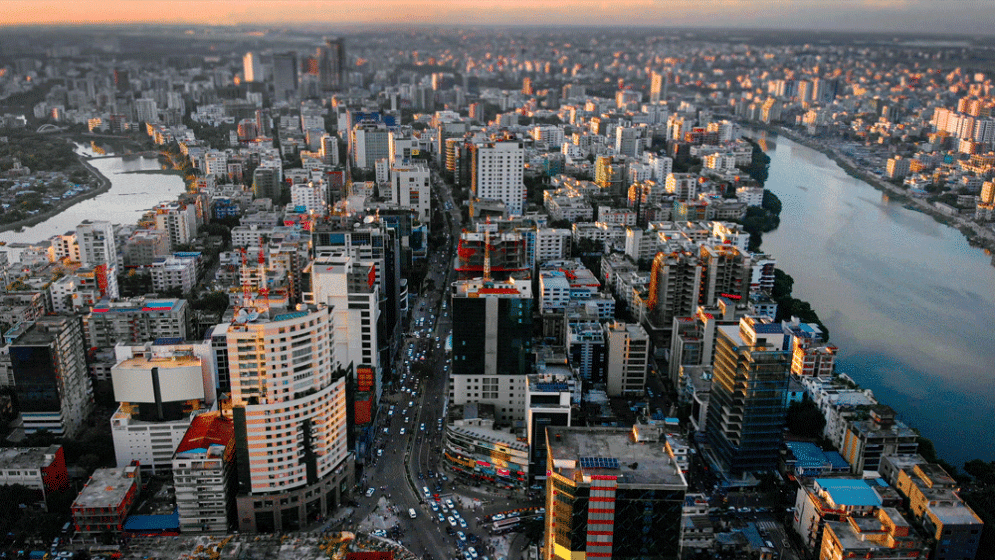
A large number of people in the capital dream of owning their own apartments. Despite the continued demand for housing, however, the country's real estate sector has been experiencing a significant downturn in recent times.
Over the past year, apartment sales and bookings have declined by around 30 to 35 per cent. As a result, not only real estate companies but also numerous construction-related industries and the livelihoods of millions of workers have come under threat.
According to industry insiders, nearly two crore people in Dhaka do not have homes of their own. Despite this enormous demand, the stagnation in apartment transactions has raised questions about the underlying causes of the slowdown.
Although reports of sharp declines in apartment and land prices have been circulating on social media, the actual market situation tells a different story. While sales have slowed, apartment prices remain high due to rising construction costs and other expenses.
Real estate entrepreneurs say several factors have contributed to the current situation. Rising living costs have reduced people's ability to save.
Many families are struggling to meet regular expenses, including food, healthcare, education and house rent. As a result, many prospective buyers who had been saving for years to purchase apartments are now abandoning or postponing their plans.
High home loan interest rates have added to the pressure. Considering the burden of monthly instalments, a section of potential buyers are reluctant to borrow large amounts of money. Meanwhile, rising construction material prices have made project implementation increasingly expensive.
According to industry estimates, construction material costs have increased by more than 31 per cent in a year. REHAB President Dr Ali Afzal, however, claims that overall construction costs have risen by around 43 per cent.
Taxes and registration expenses have also created additional pressure on the sector. The budget for the 2026-27 fiscal year has introduced a new 15 per cent capital gains tax on the government-assessed value of apartments. In addition, registration costs exceed 13 per cent of the total property value in some cases. The Real Estate and Housing Association of Bangladesh (REHAB) has been demanding reductions in these expenses.
However, there is little credible evidence to support claims of falling apartment prices. According to estimates provided by industry entrepreneurs, residential unit prices have increased by up to 40 per cent over the past three years. As land prices, labour wages, construction material costs and financing expenses have not declined, developers are unable to adjust prices despite falling sales.
Consequently, the main problem in the market has become the widening gap between buyers' purchasing power and apartment prices.
The slowdown has also affected other construction-related businesses. As many as 269 supporting industries, including rod, cement, ceramics, glass, aluminium, timber and electrical equipment, depend on the real estate sector.
According to the Bangladesh Steel Manufacturers Association, rod sales have declined by up to 45 per cent. Demand for ceramic products has fallen by 20 to 30 per cent, while sales of electrical equipment have dropped by as much as 50 per cent.
REHAB estimates that the real estate sector and its associated industries provide direct and indirect employment to around 50 lakh people. The slowdown in business activity has raised concerns about their livelihoods. Repayment of bank loans has also become increasingly difficult. A relevant report has put the defaulted loan ratio in the real estate sector at around 27 per cent.
Meanwhile, allegations of failure to hand over apartments within the stipulated timeframe and misappropriation of buyers' money have further eroded consumer confidence. Therefore, restoring market momentum will require more than just reducing loan interest rates and taxes; ensuring transparency and accountability among developers is equally important.
To overcome the crisis, REHAB Senior Vice-President Abdur Razzak has emphasised the need to develop affordable housing outside Dhaka while improving transport connectivity and civic amenities.
Economist Shahadat Hossain Siddiqui believes that a prolonged suspension of construction and sales activities would have adverse consequences for the overall economy. He stressed the need for long-term housing loans at lower interest rates and the establishment of special financing funds.
Overall, the current crisis in the real estate market is not primarily driven by falling property prices but by declining purchasing power and sluggish sales. Unless the pressure from loan interest rates, construction costs and taxes is reduced and buyers' confidence is restored, the downturn is likely to persist.