


 For all latest news, follow the Daily Sun's Google News channel.


NBR’s contradictory tax policies undercut solar expansion potentials
Daily Sun Report, Dhaka
Published: 28 Jul 2026, 05:40 PM
The
National Board of Revenue’s (NBR) contradictory policies over tax breaks targeting solar equipment dent rising hopes for a major expansion in the
renewable energy during the BNP government’s five-year tenure.
NBR has
approved zero tariffs and other taxes on some solar plant installation
equipment till June 2031, but limits the benefits to June 2028 for some key
equipment, allowing only long-term costly projects from big companies to enjoy
the benefits.
Experts
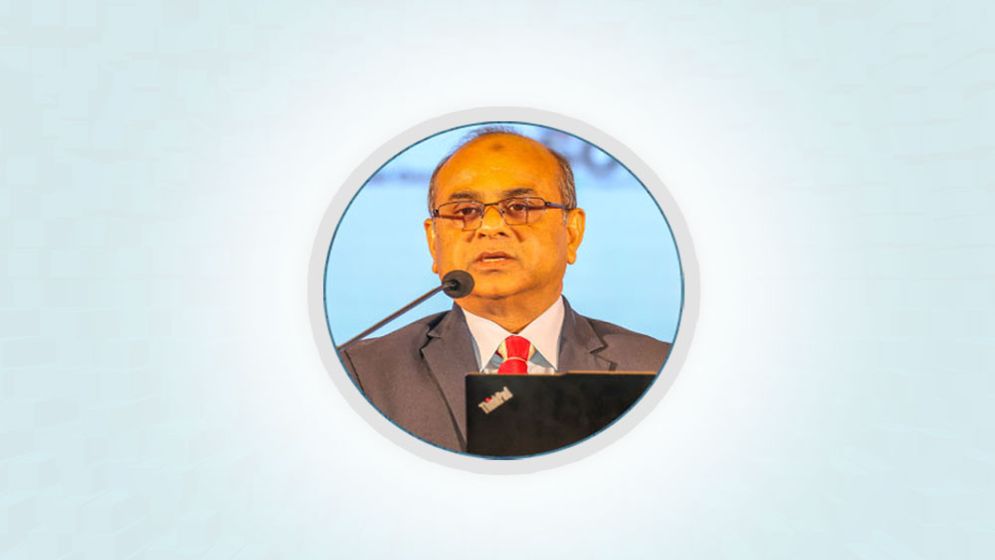
raised the concerns at a recent policy conclave organised by the Bonik Barta.
In
Bangladesh, small-scale and residential developers form the backbone of solar ecosystem
accounting for 63% of total renewable power production, and leaving them out would
crimp the government’s countrywide expansion dreams.
On 8 June, the
NBR issued a statutory order that exempts solar panels, inverters, and
batteries from duties and taxes until June 2031 but extends similar benefits
for other key equipment -- including mounting structures, controllers, DC
cables, and battery energy storage system components -- only until June 2028.
Therefore,
small scale solar projects like rooftop setups, farm irrigation and small
businesses have only two years from now to import all the necessary equipment,
reducing the appeal among investors and small developers.
Furthermore,
the policy complications would delay plant installation permits, which would
invariably inflate project budget and shrink the timespan available for completing
all the necessary imports.
According
to the government’s Sustainable and Renewable Energy Development Authority
(SREDA), a vast expanse of roofs at the tops of industrial sites, commercial
buildings, hospitals, educational institutions and residential buildings remain
largely vacant, making them ideal for hosting solar panels.
These
rooftop panels could help generate 5,000 megawatts of electricity every day, effectively
diminishing the need for a huge amount of energy import subsidies, and saving Tk4,000-Tk5,000
crores in taxpayers’ money.
The BNP
government has set a target of producing 10,000 megawatts of renewable energy
per day. With effective support, rooftop solar panels alone could generate the
desired energy.