


 For all latest news, follow the Daily Sun's Google News channel.


Postal franchise model opens new avenue for job creation
BSS, Dhaka
Published: 25 Sep 2026, 12:00 AM
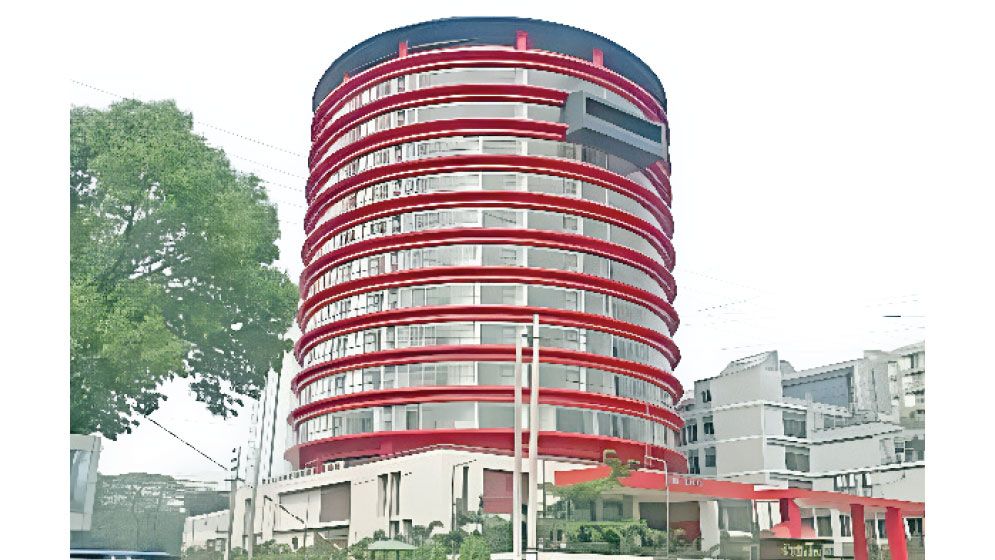
The Directorate of Posts is creating grassroots entrepreneurship and employment opportunities through its “Franchise and Letter Writer Module”, while also seeking to reduce government expenditure.
The service is initially planned for 12 areas, with operations already underway in Dhaka, Rajshahi and Khulna. It will gradually be expanded from upazila to rural areas, said Director General Kazi Asadul Islam.
Talking to BSS, he said the initiative was primarily taken to create employment opportunities in line with the current government’s election manifesto. A pilot programme will soon be launched in the hilly Bandarban region and Salla in haor-surrounded Sunamganj.
Posts, Telecommunications and Information Technology Minister Faqir Mahbub Anam inaugurated the service at Postal Bhaban on 29 July. In the first phase, eight franchise post offices — four in Dhaka and four outside the capital — have been launched.
Md Shah Alam Bhuiyan, director of the Sustainable and Modernization of Mail Processing and Logistic Services project, said the module was launched on a pilot basis under the project. Once fully implemented, it will enable young people to become grassroots entrepreneurs and create employment.
Shah Alam, also additional general manager, said 6,000 mobile sets and 500 computers had already been supplied across the country under the project, while three software systems were being developed.
Regarding the government’s 180-day action plan, Kazi Asadul Islam said the Directorate of Posts had taken up eight specific tasks in line with the election manifesto, including the launch of franchise post offices.
He said the initiatives had significantly increased the department’s capacity to transport seasonal fruits and other products. Crates weighing 20-30kg and other products are now delivered to any district within 24-48 hours, while deliveries to remote upazilas take a maximum of 72 hours. “These operations are being successfully completed without any complaints,” he said.
On parcel tracking, Shah Alam said customers previously had no way to know where their products were during transportation. Now, parcels are processed and delivered through the Domestic Mail System (DMS) using barcodes, allowing customers to track their shipments from home.
The Directorate of Posts has also taken initiatives to bring government services to people’s doorsteps, including home delivery of land deeds, passports and driving licences. Work is underway to introduce cash-on-delivery services for e-commerce products, while the Express Mail Service (EMS) allows parcels to be sent abroad at low charges.
Explaining the changes, Kazi Asadul Islam said receiving, transporting and delivering letters, express mail, parcels and packets remained the department’s core services. Other functions, including operating savings banks and savings certificates, distributing textbooks and vaccines, and selling lottery tickets and prize bonds, are agency services assigned to the department by the government.
He said the use of personal and official letters had declined as technology enabled instant communication through video calls and SMS. Government offices were also increasingly using e-files and D-nothi instead of paper documents, further reducing official correspondence.